


One of the most inspiring parts of InstructorLive has always been the people behind the workouts. While the programmes and classes provide the structure, it is the members using them every day that truly bring the platform to life. The InstructorLive community is full of real people making real progress, whether that means starting a new routine, returning to exercise after a break, or finding ways to move more regularly at home.
Every fitness journey looks a little different, and that is exactly what makes this community so special.
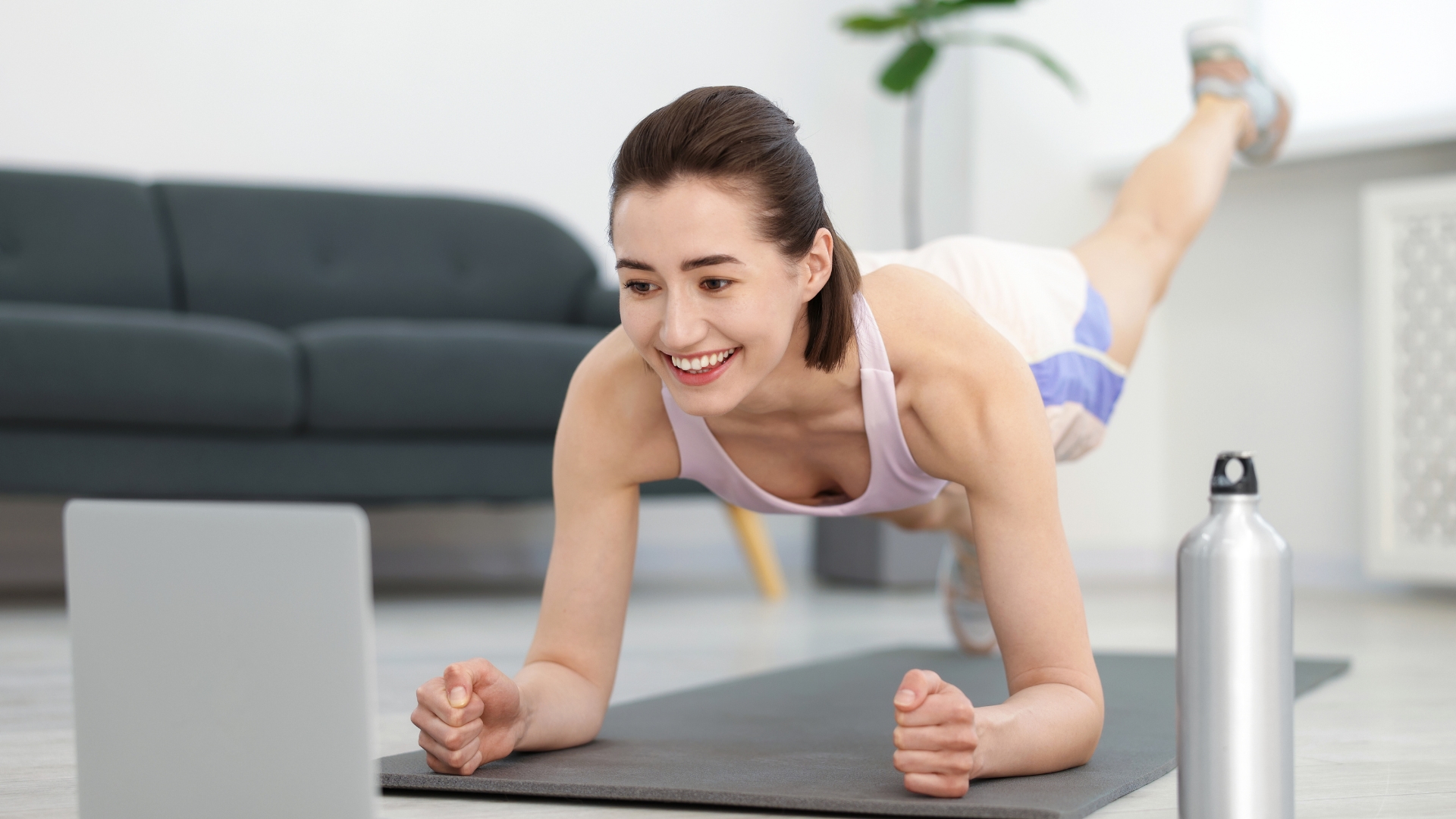
Every Fitness Journey Is Unique
For some members, the goal might be building strength and confidence. For others, it might be improving mobility, managing injuries, or maintaining a routine that supports long-term health.
In many cases, progress does not happen overnight. Instead, it often comes from small, consistent habits that build over time. A short workout in the morning, a gentle stretch in the evening, or simply showing up regularly can make a meaningful difference.
That is why InstructorLive offers such a wide variety of programmes, allowing members to find something that suits their body, their schedule, and their goals.
The Power of Staying Consistent
Of course, staying consistent with exercise can sometimes be challenging. Life gets busy, motivation can dip, and routines occasionally need adjusting.
However, many members find that once movement becomes part of their weekly rhythm, it starts to f
eel less like something they have to do and more like something they genuinely enjoy.
Whether it is a quick strength session, a calm
ing yoga flow, or a gentle Pilates class, building a routine that works for you is what truly supports long-term wellbeing.
Some Programmes Our Members Love
Across the platform, there are many programmes that have become favourites within the InstructorLive community.
For example, 20 Minute Toning has helped many members build strength with short, manageable workouts.
Meanwhile, Pilates for Lower Back Pain has supported those looking to improve mobility and strengthen their core safely.
For something a little more energetic, Dance HIIT for Beginners is a fun way to build cardio fitness while enjoying movement.
And for those who prefer slower, more mindful movement, programmes like Reset Renew Yoga offer a supportive way to improve flexibility and relaxation.
The beauty of InstructorLive is that everyone can find something that works for them.
Share Your InstructorLive Moment
Because the community behind InstructorLive is such an important part of the platform, we would love to c
elebrate the people who make it what it is.
That is why we are inviting members to send in a photo of themselves enjoying their InstructorLive routine.
Your photo might be:
finishing a workout
exercising in your living room
enjoying movement in the garden
celebrating a fitness milestone
simply taking a moment to move and feel good
We will be selecting some photos to feature on the InstructorLive website and in future newsletters.
How to Take Part
If you would like to be part of this community feature, send your photo to:
Along with your photo, feel free to include:
Your name
Your favourite InstructorLive programme
A short sentence about how InstructorLive h
as supported your fitness journey
We would love to see the many different ways our members are staying active and building routines that work for them.
Celebrating Real Progress
Ultimately, fitness is not about perfection. Instead, it is about finding ways to move that support your body and your life.
The InstructorLive community is made up of people at all stages of their fitness journey, and every step forward counts. Whether you are just getting started or have been exercising for years, your progress is worth celebrating.
We look forward to seeing your InstructorLive moments.
If you’ve recently been focusing on strength training, or perhaps you want to feel stronger and more supported in everyday life, you may be wondering how to add more protein to your day without overcomplicating things. The good news is that it doesn’t require strict diets or tracking every gram. Instead, you can add small, manageable adjustments to support your energy, recovery, and long-term health.
Protein plays an important role in helping the body repair and maintain muscle. However, many people underestimate how evenly spreading protein across the day can make a difference, especially when you are exercising regularly.

Why Protein Matters
When you complete a strength workout, whether that’s bodyweight training, dumbbells, or resistance bands, your muscles need nutrients to recover and rebuild. Protein provides the building blocks that support that process.
In addition, adequate protein intake can help:
Support muscle maintenance as we age
Improve recovery after workouts
Keep you feeling fuller for longer
Stabilise energy levels
Importantly, this does not mean dramatically increasing portion sizes. Often, it simply means being more intentional with what you are already eating.
Start with Breakfast
Breakfast is one of the most common meals where protein is missing.
Instead of relying purely on toast or cereal, you could try:
Adding Greek yoghurt alongside fruit
Including eggs, scrambled or boiled
Mixing nuts or seeds into porridge
Adding protein-rich yoghurt to smoothies
Even small additions can increase overall intake without changing your routine completely.
Balance Your Lunch
Lunchtime can easily become carb-heavy, particularly if you are busy.
To add more protein, you might:
Include chicken, tuna, tofu, or beans in salads
Add lentils or chickpeas to soups
Choose cottage cheese or hummus as a side
Build sandwiches around a clear protein source
These changes are simple, yet over time, they help create a better balance.
Think About Snacks
Snacks are another easy opportunity to support protein intake.
Instead of reaching only for quick carbohydrates, you could choose:
A handful of nuts
Greek yoghurt
Boiled eggs
Edamame
Hummus with vegetables
These options can help support energy levels and reduce afternoon crashes.
Include Protein at Dinner
Dinner is often the easiest place to focus on protein. Lean meats, fish, eggs, tofu, lentils, and beans are all accessible options.
If you are strength training through programmes such as:
Then, ensuring your evening meal contains a solid protein source can support recovery and help you feel stronger over time.
Simple Ways to Add More Protein to Your Day Without Overthinking It
The key message in Simple Ways to Add More Protein to Your Day is that consistency matters more than perfection.
You do not need to track every gram or overhaul your meals overnight. Instead, aim to:
Include a protein source at each main meal
Spread intake across the day
Make small, sustainable swaps
Over time, these small adjustments can support strength, energy, and overall well-being.
The Takeaway
Nutrition does not need to feel complicated. By making simple, realistic changes, you can support your workouts and everyday movement without pressure.
Small, consistent habits often deliver the biggest results.
If you’ve been thinking about building strength but feel unsure where to begin, you’re certainly not alone. A beginner’s guide to strength training is often exactly what people need when they want to feel stronger, more supported, and more confident in their movement without stepping into an intimidating gym environment.
Strength training at home can be simple, effective, and incredibly rewarding when approached in the right way. Most importantly, it does not need to feel overwhelming or complicated to deliver real benefits.
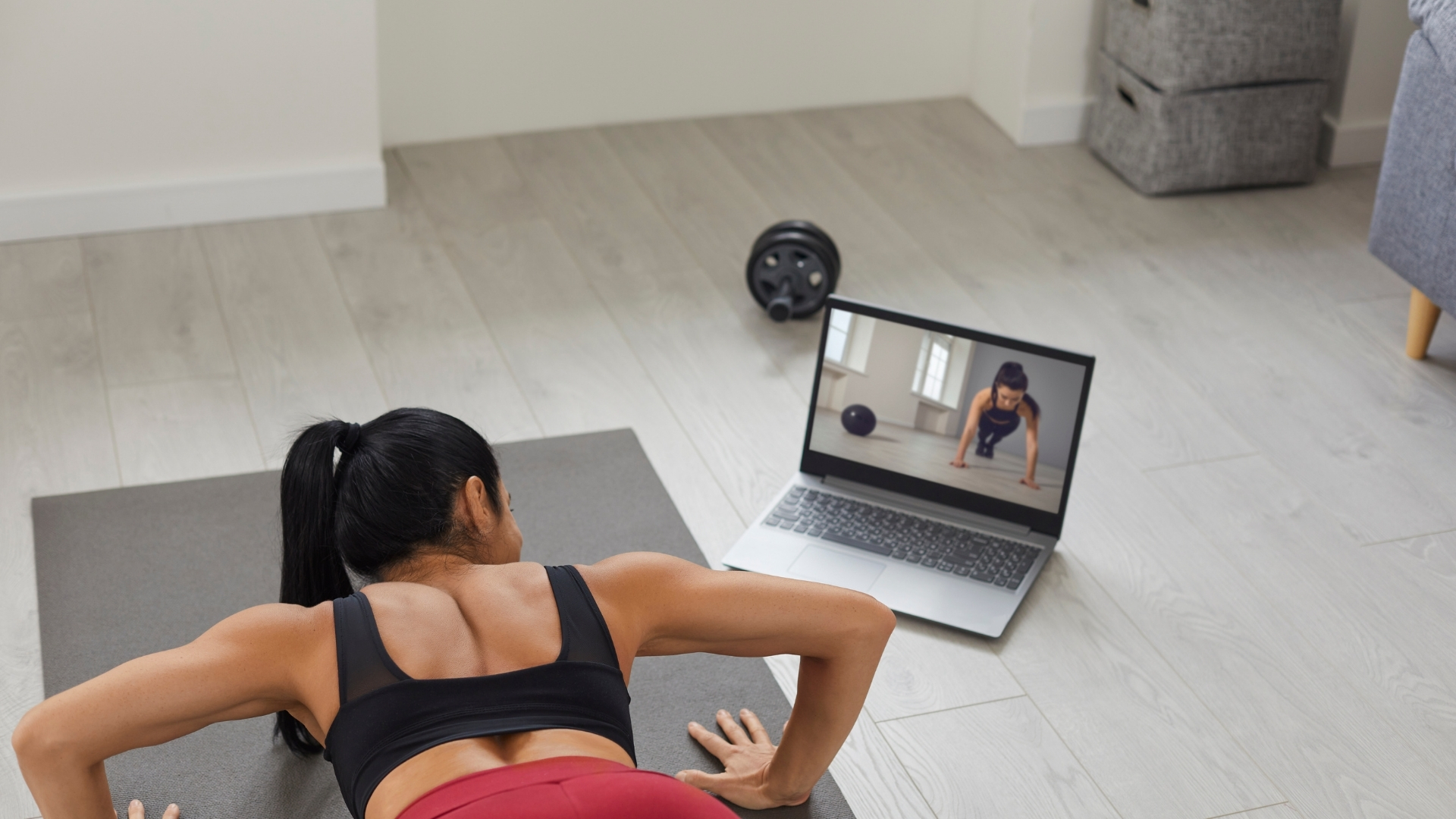
What Is Strength Training and Why Does It Matter?
Strength training means working your muscles against resistance. That resistance might come from your own bodyweight, dumbbells, resistance bands, or even slower, more controlled movement.
Over time, this type of training helps to:
Build and maintain muscle strength
Support joint stability
Improve posture and everyday movement
Boost confidence in how your body feels
Support healthy ageing
As a result, strength training is not just for athletes or gym enthusiasts. In fact, it becomes more important as we get older and want to maintain independence and resilience in daily life.
What Beginners Often Worry About
Before starting, many people share similar concerns. You might be wondering whether strength training will feel too intense, whether you need lots of equipment, or whether you need prior experience.
The good news is that none of those things are required to get started.
In reality, beginner strength work should feel controlled and manageable. You should always be able to move with good form and without sharp discomfort. In addition, starting with lighter weights or bodyweight exercises is often the smartest approach.
How Often Should You Do Strength Training?
For most beginners, two to three sessions per week is a great place to start. This gives your body time to adapt while still building consistency.
Equally important is keeping sessions realistic. Shorter workouts that you can stick with will always be more effective than longer sessions that feel difficult to maintain.
Choosing the Right Programme for Your Starting Point
One of the biggest advantages of InstructorLive is that there are strength-based programmes for different levels and needs. Here are some strong starting points depending on what you are looking for.
If you want short, manageable sessions
A bodyweight-based programme that focuses on simple, effective toning exercises that fit easily into your week.
If you’d like to introduce light weights
A great next step that builds strength using dumbbells in a controlled and accessible way.
If you want to build confidence with weights
Designed to help you feel comfortable and capable using weights while building full-body strength.
If you’re ready for functional strength work
A more progressive programme focusing on full-body strength and real-world movement patterns.
If you prefer joint-friendly strength
Ideal if you want to build strength gently while being kind to your joints.
A Beginner’s Guide to Strength Training Is About Progress, Not Pressure
Perhaps the most important thing to remember is that a beginner’s guide to strength training is not about lifting the heaviest weights or pushing to exhaustion. Instead, it is about building strength gradually, moving with control, and allowing your confidence to grow over time.
Consistency will always deliver better results than intensity alone.
The Takeaway
Strength training is one of the most valuable things you can do for your long-term health, mobility, and confidence. By starting with supportive, manageable sessions and choosing the right programme for your level, you can build a routine that truly lasts.
If you are just getting started, take it one session at a time and let progress build naturally.
Fitness that supports you at every stage of life is about more than working harder or doing what you used to do. As we get older, staying active becomes less about pushing and more about moving well, feeling strong, and staying confident in our bodies. The good news is that exercise doesn’t need to slow down with age. It simply needs to be smarter, more supportive, and better suited to where you are right now.
At InstructorLive, we’re often asked which programmes are best for older adults, or for those looking for lower-impact options. The answer is simple. It’s not about age. It’s about how you feel, what you enjoy, and what your body needs.
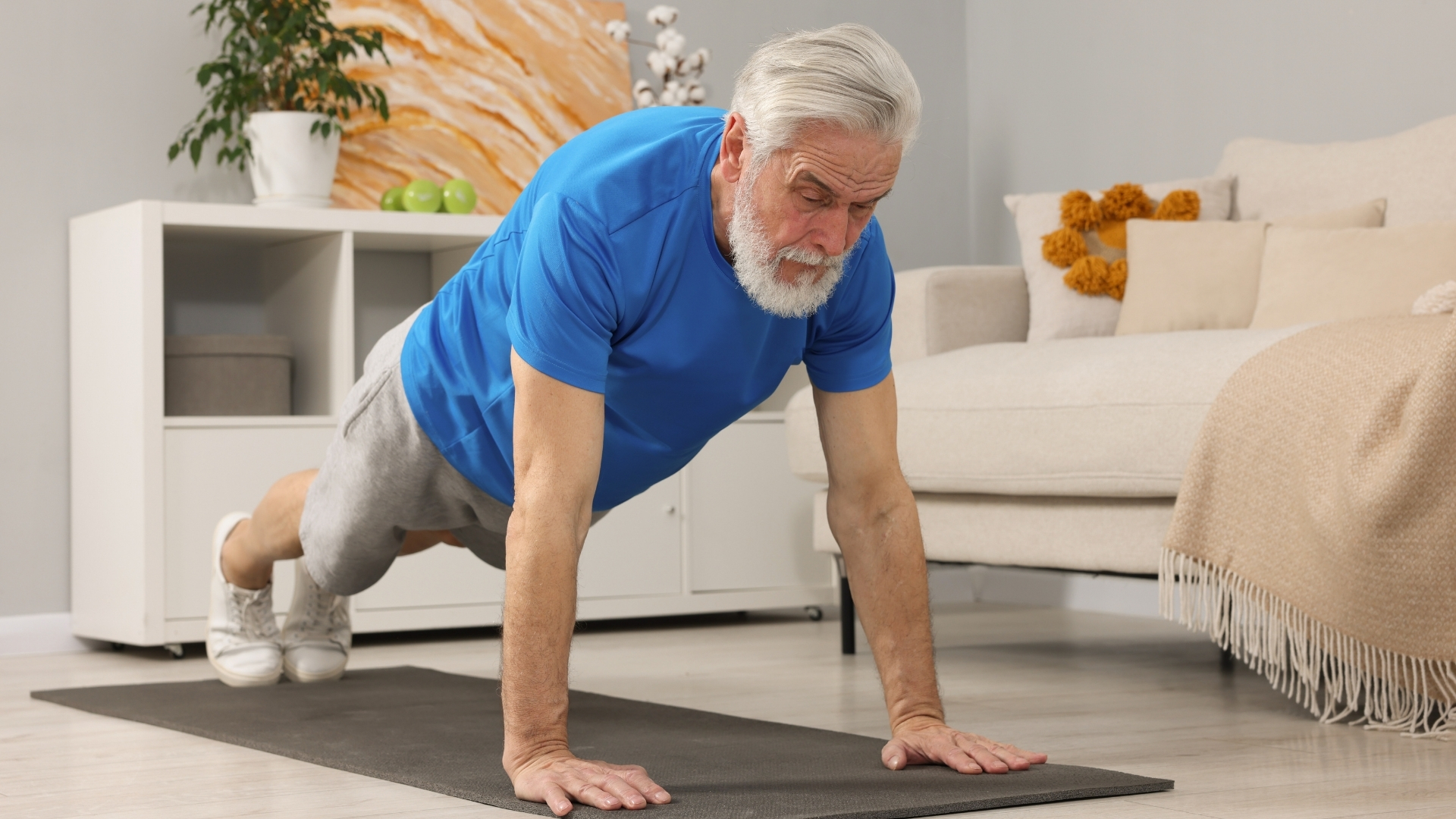
You don’t need to “take it easy”
Many people assume that once they reach a certain age, they should stop strength training or cardio altogether. In reality, strength, balance, mobility, and gentle cardio are some of the most important things we can do to stay independent, reduce aches and pains, and feel confident in everyday life.
That’s why we’ve created a range of programmes that are joint-friendly, accessible, and effective, without feeling boring or watered down.
Programmes that work particularly well
If you’re looking for a place to start, or want to support what you’re already doing, these programmes are especially popular with our older members:
A fantastic all-round option focusing on strength, balance, posture, and mobility. Ideal if you want to feel more stable and supported in daily movement.
Short, manageable sessions designed to build confidence, strength, and coordination without overloading the body.
Chair Pilates and Chair Ballet
Great if you’d like extra support or are returning to exercise after a break. These classes are gentle but still highly effective.
Perfect for keeping active while being kind to the joints. A brilliant option if high-impact workouts aren’t for you.
Accessible, easy-to-follow cardio that still delivers real benefits. Ideal if you enjoy steady movement without jumping or floor work.
Already feeling fit? You’ve got options
If you’re already active, you don’t need to limit yourself to beginner sessions. Many of our Pilates, low-impact strength, and toning programmes offer a great challenge, while still being safe and appropriate.
It’s always okay to:
Work at your own pace
Pause when needed
Choose shorter sessions
Mix gentler days with stronger ones
Consistency matters far more than intensity.
Listen to your body, not the number on the calendar
Age is just one part of the picture. How you move, how you recover, and how you feel day to day all matter just as much.
The best programme is the one you’ll enjoy, stick with, and feel good doing.
If you’re ever unsure where to start or would like help choosing the right classes for you, we’re always happy to help.
If you’re curious about Pilates but not quite sure where to start, you’re not alone. A beginner’s guide to Pilates is often exactly what people need when they want to build strength, improve mobility, or move more confidently without feeling overwhelmed.
Pilates is a low-impact form of exercise that focuses on controlled movement, posture, and core strength. It’s suitable for all ages and fitness levels, and one of its biggest strengths is how adaptable it can be to different bodies, abilities, and goals.
What Is Pilates and Why Is It So Popular?
Pilates works by strengthening the muscles that support your spine, hips, and joints. Rather than rushing through movements, sessions focus on control, alignment, and awareness.
As a result, many people find Pilates helps improve posture, balance, and flexibility, while also building strength in a way that feels supportive rather than exhausting. This makes it particularly popular for beginners, people returning to exercise, or anyone managing aches, stiffness, or injury concerns.
What to Expect as a Beginner
One of the most important things to know is that Pilates is not about pushing through pain. Movements are controlled, and you’re always encouraged to work within a range that feels comfortable for you.
As a beginner, you may notice that sessions feel slower than other workouts. That’s intentional. Pilates focuses on quality rather than quantity, which is why it
can be so effective over time.
You’ll also be guided to focus on breathing, posture, and engagement of the core muscles, all of which help support safer movement.
Choosing the Right Pilates Programme for You
One of the great things about InstructorLive is that there are Pilates programmes designed for different needs. Here are a few good places to start, depending on what you’re looking for.
If you’re completely new to Pilates
This is a great foundation programme that introduces the basics of Pilates, including core engagement, breathing, and controlled movement.
If you’re dealing with lower back pain
This programme focuses on building strength and stability around the spine in a supportive, controlled way.
If you want extra s
upport or confidence
Wall Pilates uses the wall for balance and feedback, which many beginners find reassuring and accessibl
e.
If you’re ready to add gentle resistance
Resistance bands help increase strength while still keeping movements low-impact and controlled.
If you’re looking for joint-friendly or age-supportive movement
Designed to support strength, balance, and mobility in a safe and approachable way.
If you need a more targeted approach
A focused programme designed to improve hip strength and mobility, ideal if you experience stiffness or discomfort. This programme is also recommended for people suffering from Knee pain or experiencing knee problems due to tightness in the hips.
How Often Should Beginners Do Pilates?
As a general guide, two to three sessions per week is a great place to start. Consistency matters far more than intensity.
It’s also important to allow your body time to adapt. Pilates can work muscles i
n a way that feels subtle at first, but those changes build steadily over time.
A Beginner’s Guide to Pilates Is About Progress, Not Perfection
Perhaps the most important thing to remember is that Pilates is not about doing everything perfectly. It’s about building awareness, strength, and confidence gradually.
Whether your goal is improving posture, supporting injury recovery, or simply moving more comfortably, a beginner’s guide to Pilates starts with choosing a programme that feels manageable and enjoyable.
The Takeaway
Pilates is one of the most versatile and accessible forms of exercise available. By starting gently and choosing the right programme for your needs, you can build a routine that supports your body long term.
If you’re new to Pilates or returning after a break, there’s no rush. Take things at your own pace, listen to your body, and let consistency do the work.
Learn more about the history of Pilates in this blog: Pilates for Beginners: How to Get Started and What to Expect
As many of you continue to explore the new InstructorLive platform, we wanted to invite you to rediscover Classic InstructorLive programmes that have been favourites over the years and are now available again on the new site.
Sometimes, when motivation dips or routine feels a little off, returning to a programme you already know and trust can be exactly what helps you get moving again. Rather than starting from scratch, familiarity often makes things feel easier, more comfortable, and far more achievable.

Why Familiar Programmes Can Help Rebuild Routine
It’s easy to assume progress only comes from trying something new. However, very often, the opposite is true. Familiar programmes remove uncertainty. You already know the style, the pace, and how the sessions fit into your week.
As a result, pressing play becomes simpler. There’s less decision-making and less pressure, which can make a big difference when energy levels are low or time feels limited. This is why classic programmes are often the ones people return to again and again.
Five Classic InstructorLive Programmes to Rediscover
To help you get started, here are five classic InstructorLive programmes that have made their way back onto the new platform. Each offers something slightly different, depending on what you need right now.
La Bomba
A high-energy Latin dance fitness programme focused on enjoyment, rhythm, and cardio fitness. It’s ideal if you want something uplifting that doesn’t feel like a traditional workout.
Posture Clinic: Perfect Posture
A longer format programme designed to improve alignment, spinal strength, and everyday movement habits. Particularly helpful if you spend long periods sitting or experience stiffness and discomfort.
👉 Try Posture Clinic: Perfect Posture
Dance HIIT for Beginners
A beginner-friendly blend of simple dance routines and interval training, designed to build cardio fitness and confidence without feeling overwhelming.
👉 Try Dance HIIT For Beginners
Mum On A Mission
A comprehensive programme supporting mums with progressive strength, cardio, and routine-building workouts that fit around busy lives.
HIIT: The Promise
A high-energy HIIT programme combining cardio and strength to improve endurance, conditioning, and overall fitness.
Rediscover Classic InstructorLive Programmes for a Reason
There’s a reason these programmes have stood the test of time. They’re supportive, effective, and designed to fit into real life rather than demand perfection.
Whether you’re drawn to dance-based cardio, posture and mobility work, or structured strength and HIIT sessions, choosing to rediscover Classic InstructorLive programmes can be a simple way to rebuild momentum without pressure.
Letting Your Feedback Shape What Comes Next
Over the last few weeks, many of you have taken part in our quick questions, and your responses have been incredibly valuable. You’ve told us that low energy and lack of time are common barriers, while short workouts, simple plans, and strength or Pilates-based sessions help you stay consistent.
That feedback actively shapes what we create next, ensuring future programmes reflect what you actually need.
The Takeaway
Returning to something familiar doesn’t mean you’re standing still. In many cases, it’s the smartest way to keep moving forward.
So, if you’ve been feeling unsure where to start on the new platform, now is the perfect time to rediscover Classic InstructorLive programmes and choose something that supports you right where you are.
Head to Programmes to rediscover more of your favourite InstructorLive Workouts
Check out our YouTube channel for more inspiration
If you’re exercising at home regularly but finding that sessions feel a little frustrating, then trust me, you’re not alone. Many people reach a point where motivation dips, or distractions creep in. That’s exactly why these 5 tips to improve your home workouts focus on small, realistic adjustments that make sessions feel smoother, more enjoyable, and easier to stick with long term.

1. Set Up Your Space Before You Press Play
One of the biggest barriers to a good home workout is being disrupted, especially when you’re just getting started. Before you start, take an extra minute to set yourself up.
Clear a small area, position your screen so you can see it easily, and gather any necessary items, such as water, a mat, or weights. This simple step removes friction and helps you stay focused once the workout begins.
Even a small, well-prepared space can make a big difference to how enjoyable your session feels.
2. Adjust the Workout to Suit Your Body
Home workouts should work for you, not the other way around. If there’s an exercise you dislike, find uncomfortable, or struggle with, it’s absolutely fine to swap it.
Low-impact alternatives, slower pacing, or different movements that work the same muscle groups all still count. What matters most is staying engaged and consistent.
Adapting a workout so it suits your body will always be more effective than forcing yourself through something you dread. Send us a message to support@instructorlive.com, and we can give you some expert advice on what changes or adaptations you can make.
3. Focus on Effort, Not Perfection
It’s easy to feel like a workout only counts if you complete every move exactly as shown. In reality, effort matters far more than perfection.
Some days you’ll feel strong and energised, and on other days, just showing up is a win. Both are valuable.
Let go of the idea that every session needs to be your best. Consistency over time is what delivers results.
4. Reduce Distractions Where You Can
Technology, notifications, and household interruptions can quickly break your flow. Where possible, put your phone on silent, let others know you’re taking a short break, and adjust screen or sleep settings so your workout isn’t interrupted.
You don’t need a perfect environment, but reducing distractions where you can helps workouts feel more intentional and less frustrating.
5. Choose Workouts That Match Your Energy
Not every day calls for the same type of movement. Some days you might feel ready for strength or cardio. Other days, mobility, Pilates, or stretching may be exactly what you need.
Listening to your energy levels and choosing workouts accordingly helps you stay consistent long term. Movement should support you, not drain you.
Explore our categories here:
The Takeaway
Ultimately, following these 5 tips to improve your home workouts isn’t about pushing harder or doing more. Instead, it’s about gradually removing unnecessary barriers and, as a result, making movement fit your body, your space, and your lifestyle. In turn, when workouts feel easier to start and less overwhelming, they are far more likely to become a consistent and sustainable part of your routine.
A workout that fits your body, your space, and your lifestyle is far more likely to happen again tomorrow. And that’s where real progress is made.
For more workouts, follow us on YouTube
When motivation drops in January, it can be easy to assume something has gone wrong. The New Year often begins with a burst of enthusiasm, big intentions, and positive plans. However, as routines return and winter energy levels remain low, that initial motivation can fade faster than expected. The good news is that this dip is completely normal, and more importantly, it doesn’t mean you’ve failed or fallen off track.

Why January Motivation Often Fades
There are a few key reasons why motivation tends to dip around this time of year.
Firstly, January comes with a lot of pressure. We’re surrounded by messages telling us to do more, change faster, and be better immediately. Over time, that pressure
can become exhausting rather than motivating.
Secondly, winter plays a role. Dark mornings, cold weather, and lower energy levels can naturally make movement feel harder. As a result, even routines that felt manageable in the first week can suddenly feel like a struggle.
Finally, motivation itself is unreliable. It comes and goes. Relying on it alone often leads to frustration when it inevitably dips.
Motivation Isn’t the Problem, Expectations Are
One of the biggest misconceptions around fitness is that you need to feel motivated all the time. In reality, consistency rarely comes from motivation. It comes from habits that are flexible enough to fit around real life.
When expectations are too high, people often feel like they’ve failed as soon as they miss a workout or lose momentum. However, missing a session does not undo your progress. It simply means you are human.
Lowering the bar slightly and allowing yourself to show up imperfectly is often what helps routines last longer.
What to Do When Motivation Is Low
Instead of forcing yourself to push harder, this is a great moment to adjust your approach.
Start by doing less rather than more. Shorter workouts, gentler movement, or even a simple stretch session still count. Movement does not have to be intense to be effective.
It can also help to shift focus away from results and back to how movement makes you feel. Improving energy, mood, and confidence are just as important as physical changes.
Most importantly, permit yourself to keep going without needing to restart or begin again.
Why Gentle Movement Often Works Better in January
This is exactly why low-impact workouts, Pilates, yoga, and mobility-focused sessions can be so effective at this time of year. They support the body without overwhelming it and help rebuild routine in a way that feels achievable.
When movement feels manageable, you’re far more likely to return to it. Over time, that consistency adds up far more than short bursts of intense effort followed by long breaks.
Join the New Year New You Challenge to ease your way back into fitness in 2026.
You Haven’t Failed, You’re Just Finding Your Rhythm
If January hasn’t gone exactly to plan so far, that’s okay. You don’t need to start again. You simply need to keep moving forward, even if the steps are small.
Motivation will come and go. However, building a routine that supports you through those quieter moments is what truly makes the difference.
At InstructorLive, we’re here to support you through every phase, whether you’re feeling energised or just doing your best to show up.
