


If you’re curious about Pilates but not quite sure where to start, you’re not alone. A beginner’s guide to Pilates is often exactly what people need when they want to build strength, improve mobility, or move more confidently without feeling overwhelmed.
Pilates is a low-impact form of exercise that focuses on controlled movement, posture, and core strength. It’s suitable for all ages and fitness levels, and one of its biggest strengths is how adaptable it can be to different bodies, abilities, and goals.
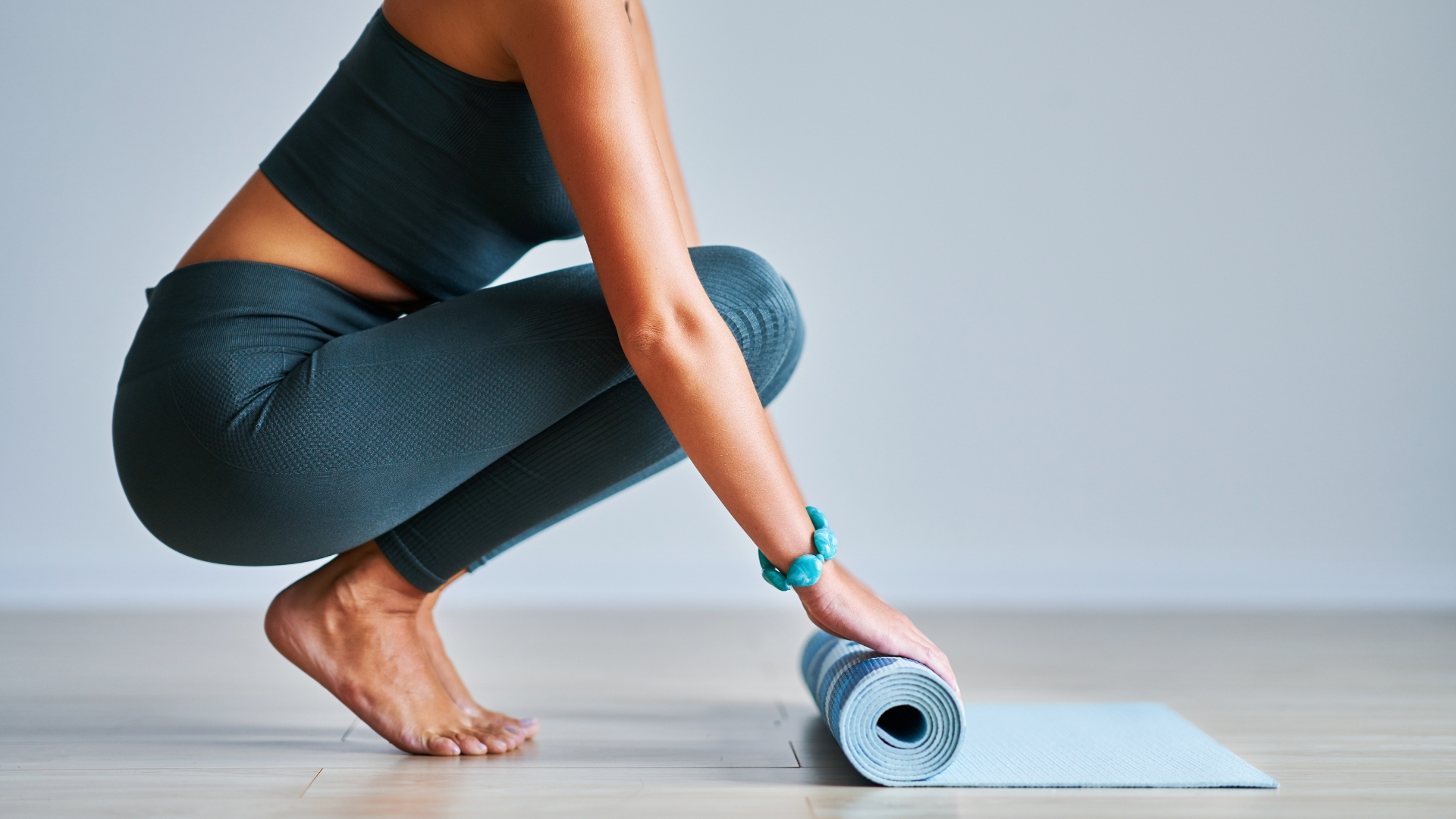
What Is Pilates and Why Is It So Popular?
Pilates works by strengthening the muscles that support your spine, hips, and joints. Rather than rushing through movements, sessions focus on control, alignment, and awareness.
As a result, many people find Pilates helps improve posture, balance, and flexibility, while also building strength in a way that feels supportive rather than exhausting. This makes it particularly popular for beginners, people returning to exercise, or anyone managing aches, stiffness, or injury concerns.
What to Expect as a Beginner
One of the most important things to know is that Pilates is not about pushing through pain. Movements are controlled, and you’re always encouraged to work within a range that feels comfortable for you.
As a beginner, you may notice that sessions feel slower than other workouts. That’s intentional. Pilates focuses on quality rather than quantity, which is why it can be so effective over time.
You’ll also be guided to focus on breathing, posture, and engagement of the core muscles, all of which help support safer movement.
Choosing the Right Pilates Programme for You
One of the great things about InstructorLive is that there are Pilates programmes designed for different needs. Here are a few good places to start, depending on what you’re looking for.
If you’re completely new to Pilates
This is a great foundation programme that introduces the basics of Pilates, including core engagement, breathing, and controlled movement.
If you’re dealing with lower back pain
This programme focuses on building strength and stability around the spine in a supportive, controlled way.
If you want extra support or confidence
Wall Pilates uses the wall for balance and feedback, which many beginners find reassuring and accessible.
If you’re ready to add gentle resistance
Resistance bands help increase strength while still keeping movements low-impact and controlled.
If you’re looking for joint-friendly or age-supportive movement
Designed to support strength, balance, and mobility in a safe and approachable way.
If you need a more targeted approach
A focused programme designed to improve hip strength and mobility, ideal if you experience stiffness or discomfort. This programme is also recommended for people suffering from Knee pain or experiencing knee problems due to tightness in the hips.
How Often Should Beginners Do Pilates?
As a general guide, two to three sessions per week is a great place to start. Consistency matters far more than intensity.
It’s also important to allow your body time to adapt. Pilates can work muscles in a way that feels subtle at first, but those changes build steadily over time.
A Beginner’s Guide to Pilates Is About Progress, Not Perfection
Perhaps the most important thing to remember is that Pilates is not about doing everything perfectly. It’s about building awareness, strength, and confidence gradually.
Whether your goal is improving posture, supporting injury recovery, or simply moving more comfortably, a beginner’s guide to Pilates starts with choosing a programme that feels manageable and enjoyable.
The Takeaway
Pilates is one of the most versatile and accessible forms of exercise available. By starting gently and choosing the right programme for your needs, you can build a routine that supports your body long term.
If you’re new to Pilates or returning after a break, there’s no rush. Take things at your own pace, listen to your body, and let consistency do the work.
Learn more about the history of Pilates in this blog: Pilates for Beginners: How to Get Started and What to Expect
As many of you continue to explore the new InstructorLive platform, we wanted to invite you to rediscover Classic InstructorLive programmes that have been favourites over the years and are now available again on the new site.
Sometimes, when motivation dips or routine feels a little off, returning to a programme you already know and trust can be exactly what helps you get moving again. Rather than starting from scratch, familiarity often makes things feel easier, more comfortable, and far more achievable.

Why Familiar Programmes Can Help Rebuild Routine
It’s easy to assume progress only comes from trying something new. However, very often, the opposite is true. Familiar programmes remove uncertainty. You already know the style, the pace, and how the sessions fit into your week.
As a result, pressing play becomes simpler. There’s less decision-making and less pressure, which can make a big difference when energy levels are low or time feels limited. This is why classic programmes are often the ones people return to again and again.
Five Classic InstructorLive Programmes to Rediscover
To help you get started, here are five classic InstructorLive programmes that have made their way back onto the new platform. Each offers something slightly different, depending on what you need right now.
La Bomba
A high-energy Latin dance fitness programme focused on enjoyment, rhythm, and cardio fitness. It’s ideal if you want something uplifting that doesn’t feel like a traditional workout.
Posture Clinic: Perfect Posture
A longer format programme designed to improve alignment, spinal strength, and everyday movement habits. Particularly helpful if you spend long periods sitting or experience stiffness and discomfort.
👉 Try Posture Clinic: Perfect Posture
Dance HIIT for Beginners
A beginner-friendly blend of simple dance routines and interval training, designed to build cardio fitness and confidence without feeling overwhelming.
👉 Try Dance HIIT For Beginners
Mum On A Mission
A comprehensive programme supporting mums with progressive strength, cardio, and routine-building workouts that fit around busy lives.
HIIT: The Promise
A high-energy HIIT programme combining cardio and strength to improve endurance, conditioning, and overall fitness.
Rediscover Classic InstructorLive Programmes for a Reason
There’s a reason these programmes have stood the test of time. They’re supportive, effective, and designed to fit into real life rather than demand perfection.
Whether you’re drawn to dance-based cardio, posture and mobility work, or structured strength and HIIT sessions, choosing to rediscover Classic InstructorLive programmes can be a simple way to rebuild momentum without pressure.
Letting Your Feedback Shape What Comes Next
Over the last few weeks, many of you have taken part in our quick questions, and your responses have been incredibly valuable. You’ve told us that low energy and lack of time are common barriers, while short workouts, simple plans, and strength or Pilates-based sessions help you stay consistent.
That feedback actively shapes what we create next, ensuring future programmes reflect what you actually need.
The Takeaway
Returning to something familiar doesn’t mean you’re standing still. In many cases, it’s the smartest way to keep moving forward.
So, if you’ve been feeling unsure where to start on the new platform, now is the perfect time to rediscover Classic InstructorLive programmes and choose something that supports you right where you are.
Head to Programmes to rediscover more of your favourite InstructorLive Workouts
Check out our YouTube channel for more inspiration
If you’re exercising at home regularly but finding that sessions feel a little frustrating, then trust me, you’re not alone. Many people reach a point where motivation dips, or distractions creep in. That’s exactly why these 5 tips to improve your home workouts focus on small, realistic adjustments that make sessions feel smoother, more enjoyable, and easier to stick with long term.

1. Set Up Your Space Before You Press Play
One of the biggest barriers to a good home workout is being disrupted, especially when you’re just getting started. Before you start, take an extra minute to set yourself up.
Clear a small area, position your screen so you can see it easily, and gather any necessary items, such as water, a mat, or weights. This simple step removes friction and helps you stay focused once the workout begins.
Even a small, well-prepared space can make a big difference to how enjoyable your session feels.
2. Adjust the Workout to Suit Your Body
Home workouts should work for you, not the other way around. If there’s an exercise you dislike, find uncomfortable, or struggle with, it’s absolutely fine to swap it.
Low-impact alternatives, slower pacing, or different movements that work the same muscle groups all still count. What matters most is staying engaged and consistent.
Adapting a workout so it suits your body will always be more effective than forcing yourself through something you dread. Send us a message to support@instructorlive.com, and we can give you some expert advice on what changes or adaptations you can make.
3. Focus on Effort, Not Perfection
It’s easy to feel like a workout only counts if you complete every move exactly as shown. In reality, effort matters far more than perfection.
Some days you’ll feel strong and energised, and on other days, just showing up is a win. Both are valuable.
Let go of the idea that every session needs to be your best. Consistency over time is what delivers results.
4. Reduce Distractions Where You Can
Technology, notifications, and household interruptions can quickly break your flow. Where possible, put your phone on silent, let others know you’re taking a short break, and adjust screen or sleep settings so your workout isn’t interrupted.
You don’t need a perfect environment, but reducing distractions where you can helps workouts feel more intentional and less frustrating.
5. Choose Workouts That Match Your Energy
Not every day calls for the same type of movement. Some days you might feel ready for strength or cardio. Other days, mobility, Pilates, or stretching may be exactly what you need.
Listening to your energy levels and choosing workouts accordingly helps you stay consistent long term. Movement should support you, not drain you.
Explore our categories here:
The Takeaway
Ultimately, following these 5 tips to improve your home workouts isn’t about pushing harder or doing more. Instead, it’s about gradually removing unnecessary barriers and, as a result, making movement fit your body, your space, and your lifestyle. In turn, when workouts feel easier to start and less overwhelming, they are far more likely to become a consistent and sustainable part of your routine.
A workout that fits your body, your space, and your lifestyle is far more likely to happen again tomorrow. And that’s where real progress is made.
For more workouts, follow us on YouTube
When motivation drops in January, it can be easy to assume something has gone wrong. The New Year often begins with a burst of enthusiasm, big intentions, and positive plans. However, as routines return and winter energy levels remain low, that initial motivation can fade faster than expected. The good news is that this dip is completely normal, and more importantly, it doesn’t mean you’ve failed or fallen off track.

Why January Motivation Often Fades
There are a few key reasons why motivation tends to dip around this time of year.
Firstly, January comes with a lot of pressure. We’re surrounded by messages telling us to do more, change faster, and be better immediately. Over time, that pressure can become exhausting rather than motivating.
Secondly, winter plays a role. Dark mornings, cold weather, and lower energy levels can naturally make movement feel harder. As a result, even routines that felt manageable in the first week can suddenly feel like a struggle.
Finally, motivation itself is unreliable. It comes and goes. Relying on it alone often leads to frustration when it inevitably dips.
Motivation Isn’t the Problem, Expectations Are
One of the biggest misconceptions around fitness is that you need to feel motivated all the time. In reality, consistency rarely comes from motivation. It comes from habits that are flexible enough to fit around real life.
When expectations are too high, people often feel like they’ve failed as soon as they miss a workout or lose momentum. However, missing a session does not undo your progress. It simply means you are human.
Lowering the bar slightly and allowing yourself to show up imperfectly is often what helps routines last longer.
What to Do When Motivation Is Low
Instead of forcing yourself to push harder, this is a great moment to adjust your approach.
Start by doing less rather than more. Shorter workouts, gentler movement, or even a simple stretch session still count. Movement does not have to be intense to be effective.
It can also help to shift focus away from results and back to how movement makes you feel. Improving energy, mood, and confidence are just as important as physical changes.
Most importantly, permit yourself to keep going without needing to restart or begin again.
Why Gentle Movement Often Works Better in January
This is exactly why low-impact workouts, Pilates, yoga, and mobility-focused sessions can be so effective at this time of year. They support the body without overwhelming it and help rebuild routine in a way that feels achievable.
When movement feels manageable, you’re far more likely to return to it. Over time, that consistency adds up far more than short bursts of intense effort followed by long breaks.
Join the New Year New You Challenge to ease your way back into fitness in 2026.
You Haven’t Failed, You’re Just Finding Your Rhythm
If January hasn’t gone exactly to plan so far, that’s okay. You don’t need to start again. You simply need to keep moving forward, even if the steps are small.
Motivation will come and go. However, building a routine that supports you through those quieter moments is what truly makes the difference.
At InstructorLive, we’re here to support you through every phase, whether you’re feeling energised or just doing your best to show up.
January often arrives with big expectations. Suddenly we’re encouraged to change everything at once, overhaul routines, and hit the ground running. However, taking a January Reset for Body and Mind can be a far more effective and sustainable way to begin the year. Instead of pushing harder, this approach focuses on easing in gently, listening to your body, and building habits that support both physical and mental well-being over time.

Why a Gentle Start to January Works
After the festive period, it’s completely normal to feel a little slower, less motivated, or out of routine. Rather than seeing that as a problem, it can actually be an opportunity.
Taking a softer approach in early January allows your body to recover, your energy levels to stabilise, and your mindset to reset. As a result, the changes you do make are far more likely to stick.
This is exactly why we always encourage progress over pressure at InstructorLive.
Exploring Dry January Without the All or Nothing Mindset
One of the topics we’re revisiting this week is Dry January, and what taking a break from alcohol can do for your body.
Carlie previously shared a brilliant blog exploring the potential benefits, from improved sleep and digestion to better energy and focus. Even a short break can help you tune into how your body responds, and for many people, it becomes a useful reset rather than a strict rule.
Importantly, this is not about restriction. Instead, it’s about awareness, balance, and making choices that support how you want to feel.
If Dry January feels right for you this year, great. And if not, that’s absolutely fine too.
Beginners Pilates Is Back by Popular Demand
We’re also very excited to share that Beginners Pilates is now back on the new InstructorLive site.
Pilates is a fantastic option in January because it focuses on core strength, posture, control, and mobility, all while being low impact and accessible. It’s especially helpful if you’re returning to movement after a break or simply want something that feels supportive and effective without being overwhelming.
Beginners Pilates is a great reminder that slower, more intentional movement can still deliver powerful results.
Supporting Your Body Beyond Workouts
January self care is not just about exercise. It’s also about how you look after your body day to day.
That’s why we’re also resharing one of our much loved winter wellness blogs on how to banish dry skin during the colder months. From hydration and nutrition to simple daily habits, it’s a helpful reminder that small changes can make a big difference to how you feel.
Looking after your skin, sleep, and stress levels all play a role in overall wellbeing, especially at this time of year.
If You’re Ready for a Little More Structure
If, on the other hand, you’re feeling ready for something a little more structured, our New Year New You Workout Challenge with Carlie Milner is a great option.
The programme is designed to rebuild routine, strength, and confidence without extremes. It follows a clear four week structure, includes a mix of strength, cardio, circuit training, and stretch, and supports you in creating habits that last beyond January.
You can even try class one for free on YouTube, which focuses on strength and mobility and is a great way to ease back into movement.
January Does Not Have to Be Perfect
Ultimately, January is not about doing everything right. It’s about finding your rhythm again.
Whether that looks like trying Dry January, easing into Pilates, focusing on skin care and rest, or committing to a structured programme, every small step counts.
So be kind to yourself, move in ways that feel good, and remember that consistency always matters more than intensity.
We’re here to support you every step of the way.
Start the New Year New You Challenge here
The start of a new year often brings a fresh sense of motivation. However, it can also come with pressure to do more, be more, and change everything overnight. That’s exactly why the New Year, New You Workout Challenge has been created.
Led by Carlie Milner, this programme is all about building strength, confidence, and consistency in a way that feels achievable, supportive, and sustainable. In other words, it’s not about perfection. It’s about showing up.
Whether you’re returning to fitness after a break or simply looking for a structured reset, this challenge meets you exactly where you are.

What Is the New Year, New You Workout Challenge?
At its core, this programme is designed to help you move more, feel stronger, and rebuild routine after the festive period without extremes or burnout.
Rather than jumping straight into intense training, the challenge focuses on gradually rebuilding fitness, improving strength and mobility, boosting energy levels, and creating habits that actually last beyond January.
As a result, you’re not just getting fitter for the new year. You’re setting yourself up for long-term success.
Why This Programme Works
So often, New Year fitness plans try to do too much, too soon. However, this challenge takes a smarter approach.
Each workout has been carefully structured to feel accessible for different fitness levels, progressive so you build week by week, and efficient so sessions fit into real life.
Meanwhile, Carlie’s coaching style keeps you motivated, supported, and encouraged without shouting, pressure, or unrealistic expectations.
Who Is This Challenge For?
This programme is ideal if you are getting back into fitness after a break, want structure without rigidity, are short on time but still want results, or are ready to feel stronger rather than punished.
In addition, it’s perfect if you’re looking for a reset that feels positive rather than overwhelming.
A More Balanced Way to Start the Year
Importantly, New Year, New You isn’t about becoming a new person. Instead, it’s about reconnecting with the version of you that feels strong, capable, and energised.
By focusing on consistency, realistic movement, and progress over perfection, this challenge supports both your physical and mental well-being, which ultimately is what makes results stick.
How the New Year, New You Programme Is Structured
One of the reasons this challenge works so well is its simple, repeatable structure. The programme includes 8 classes in total, designed to be followed over 4 weeks.
For the first two weeks, you complete the first 4 classes, allowing your body time to adapt, build confidence, and establish a routine. Then, for weeks three and four, you move on to the second set of 4 classes, which build naturally on what you’ve already learned.
This approach keeps things familiar while still encouraging progress, which makes consistency much easier to maintain.
Here’s how the classes are broken down.
Class 1 Strength and Mobility
This class focuses on building strength while improving joint mobility. It’s ideal for easing back into movement, supporting everyday function, and helping your body feel strong and capable from the very start.
Class 2 Cardio
A feel-good cardio session designed to raise your heart rate, boost energy levels, and improve endurance. It’s challenging without being overwhelming and helps you feel energised rather than exhausted.
Class 3 Circuit Training
This class brings everything together with a circuit-style workout that improves overall fitness, strength, and stamina. It’s efficient, engaging, and perfect for those who enjoy variety within their sessions.
Class 4 Stretch
Stretch and recovery are just as important as training. This class helps release tension, improve flexibility, and support recovery, leaving you feeling relaxed, reset, and ready for the next session.
By repeating these four classes across the first half of the programme and then progressing through the second set, you give your body time to learn, adapt, and improve without rushing the process.
It’s a structured and supportive programme that’s been designed to help you feel stronger every week that passes.
Ready to Get Started?
If you’re looking for a supportive, motivating way to begin the year, this challenge is a great place to start.
👉 Start the New Year, New You Workout Challenge here:
Let’s make this year about feeling good, moving well, and building habits that last.
Christmas is not the time to restrict, punish yourself, or say no to the foods you love. It’s a time for comfort, connection, indulgence, and memories. And honestly? That’s good for you too. However, with just a few thoughtful tweaks, you can make your Christmas dinner feel a little lighter, a little more nourishing, and still every bit as delicious. In fact, you might even prefer some of these changes. So rather than overhauling traditions or turning Christmas into a health mission, think of this advice as adding a few supportive choices that help you enjoy the season fully… without feeling completely derailed by January. So let’s get stuck into some healthier Christmas dinner ideas you’ll actually enjoy!

First Things First: You’re Allowed to Enjoy Christmas
One big meal, or even a few indulgent days, does not undo all your hard work and progress. In fact, mentally and emotionally, allowing yourself to enjoy Christmas can be incredibly healthy.
So instead of thinking: “I’ve ruined everything.”Try: “I’m giving my body and mind a well-earned break.”
Having some rest, enjoyment, and being social can all support long-term health, too.
Simple, Healthy Additions to Your Christmas Dinner
(That Doesn’t Feel ‘Healthy’ at All)
Rather than taking things away, let’s focus on what you can add to your plate.
Upgrade the Veg (Without Losing the Comfort)
Christmas veg doesn’t have to be plain or boring, and when it’s done well, it often steals the show.
Roasted carrots & parsnips with olive oil, honey, thyme, or a sprinkle of cumin
Red cabbage slow-cooked with apple, orange zest, and cinnamon
Brussels sprouts roasted with garlic, chestnuts, or crispy pancetta
Green beans tossed with almonds and a squeeze of lemon
Not only do these add colour and flavour, but they also bring fibre, vitamins, and that “feel good” fullness — helping balance out richer dishes naturally.
Protein Is Your Friend
Turkey is already a Christmas win — it’s lean, filling, and packed with protein.
If turkey isn’t your thing:
Roast chicken
Nut roasts with lentils or beans
Salmon or a lighter festive main
Protein helps keep energy stable, supports muscle recovery, and keeps you feeling satisfied — which actually makes indulgent foods more enjoyable, not less.
Lighter Twists on the Classics
No one is saying ditch the roasties — that would be cruel.
However, small tweaks can make a big difference:
Roast potatoes in olive oil instead of butter
Try half mash, half cauliflower for a lighter texture
Add herbs, garlic, or mustard for flavour rather than extra fat
The key here isn’t “low calorie” — it’s balanced and satisfying.
Dessert Without the Guilt Spiral
Christmas dessert should be enjoyed. Full stop.
That said, you might consider:
A smaller portion of what you really love
Fresh fruit alongside pudding
Greek yoghurt or cream alternatives if you fancy something lighter
Interestingly, many people find that when they slow down and savour dessert, they need less to feel satisfied anyway.
Christmas Is Also a Time to Rest, Recover & Reset
Food is just one part of the picture.
This time of year can actually be brilliant for your health!
Rest Is Not Laziness, It’s Recovery
The festive period naturally creates a pause in routine. And that’s not a bad thing.
Less intense training
More sleep
Fewer deadlines
All of this allows your nervous system and muscles to recover, which often leads to better motivation and stronger results in the New Year.
Get Outside (Even for 10 Minutes)
A Christmas Day or Boxing Day walk is almost a tradition, and for good reason.
Fresh air clears the mind
Gentle movement aids digestion
Nature reduces stress hormones
Whether it’s a countryside walk, a park stroll, or just around the block, movement doesn’t have to be a workout to be valuable.
Social Time = Endorphins
Laughter, connection, shared meals, all of these release feel-good hormones.
Spending time with people you love (or even just people you enjoy being around) can:
Boost mood
Reduce stress
Improve overall well-being
And yes — that counts as self-care.
And If Christmas Looks Different for You…
It’s also important to say this gently: Christmas isn’t joyful for everyone.
If you’re spending it alone, working, or missing someone — that’s valid.
In those moments:
Keep things simple
Create small comforts (your favourite meal, a film, a walk)
Reach out — even a short message or call can lift your day
Health isn’t about pretending everything’s perfect. It’s about supporting yourself where you are.
The Takeaway
Christmas doesn’t need rules.
It needs permission:
Permission to enjoy
Permission to rest
Permission to connect
Permission to slow down
A few thoughtful food additions, some gentle movement, plenty of rest, and moments of joy can make this season genuinely good for your body and mind.
So yes, you can enjoy your once-in-a-year Christmas dinner.
Savour it.
Then step into the New Year feeling nourished but without the guilt.
From all of us at InstructorLive, we’re wishing you a warm, balanced, and joyful festive season
Itchy feet this festive season? Why not read our blog 10 Tips for an Active Christmas
Want some ideas for Christmas Side dishes? Then this link is a great source of ideas by the BBC – Christmas Sides