


If you’ve ever felt like you need to spend more time exercising to see results, you’re certainly not alone. However, it is absolutely possible to feel stronger without longer workouts by focusing on consistency, quality movement, and building a routine that fits your life.
For many people, time and energy are the biggest barriers to staying active. Because of this, shorter, more focused sessions can often be far more effective than longer workouts that are difficult to maintain.
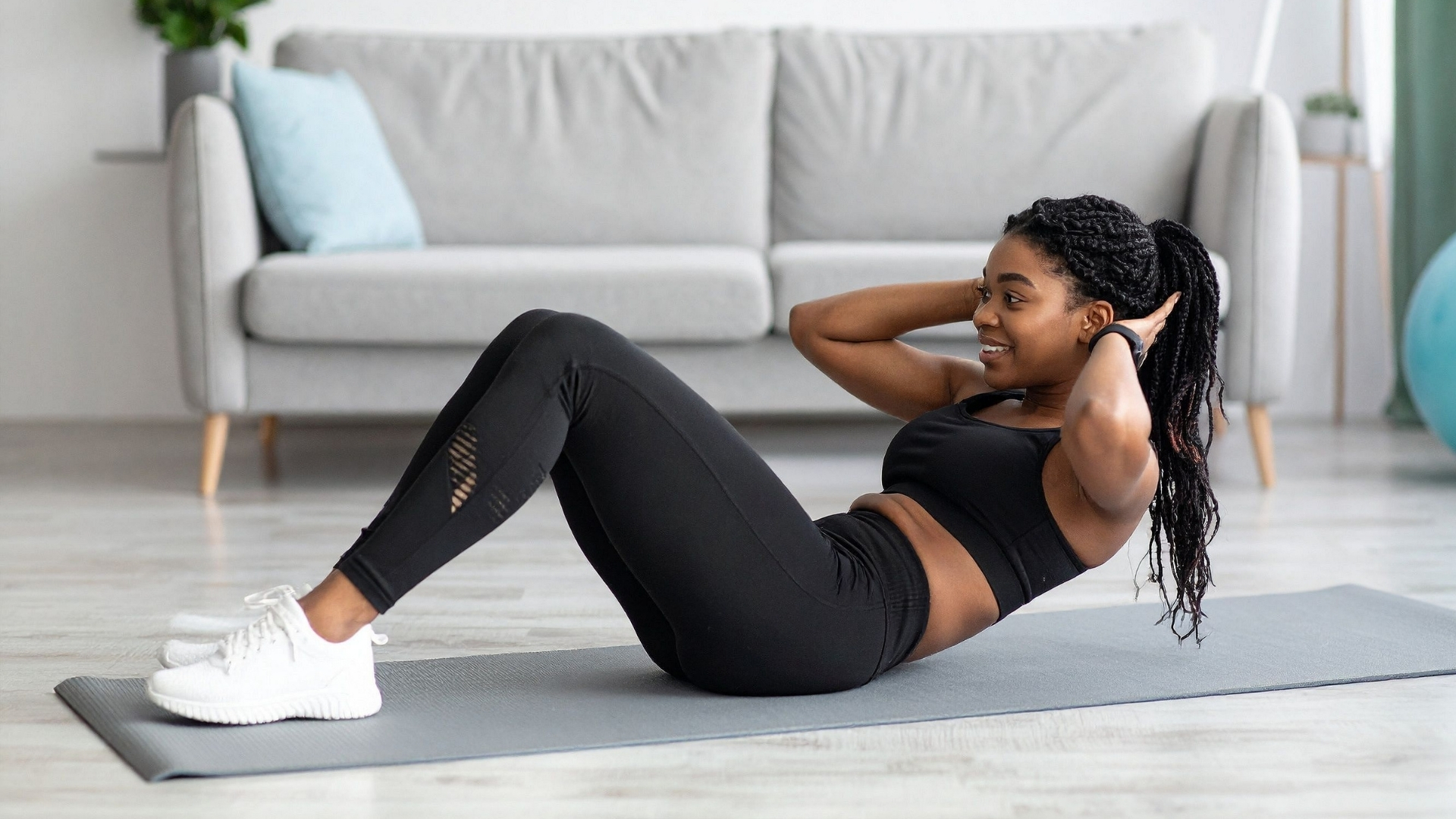
1. Focus on Quality Over Quantity
Firstly, how you move matters far more than how long you move for.
By slowing exercises down, focusing on control, and maintaining good technique, you can make even short sessions highly effective. In fact, controlled movements help engage muscles more efficiently, which supports strength without needing extra time.
This is why shorter strength sessions, such as:
can deliver real results when performed consistently.
2. Build Strength Into Your Weekly Routine
Rather than relying on occasional long workouts, consistency across the week is far more important.
For example, completing three shorter sessions each week will often lead to better results than one longer session. This approach also feels more manageable and easier to maintain.
Programmes such as:
help create that structure while keeping sessions realistic.
3. Don’t Overlook Mobility
Strength is not just about muscles. It is also about how well your body moves.
Including mobility and flexibility work alongside strength training helps improve joint support, reduce stiffness, and support better overall movement.
For example:
It can be a great addition to shorter strength sessions.
4. Make Workouts Fit Your Energy Levels
Not every day needs to feel intense. In fact, adjusting your workouts based on how you feel can help you stay more consistent.
On lower energy days, you might choose a gentler session or focus on movement rather than intensity. On higher energy days, you can push slightly more.
Programmes like:
offer a great option when you still want to move but need something more supportive.
5. Let Consistency Do the Work
Ultimately, the biggest driver of strength is consistency.
Short, manageable workouts that you can return to regularly will always outperform longer sessions that feel difficult to repeat. Over time, these small efforts build strength, confidence, and routine.
Preparing for What Comes Next
Over the coming weeks, we’ll be focusing more on building strength in a way that feels accessible, supportive, and realistic for everyday life. This approach of shorter, consistent sessions is at the heart of that.
The Takeaway
5 ways to feel stronger without longer workouts come down to one key idea. You do not need more time. Instead, you need a routine that works for you.
By focusing on quality, consistency, and balance, you can build strength in a way that feels achievable and sustainable.
If you’re thinking more about nutrition for strength and energy as you age, you’re not alone. As we move through different stages of life, the way we support our bodies naturally begins to shift. However, this is not about strict diets or major changes. Instead, it’s about making small, consistent choices that help you feel stronger, more energised, and more supported in your everyday movement.
Whether you’re already exercising regularly or just getting started, nutrition plays an important role in how your body responds, recovers, and continues to build strength over time.

Why Nutrition Matters More Over Time
As we get older, maintaining muscle strength and energy levels becomes increasingly important. However, this does not mean doing more. Instead, it means supporting the body more effectively.
For example, balanced nutrition can help:
Maintain muscle mass
Support recovery after exercise
Improve energy levels throughout the day
Support joint and bone health
Because of this, combining regular movement with supportive nutrition can make a noticeable difference in how you feel day to day.
Focus on Protein, But Keep It Simple
Protein continues to play a key role in supporting muscle strength and recovery. However, this does not need to feel complicated.
Rather than focusing on exact numbers, a simple approach is to include a source of protein with each meal. This might look like:
Eggs or yoghurt at breakfast
Chicken, fish, or beans at lunch
A balanced evening meal with a clear protein source
Over time, these small habits can help sustainably support strength.
Don’t Forget About Energy
While protein often gets the spotlight, it is equally important to fuel your body with enough overall energy.
Carbohydrates provide fuel for movement, while healthy fats support overall well-being. Including a balance of all three macronutrients helps avoid energy dips and supports consistent activity.
In other words, eating regularly and not skipping meals can be just as important as what you eat.
Hydration and Recovery Matter Too
It’s easy to overlook hydration; it plays a key role in energy levels, recovery, and overall well-being.
Even mild dehydration can lead to fatigue, reduced focus, and lower performance during exercise. Therefore, keeping a regular intake of fluids throughout the day can make a noticeable difference.
Simple Habits That Make a Difference
When it comes to nutrition, consistency will always outperform perfection.
Simple habits such as:
Eating regularly
Including protein in meals
Staying hydrated
Choosing balanced meals
can support long term strength and well-being far more effectively than short term changes.
Preparing for What Comes Next
Over the coming weeks, we’ll be focusing more on building strength in a way that feels supportive, accessible, and sustainable.
Supporting your body through simple nutrition habits is a great place to begin.
The Takeaway
Ultimately, nutrition for strength and energy as you age is not about restriction. Instead, it’s about giving your body what it needs to feel strong, capable, and energised.
Small, consistent changes can make a meaningful difference over time.
Read how to add more protein to your diet
If you’ve been hearing more about HIIT workouts but feel unsure whether they are right for you, you’re certainly not alone. A beginner’s guide to HIIT workouts can help demystify this popular training style and show that it can actually be adapted for many different fitness levels.
HIIT, which stands for High Intensity Interval Training, involves short bursts of effort followed by periods of recovery. Because of this structure, workouts can be shorter while still delivering excellent benefits for cardiovascular fitness, strength, and overall conditioning.
Perhaps most importantly, HIIT does not need to feel intimidating. When approached in the right way, it can be flexible, scalable, and surprisingly enjoyable.
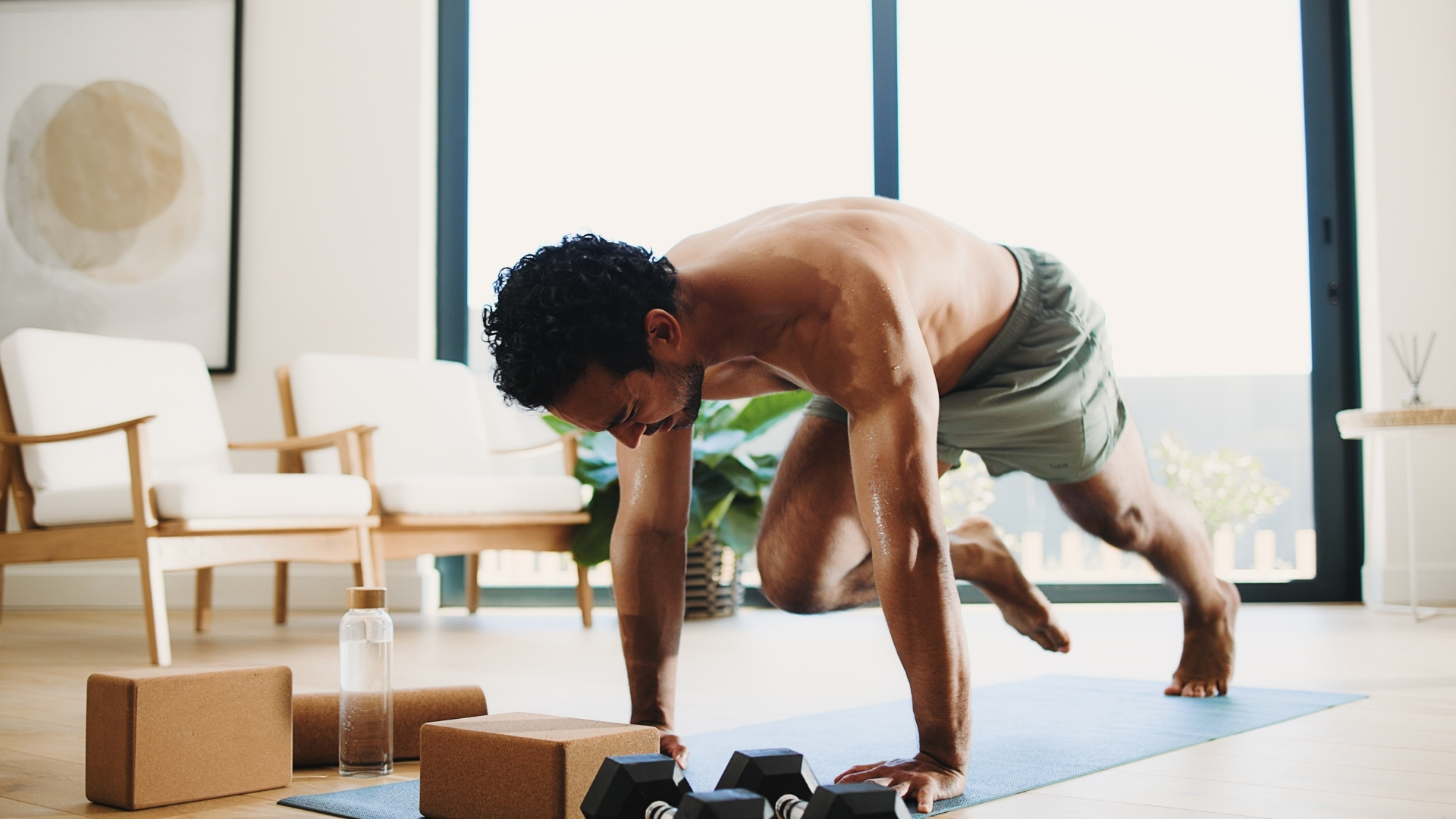
What Is HIIT?
At its core, HIIT means alternating between periods of higher intensity exercise and short recovery breaks. For example, you might perform an exercise for 30 seconds, followed by 15 to 30 seconds of rest before moving on to the next movement.
This format keeps the heart rate elevated while also allowing the body brief recovery periods. As a result, HIIT workouts are often efficient and engaging, making them ideal for people who want to improve fitness but may not have long periods to exercise.
However, it is worth remembering that intensity is always relative. What feels intense for one person might feel moderate for someone else, so the key is always to work at a level that suits your own body.
Why HIIT Can Be Effective
There are several reasons why HIIT has become such a popular training method.
Firstly, the shorter workout structure makes it easier to fit exercise into a busy day. Even a 20-minute session can deliver meaningful benefits when performed consistently.
Secondly, HIIT workouts can support both cardiovascular fitness and muscular endurance. Because many sessions combine strength-based movements with cardio exercises, you are often working multiple systems simultaneously.
Finally, many people enjoy the variety of HIIT training. Moving between exercises regularly helps keep sessions engaging and prevents workouts from feeling repetitive.
Can Beginners Do HIIT?
The short answer is yes. However, beginners should approach HIIT gradually, focusing on building confidence and technique before pushing intensity.
For example, you might start with shorter work intervals, longer rest periods, or low-impact movements that place less stress on the joints. Over time, as fitness improves, the intensity and complexity of exercises can increase.
Most importantly, consistency matters far more than intensity at the beginning. Even moderate effort HIIT sessions can deliver real improvements when performed regularly.
InstructorLive HIIT Programmes to Try
If you’re curious about HIIT workouts, InstructorLive offers several programmes that can help you explore this style of training at a pace that feels comfortable.
Dance HIIT for Beginners
If you prefer workouts that feel fun and energising, this programme is a fantastic starting point. Dance HIIT for Beginners combines simple choreography with interval training, allowing you to build cardio fitness while enjoying rhythmic movement. It’s an approachable way to experience HIIT without feeling overwhelmed.
20 Minute HIIT
For those who want a straightforward, efficient workout, 20 Minute HIIT delivers a series of structured sessions designed to elevate the heart rate and build strength. The shorter class format also makes it easy to fit into busy schedules.
HIIT: The Promise
If you’re ready for a slightly bigger challenge, HIIT: The Promise offers a high-energy series focused on improving cardiovascular fitness, strength, and conditioning. The longer programme structure allows you to build stamina and progression over time.
Tips for Starting HIIT Safely
If you are new to HIIT, there are a few helpful strategies to keep in mind.
Firstly, always begin with a proper warm-up. Preparing the muscles and joints helps reduce the risk of injury and allows you to move more comfortably during the workout.
Secondly, focus on good technique rather than speed. Performing movements with control will help build strength and reduce unnecessary strain.
Finally, remember that rest and recovery are part of the process. Giving the body time to recover between sessions helps support progress and prevent fatigue.
Finding the Right Pace for You
Ultimately, HIIT should feel challenging but manageable. The goal is not to push to exhaustion every time, but rather to build a routine that supports your energy, strength, and confidence over time.
With the right approach, a beginner’s guide to HIIT workouts shows that this training style can be accessible, adaptable, and highly effective.
Whether you enjoy dance-inspired sessions, short cardio bursts, or structured conditioning programmes, there are many ways to explore HIIT and discover what works best for you.
One of the most inspiring parts of InstructorLive has always been the people behind the workouts. While the programmes and classes provide the structure, it is the members using them every day that truly bring the platform to life. The InstructorLive community is full of real people making real progress, whether that means starting a new routine, returning to exercise after a break, or finding ways to move more regularly at home.
Every fitness journey looks a little different, and that is exactly what makes this community so special.

Every Fitness Journey Is Unique
For some members, the goal might be building strength and confidence. For others, it might be improving mobility, managing injuries, or maintaining a routine that supports long-term health.
In many cases, progress does not happen overnight. Instead, it often comes from small, consistent habits that build over time. A short workout in the morning, a gentle stretch in the evening, or simply showing up regularly can make a meaningful difference.
That is why InstructorLive offers such a wide variety of programmes, allowing members to find something that suits their body, their schedule, and their goals.
The Power of Staying Consistent
Of course, staying consistent with exercise can sometimes be challenging. Life gets busy, motivation can dip, and routines occasionally need adjusting.
However, many members find that once movement becomes part of their weekly rhythm, it starts to feel less like something they have to do and more like something they genuinely enjoy.
Whether it is a quick strength session, a calming yoga flow, or a gentle Pilates class, building a routine that works for you is what truly supports long-term wellbeing.
Some Programmes Our Members Love
Across the platform, there are many programmes that have become favourites within the InstructorLive community.
For example, 20 Minute Toning has helped many members build strength with short, manageable workouts.
Meanwhile, Pilates for Lower Back Pain has supported those looking to improve mobility and strengthen their core safely.
For something a little more energetic, Dance HIIT for Beginners is a fun way to build cardio fitness while enjoying movement.
And for those who prefer slower, more mindful movement, programmes like Reset Renew Yoga offer a supportive way to improve flexibility and relaxation.
The beauty of InstructorLive is that everyone can find something that works for them.
Share Your InstructorLive Moment
Because the community behind InstructorLive is such an important part of the platform, we would love to celebrate the people who make it what it is.
That is why we are inviting members to send in a photo of themselves enjoying their InstructorLive routine.
Your photo might be:
finishing a workout
exercising in your living room
enjoying movement in the garden
celebrating a fitness milestone
simply taking a moment to move and feel good
We will be selecting some photos to feature on the InstructorLive website and in future newsletters.
How to Take Part
If you would like to be part of this community feature, send your photo to:
Along with your photo, feel free to include:
Your name
Your favourite InstructorLive programme
A short sentence about how InstructorLive has supported your fitness journey
We would love to see the many different ways our members are staying active and building routines that work for them.
Celebrating Real Progress
Ultimately, fitness is not about perfection. Instead, it is about finding ways to move that support your body and your life.
The InstructorLive community is made up of people at all stages of their fitness journey, and every step forward counts. Whether you are just getting started or have been exercising for years, your progress is worth celebrating.
We look forward to seeing your InstructorLive moments.
If you’ve recently been focusing on strength training, or perhaps you want to feel stronger and more supported in everyday life, you may be wondering how to add more protein to your day without overcomplicating things. The good news is that it doesn’t require strict diets or tracking every gram. Instead, you can add small, manageable adjustments to support your energy, recovery, and long-term health.
Protein plays an important role in helping the body repair and maintain muscle. However, many people underestimate how evenly spreading protein across the day can make a difference, especially when you are exercising regularly.

Why Protein Matters
When you complete a strength workout, whether that’s bodyweight training, dumbbells, or resistance bands, your muscles need nutrients to recover and rebuild. Protein provides the building blocks that support that process.
In addition, adequate protein intake can help:
Support muscle maintenance as we age
Improve recovery after workouts
Keep you feeling fuller for longer
Stabilise energy levels
Importantly, this does not mean dramatically increasing portion sizes. Often, it simply means being more intentional with what you are already eating.
Start with Breakfast
Breakfast is one of the most common meals where protein is missing.
Instead of relying purely on toast or cereal, you could try:
Adding Greek yoghurt alongside fruit
Including eggs, scrambled or boiled
Mixing nuts or seeds into porridge
Adding protein-rich yoghurt to smoothies
Even small additions can increase overall intake without changing your routine completely.
Balance Your Lunch
Lunchtime can easily become carb-heavy, particularly if you are busy.
To add more protein, you might:
Include chicken, tuna, tofu, or beans in salads
Add lentils or chickpeas to soups
Choose cottage cheese or hummus as a side
Build sandwiches around a clear protein source
These changes are simple, yet over time, they help create a better balance.
Think About Snacks
Snacks are another easy opportunity to support protein intake.
Instead of reaching only for quick carbohydrates, you could choose:
A handful of nuts
Greek yoghurt
Boiled eggs
Edamame
Hummus with vegetables
These options can help support energy levels and reduce afternoon crashes.
Include Protein at Dinner
Dinner is often the easiest place to focus on protein. Lean meats, fish, eggs, tofu, lentils, and beans are all accessible options.
If you are strength training through programmes such as:
Then, ensuring your evening meal contains a solid protein source can support recovery and help you feel stronger over time.
Simple Ways to Add More Protein to Your Day Without Overthinking It
The key message in Simple Ways to Add More Protein to Your Day is that consistency matters more than perfection.
You do not need to track every gram or overhaul your meals overnight. Instead, aim to:
Include a protein source at each main meal
Spread intake across the day
Make small, sustainable swaps
Over time, these small adjustments can support strength, energy, and overall well-being.
The Takeaway
Nutrition does not need to feel complicated. By making simple, realistic changes, you can support your workouts and everyday movement without pressure.
Small, consistent habits often deliver the biggest results.
If you’ve been thinking about building strength but feel unsure where to begin, you’re certainly not alone. A beginner’s guide to strength training is often exactly what people need when they want to feel stronger, more supported, and more confident in their movement without stepping into an intimidating gym environment.
Strength training at home can be simple, effective, and incredibly rewarding when approached in the right way. Most importantly, it does not need to feel overwhelming or complicated to deliver real benefits.
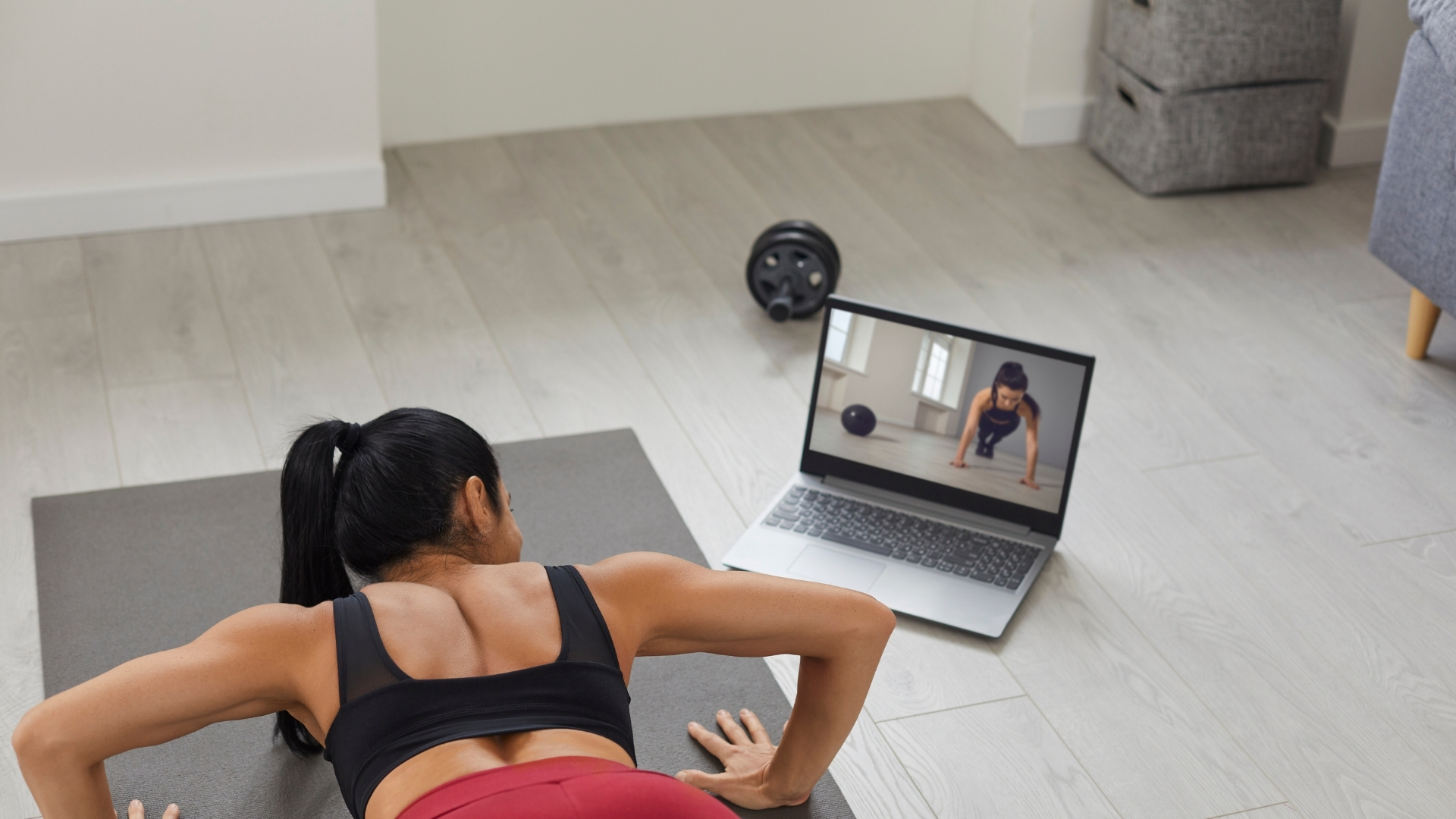
What Is Strength Training and Why Does It Matter?
Strength training means working your muscles against resistance. That resistance might come from your own bodyweight, dumbbells, resistance bands, or even slower, more controlled movement.
Over time, this type of training helps to:
Build and maintain muscle strength
Support joint stability
Improve posture and everyday movement
Boost confidence in how your body feels
Support healthy ageing
As a result, strength training is not just for athletes or gym enthusiasts. In fact, it becomes more important as we get older and want to maintain independence and resilience in daily life.
What Beginners Often Worry About
Before starting, many people share similar concerns. You might be wondering whether strength training will feel too intense, whether you need lots of equipment, or whether you need prior experience.
The good news is that none of those things are required to get started.
In reality, beginner strength work should feel controlled and manageable. You should always be able to move with good form and without sharp discomfort. In addition, starting with lighter weights or bodyweight exercises is often the smartest approach.
How Often Should You Do Strength Training?
For most beginners, two to three sessions per week is a great place to start. This gives your body time to adapt while still building consistency.
Equally important is keeping sessions realistic. Shorter workouts that you can stick with will always be more effective than longer sessions that feel difficult to maintain.
Choosing the Right Programme for Your Starting Point
One of the biggest advantages of InstructorLive is that there are strength-based programmes for different levels and needs. Here are some strong starting points depending on what you are looking for.
If you want short, manageable sessions
A bodyweight-based programme that focuses on simple, effective toning exercises that fit easily into your week.
If you’d like to introduce light weights
A great next step that builds strength using dumbbells in a controlled and accessible way.
If you want to build confidence with weights
Designed to help you feel comfortable and capable using weights while building full-body strength.
If you’re ready for functional strength work
A more progressive programme focusing on full-body strength and real-world movement patterns.
If you prefer joint-friendly strength
Ideal if you want to build strength gently while being kind to your joints.
A Beginner’s Guide to Strength Training Is About Progress, Not Pressure
Perhaps the most important thing to remember is that a beginner’s guide to strength training is not about lifting the heaviest weights or pushing to exhaustion. Instead, it is about building strength gradually, moving with control, and allowing your confidence to grow over time.
Consistency will always deliver better results than intensity alone.
The Takeaway
Strength training is one of the most valuable things you can do for your long-term health, mobility, and confidence. By starting with supportive, manageable sessions and choosing the right programme for your level, you can build a routine that truly lasts.
If you are just getting started, take it one session at a time and let progress build naturally.
Fitness that supports you at every stage of life is about more than working harder or doing what you used to do. As we get older, staying active becomes less about pushing and more about moving well, feeling strong, and staying confident in our bodies. The good news is that exercise doesn’t need to slow down with age. It simply needs to be smarter, more supportive, and better suited to where you are right now.
At InstructorLive, we’re often asked which programmes are best for older adults, or for those looking for lower-impact options. The answer is simple. It’s not about age. It’s about how you feel, what you enjoy, and what your body needs.

You don’t need to “take it easy”
Many people assume that once they reach a certain age, they should stop strength training or cardio altogether. In reality, strength, balance, mobility, and gentle cardio are some of the most important things we can do to stay independent, reduce aches and pains, and feel confident in everyday life.
That’s why we’ve created a range of programmes that are joint-friendly, accessible, and effective, without feeling boring or watered down.
Programmes that work particularly well
If you’re looking for a place to start, or want to support what you’re already doing, these programmes are especially popular with our older members:
A fantastic all-round option focusing on strength, balance, posture, and mobility. Ideal if you want to feel more stable and supported in daily movement.
Short, manageable sessions designed to build confidence, strength, and coordination without overloading the body.
Chair Pilates and Chair Ballet
Great if you’d like extra support or are returning to exercise after a break. These classes are gentle but still highly effective.
Perfect for keeping active while being kind to the joints. A brilliant option if high-impact workouts aren’t for you.
Accessible, easy-to-follow cardio that still delivers real benefits. Ideal if you enjoy steady movement without jumping or floor work.
Already feeling fit? You’ve got options
If you’re already active, you don’t need to limit yourself to beginner sessions. Many of our Pilates, low-impact strength, and toning programmes offer a great challenge, while still being safe and appropriate.
It’s always okay to:
Work at your own pace
Pause when needed
Choose shorter sessions
Mix gentler days with stronger ones
Consistency matters far more than intensity.
Listen to your body, not the number on the calendar
Age is just one part of the picture. How you move, how you recover, and how you feel day to day all matter just as much.
The best programme is the one you’ll enjoy, stick with, and feel good doing.
If you’re ever unsure where to start or would like help choosing the right classes for you, we’re always happy to help.