


When searching for the best online workouts, it’s easy to find programmes that look impressive, but are they really designed for someone approaching or over 50? The fitness industry is often heavily aimed at younger generations, when in reality, fitness is important at every stage of life, not just in your 20s. That’s exactly why, at InstructorLive, we want to make sure there’s something for everyone, wherever you are in your fitness journey. So I wanted to use this week’s blog to guide you through some of the best online workouts for over 50s, and show how the right type of exercise can help you feel stronger, move better, and genuinely feel amazing.

Strength Workouts
As we get older, strength becomes one of the most important things we can work on.
Not just for fitness, but for everyday life.
Things like carrying the shopping, getting up from the floor and climbing stairs all become far easier when we build strength consistently.
That’s why strength-based home workouts can make such a huge difference, especially when they’re structured in a way that feels manageable and progressive.
You can explore our strength workouts here:
👉 https://www.instructorlive.com/strength/
If you’re looking for a more supportive and structured approach, our Strength Beyond 50 programme has been designed specifically to help build strength realistically and sustainably.
Pilates Workouts
Pilates is one of the best forms of exercise for improving core strength, posture, flexibility, mobility and Balance.
And because it’s low impact, it’s something many people can continue doing consistently for years.
It’s also brilliant if you’re looking to feel stronger without putting too much stress on the joints.
That’s why Pilates has become such an important part of the InstructorLive platform, with everything from beginner sessions to more targeted programmes.
👉 Explore Pilates workouts here:
https://www.instructorlive.com/pilates/
Low Impact Workouts
A common misconception is that workouts always need to feel intense to be effective.
In reality, low-impact workouts can still improve fitness, build strength, and help you stay active, just in a more joint-friendly way.
For many people over 50, this type of training becomes one of the best ways to stay consistent without feeling overly fatigued.
👉 Fancy trying some low-impact cardio? Why not try Carlie’s Walking workout
Mobility and Stretching
Mobility is something many people don’t think about until movement starts to feel more difficult.
However, keeping your body moving well is incredibly important as we get older.
Simple mobility and stretching sessions can help you reduce stiffness, improve your flexibility and support your posture. This makes everyday movement feel easier and just brings a better sense to your overall health and wellbeing.
And the best part is, these sessions don’t need to be long to make a difference.
👉 Explore our Yoga Category for the best stretching programmes
Or If Yoga is not for you, check out The Ultimate Stretch with Jade
Short Workouts Still Work
One of the best things about home workouts is flexibility.
You don’t need an hour every day.
Sometimes a 15 or 20-minute session is more than enough to improve energy, movement, and consistency.
And often, shorter workouts are much easier to stick to long term.
Finding the Best Online Workout For You
One thing we’ve really focused on with the new InstructorLive platform is making it easier to find the workouts that fit your needs.
Whether you’re looking for strength training, Pilates, mobility, low-impact sessions, or beginner-friendly workouts, you can now explore by category. You can also use the search function to find exactly what you need.
Because the best workout is always the one that works for your life.
The Takeaway
The best online workouts for over 50s aren’t necessarily the hardest or longest ones.
They’re the workouts that help you:
* Feel stronger
* Move better
* Build confidence
* Stay consistent
* And enjoy exercise again
Because ultimately, fitness should support your life, not take it over.
From dance studios and theatres to gyms, hotels, and filming fitness content, one thing I’ve learnt over the years is that great workouts don’t depend on where you train. They depend on whether your routine fits your life at that moment. I’ve trained in some incredible environments over the years, often with access to the best facilities, classes, and equipment. And for a long time, I probably associated great training with having to go somewhere. Maybe you go to the gym, a studio or a class. However, as life changes, work gets busier, family becomes a bigger priority, and your goals start to evolve, I’ve realised that the best training plan is often the one that fits naturally into your day, rather than the one that feels hardest to commit to. And honestly, that’s one of the biggest reasons why home workouts work so well.
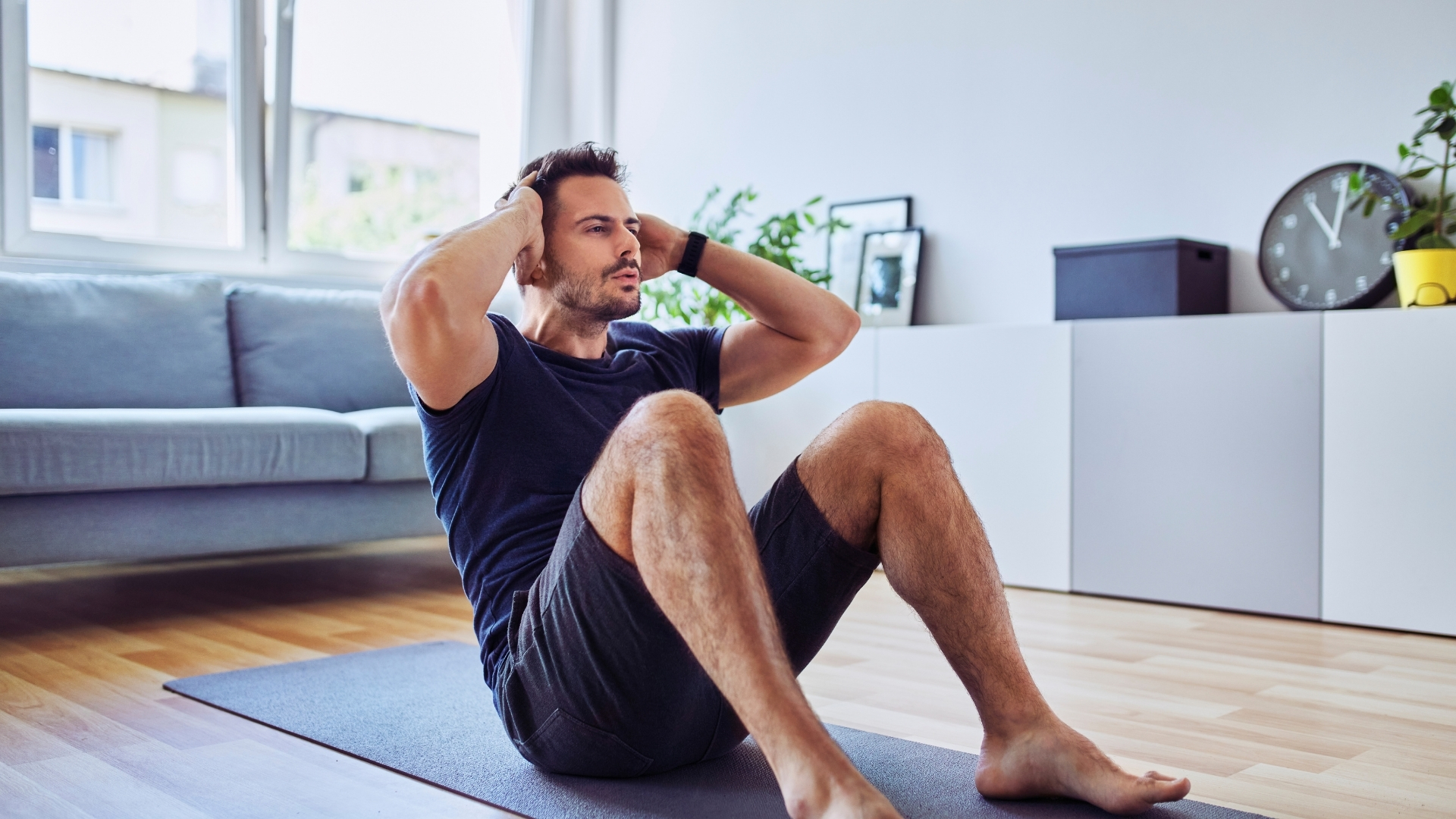
They Build Real Consistency
Over the years, one thing I’ve learnt is that consistency always beats intensity.
And home workouts make consistency so much easier.
When exercise fits naturally into your day, whether that’s first thing in the morning, during a lunch break, or in the evening, you’re far more likely to stick to it.
And when you stick to it, trust me, the results come.
They Give You Confidence
Something I think often gets overlooked is confidence.
Not everyone feels comfortable walking into a gym or joining a class straight away.
Home workouts give you the chance to move at your own pace, learn new exercises, and build confidence without feeling like anyone’s watching, and for so many people, that’s where the journey really starts.
They Let You Choose What Your Body Needs
One of the biggest benefits of training at home is having the freedom to choose exactly what your body needs on that day.
Some days, you might want strength. Other days, it might be Pilates, mobility, stretching, or something a little lower-impact.
That’s exactly why we’ve worked hard to make things easier to find on the new InstructorLive platform. With our updated navigation and workout categories, you can now explore sessions by training style, goal, or you can use the search function to find exactly what you need, when you need it, simple.
Because great training isn’t just about having the workouts available. It’s about being able to find the right one at the right time.
The Takeaway
Home workouts work because they make fitness fit around real life.
No pressure. No travel. No wasted time.
Just movement that works for you, when you need it.
And honestly, that’s what fitness should feel like.
After spending more than 20 years training, performing, and working in fitness, one thing I’ve realised is that my reasons for training have changed massively over time.
When I was younger, a lot of it was about performance. Looking fit, moving well, pushing harder, and always trying to improve.
However, as I’ve got older, and hopefully a little wiser, although my partner might have something to say about that, I’ve realised that one of the most powerful things fitness gives you isn’t how you look.
It’s how you feel.
And honestly, feeling strong changes everything, far more than just your workouts.

Strength Changes the Way You Move
One of the first things I’ve noticed, both in myself and in people I work with, is how strength changes the way you move every day.
Simple things start to feel easier.
Getting up off the floor. Carrying shopping. Walking upstairs. Playing with your children or grandchildren. Even standing for longer periods.
These things might sound small, but they make a huge difference to how capable and confident you feel.
Strength Builds Confidence
Something people don’t talk about enough is the confidence that comes with feeling physically stronger.
When you trust your body, everything changes.
You move differently, stand differently, and you approach challenges differently.
And that confidence often carries into other parts of life, too.
Work. Family. Relationships. Energy.
It all connects.
Strength Supports Better Posture and Energy
As we get older, it’s very easy to spend more time sitting, working, or feeling generally stiffer than we used to.
However, building strength can have a huge impact on posture, stability, and energy levels.
When your body feels supported, you naturally move better, breathe better, and often feel more energised throughout the day.
Strength Helps You Stay Independent
This is probably one of the biggest reasons strength matters more as we age.
Strength supports independence.
The ability to move confidently, stay active, and continue doing the things you love for as long as possible.
That’s exactly why programmes like Strength Beyond 50 are so important.
It’s not about pushing to extremes. It’s about building strength in a way that feels realistic, supportive, and sustainable.
Supporting Strength With Mobility
Of course, strength doesn’t work on its own.
Mobility, flexibility, and joint support all play a huge part, too.
That’s why Pilates is a great addition to any strength training plan. Head to our Pilates category to explore all the different classes we offer.
Because feeling strong isn’t just about muscles, it’s about how your whole body moves and feels.
The Takeaway
How feeling great changes everything isn’t really about fitness at all.
It’s about confidence, energy, independence, movement, and of course, being able to keep doing the things that matter most.
And for me, that’s what training is really about now.
Have you ever started training and something just doesn’t feel right?
Maybe you’ve got no energy, or you’re struggling to even find the motivation to begin. You push yourself to start anyway, but that usual feeling isn’t there. No adrenaline, no momentum, just a bit flat throughout the session.
Let me assure you, we all get these moments.
When something doesn’t feel right in your body during training, it can be a tricky place to be.
I’ve had this myself plenty of times over the years. You’re going through your routine, everything feels fine, and then suddenly something feels off. Maybe it’s your shoulder, your knee, your back, or just a movement that doesn’t feel as comfortable as it normally would.
And in that moment, it’s very easy to go one of two ways.

The Two Common Reactions
From my experience, most people tend to do one of two things.
👉 Ignore it and push through
👉 Or stop completely
And I get both.
If you ignore it, it’s usually because you don’t want to lose momentum. You feel like you’re finally in a routine and don’t want to break it.
On the other hand, stopping completely often comes from not wanting to make things worse or not being sure what to do next.
However, in reality, neither of those options tends to work that well long-term.
What I’ve Learned to Do Instead
What I’ve learnt, mostly the hard way, is that the best option usually sits somewhere in the middle.
Instead of pushing through or stopping everything, it’s about adjusting.
That might mean:
- Changing the exercise
- Reducing the intensity
- Slowing things down
- Or focusing on a different area for a few sessions
And actually, that small adjustment is often what keeps you moving forward.
Keeping Yourself Moving (In the Right Way)
One of the biggest mistakes is thinking that if something feels off, you have to stop training altogether.
In most cases, you don’t.
You just need to train differently for a short period of time.
This is where more supportive, low-impact work can make a huge difference. It allows you to stay active while still giving your body what it needs.
That’s exactly why we’ve brought Rehab Pilates with Sam Webster onto the platform.
It’s designed to support specific areas like the lower back, shoulders, knees, and hips, so if something isn’t feeling quite right, you’ve still got a way to keep moving without making things worse.
Building Back Confidence
The other side of this, which I think often gets overlooked, is confidence.
Once something doesn’t feel right, it’s very easy to start second-guessing your body.
You might hold back more, avoid certain movements, or feel unsure about what you can and can’t do.
That’s where having a structured, supportive approach really helps.
Programmes like Strength Beyond 50 are designed to build strength gradually and safely, helping you regain confidence in your movement.
It Doesn’t Mean Something Is Wrong
Another important thing I’ve had to remind myself over the years is that not every niggle means something serious.
Bodies change. Things feel different from time to time. And often, it’s just your body asking for a slight adjustment rather than a complete stop.
Learning to recognise that difference is a big part of long-term training.
The Takeaway
When something doesn’t feel right, it doesn’t mean you’ve failed or that you need to stop completely.
Most of the time, it just means you need to adjust.
Because staying active isn’t about pushing through everything. It’s about learning how to work with your body so you can keep moving consistently over time.
Something I’ve had to learn a lot about over the years, both as a former dancer who threw his body around everywhere, and as someone who has trained consistently for over 20 years, is training around injuries as you age. And like most things, I’ve definitely learnt it the hard way.
When you’re younger, it’s easy to push through things. A bit of tightness here, a slight ache there, and you just carry on. However, as we get older, those small niggles tend to stick around a bit longer. And if you ignore them, they can quickly turn into something that stops you from training altogether.
That’s definitely something I’ve become more conscious of recently. So I thought I’d share a few tips to help you go through that process a bit easier and hopefully avoid some of the mistakes I’ve made when dealing with those frustrating niggles.
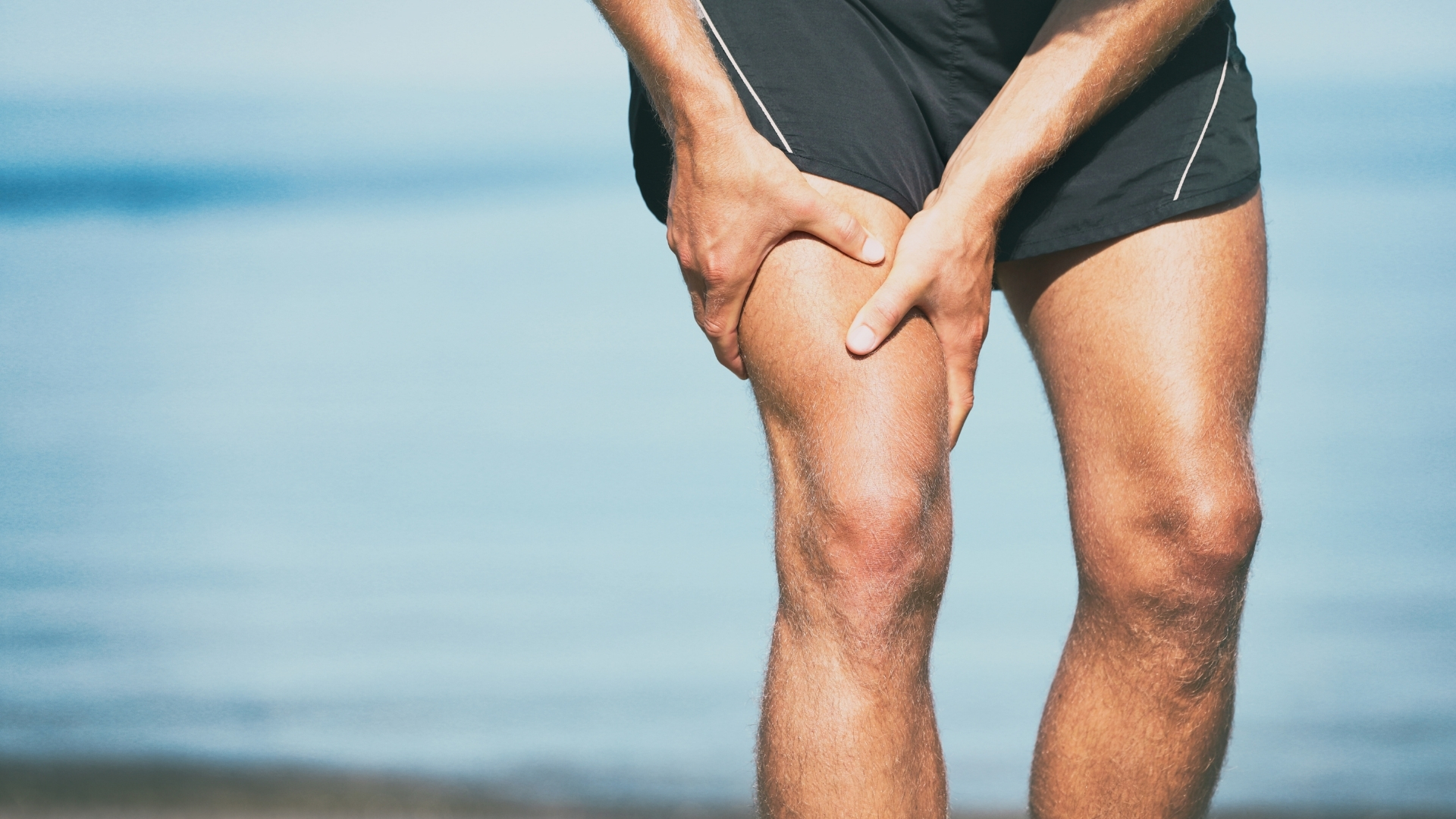
Learning to Work With Your Body, Not Against It
One of the biggest shifts for me has been learning to work with my body, rather than constantly trying to push against it.
For a long time, I thought workouts had to feel hard to be effective. If I wasn’t pushing, I didn’t feel like I was doing enough. However, what I’ve realised is that constantly pushing through discomfort usually just sets you back.
Now, I pay much more attention to how things feel. That might mean slowing exercises down, adjusting movements, or even swapping a session entirely. And actually, that’s when I’ve seen the most consistent progress.
Avoiding the “All or Nothing” Trap
Something else I see a lot, and I’ve definitely been guilty of this myself, is the all-or-nothing mindset.
You either:
• Push through something you probably shouldn’t
• Or stop completely and do nothing
In reality, neither works that well.
What tends to work much better is finding a middle ground. Keeping some level of movement going, but in a way that supports your body rather than aggravating it.
Because once you stop completely, it’s often much harder to get back into a routine.
Why Low-Impact Training Becomes So Important
This is where low-impact training has been a bit of a game-changer for me.
Things like Pilates allow you to:
• Build strength
• Improve mobility
• Support joints
• Stay active without putting unnecessary stress on the body
It’s not about doing less. It’s about doing the right type of movement.
That’s exactly why we’ve brought programmes like Rehab Pilates onto the platform.
What I really like about it is that it’s not just general workouts. It’s more targeted. So if you’re dealing with something specific, whether that’s your lower back, shoulders, knees, or even recovering from something like a hip replacement, you can still train, just in a way that supports that area rather than making it worse.
Building Strength in a Smarter Way
Alongside that, something I’ve also learnt is how important it is to keep building strength, just in a more controlled and structured way.
That’s where something like Strength Beyond 50 fits in really well.
It’s designed to help you build strength gradually, without overloading the body, which is exactly what you need if you’re trying to stay consistent while managing injuries or niggles.
For me, it’s about finding that balance between supporting the body and still challenging it enough to improve.
Staying Consistent Without Setbacks
At the end of the day, the goal isn’t to push through pain or constantly test your limits.
It’s to stay consistent.
And sometimes that means taking a step back so you can keep moving forward.
Because the worst thing that can happen is pushing too hard, getting set back, and then having to start again.
The Takeaway
Training around injuries as you age isn’t about doing less; it’s about doing what works for your body.
Listening to how you feel, making small adjustments, and choosing the right type of movement can make all the difference.
Because in the long run, staying active consistently will always beat short bursts of pushing too hard.
As someone who is genuinely passionate about training and exercise, I’m constantly reviewing what I do, not just as a trainer, but in my own routines as well. The truth is that naturally changes over time. As we get older and more experienced, the goalposts shift. That’s definitely been the case for me recently. I’ve started to listen to my body more, recognising that I need more rest, but also realising I want more time for family and work. So I’ve stripped things back. And honestly, everything has improved. My training feels better, my sleep is better, and I have more time and energy for the things that matter. That’s really why I felt compelled to write about the biggest workout mistake people make.

Whether you’re just starting or getting back into a routine, it’s easy to feel like you need to do everything all at once. However, in reality, you probably don’t need more workouts or to spend more time exercising. And I completely understand why it feels that way. When motivation is high, it’s natural to think that doing more will get you results faster. However, what I’ve found, both personally and through working with others, is that this approach usually leads to the opposite.
People burn out, lose momentum, and start to feel like it’s not working.
Trying to Do Too Much Too Soon
What I see most often is people going from very little structure straight into doing everything.
Training most days, choosing workouts that feel too intense, and not really allowing time for recovery.
At first, it feels productive. You feel motivated, you feel like you’re doing the right thing. However, after a couple of weeks, it starts to catch up.
Energy dips, motivation drops, and suddenly the routine that felt exciting starts to feel like a chore.
What Actually Made the Difference for Me
For me, the biggest shift came from doing less, but doing it better.
Instead of trying to fit everything in, I focused on:
A few structured sessions each week
Keeping workouts shorter and more focused
Allowing proper recovery
And that’s when things started to improve.
Not just physically, but overall. I felt better, more consistent, and more in control of my routine.
What I See Work Best (Time and Time Again)
The people who get the best long-term results aren’t the ones doing the most.
They’re the ones who:
Keep things simple
Find a routine that fits their life
Stay consistent, even when motivation dips
That might look like two or three sessions a week. It might be shorter workouts. It might be mixing strength with mobility.
It doesn’t need to be perfect. It just needs to be repeatable.
A More Sustainable Way to Train
This is exactly the thinking behind how I now approach training, and also how programmes like Strength Beyond 50 are built.
The focus isn’t on doing more. It’s on doing what works, in a way that feels manageable, supportive, and realistic.
Because ultimately, the best programme is the one you can actually stick to.
A Better Question to Ask Yourself
Instead of asking:
👉 “Am I doing enough?”
A more useful question is:
👉 “Can I keep doing this next week?”
If the answer is yes, then you’re on the right track.
The Takeaway
The biggest workout mistake I see is trying to do too much too soon.
What actually works is building a routine that fits your life, not the other way around.
Because in the long run, consistency will always beat intensity.
If you’ve recently started a new workout routine, it’s completely natural to ask yourself, “Is your workout working?” and how to know if your workout is actually making a difference. Many people expect quick or visible results, but progress does not always show up in obvious ways straight away.
In reality, some of the most important signs of progress are the ones you feel before you see. By paying attention to small changes in strength, movement, and energy, you can begin to recognise that your workouts are making a difference.
1. You Feel Stronger in Everyday Movements
One of the earliest signs that your workouts are working is how you feel in daily life.
For example, you might notice:
• Getting up from a chair feels easier
• Carrying shopping feels more manageable
• Your posture feels more supported
These small improvements are often a sign that strength is building, even if it is not yet visible.
2. Movements Start to Feel More Comfortable
At the beginning of any routine, exercises can feel unfamiliar or challenging. However, over time, movements often begin to feel smoother and more controlled.
This might include:
• Better balance
• Improved coordination
• Less stiffness during movement
All of these are strong indicators that your body is adapting.
3. Your Energy Levels Improve
Although workouts can feel tiring in the moment, regular movement often leads to improved energy levels overall.
You may find that:
• You feel more alert during the day
• You recover more quickly between sessions
• You feel more motivated to stay active
These are all positive signs that your routine is supporting your body.
4. You’re Able to Stay Consistent
Consistency is often overlooked, but it is one of the clearest signs that your workouts are working.
If you are:
• Showing up regularly
• Completing sessions more comfortably
• Building a routine you can maintain
Then your workouts are doing exactly what they should.
5. You Feel More Confident in Your Movement
Finally, confidence is one of the most important markers of progress.
Feeling more stable, capable, and comfortable in your body is a powerful sign that your training is having a positive impact.
Bringing It Back to Your Routine
Whether you’re following a structured programme like Strength Beyond 50, or combining shorter sessions such as:
These signs of progress apply across all types of training.
The Takeaway
Is your workout working? In many cases, the answer is yes, even if the results are not immediately visible.
Progress often happens in small, consistent ways. By focusing on how you feel, move, and build routine, you can see that your workouts are supporting your strength, confidence, and overall well-being.
If you are looking for a way to feel stronger, move better, and stay active as you get older, our brand new Strength Beyond 50 programme has been designed with you in mind.
This is not about pushing to extremes or keeping up with high-intensity workouts. Instead, it focuses on building strength that supports your everyday life, helping you feel more confident, capable, and in control of your movement.
Whether you are returning to exercise, starting for the first time, or simply looking for a more joint friendly approach, this programme gives you a clear and structured way to train.

What is Strength Beyond 50?
Strength Beyond 50 is a progressive training series designed to support long-term strength, mobility, and overall health.
Each programme follows a simple and effective structure:
• 5 workouts per week
• 25-minute sessions
• Low impact and joint-friendly
• Designed to be repeated over 5 weeks
Every week, you will cover:
• Lower body strength
• Upper body strength
• Heart health
• Mobility
• Balance and coordination
This creates a complete approach to training, helping you build strength while also improving how you move and feel day to day.
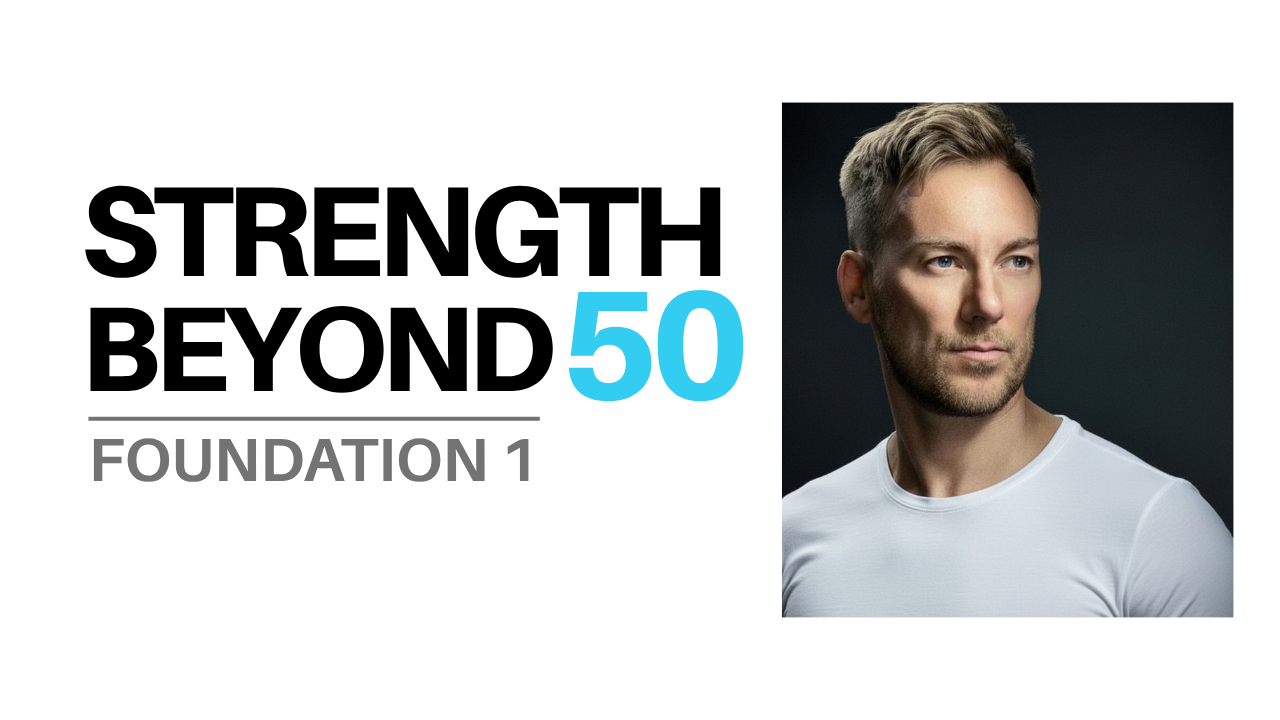
Introducing Strength Beyond 50
How the Programme Progresses
Strength Beyond 50 is not just one programme. It is a full series that allows you to progress at your own pace.
You begin with Foundation 1, which focuses on building confidence, learning movement patterns, and developing a solid base.
From there, you can move through the levels as you improve, gradually increasing the challenge while keeping everything low-impact and controlled.
The focus is always on progression, not pressure.
Who is it for?
This programme is designed for:
• Anyone aged 50+ looking to stay active
• Those returning to exercise after a break
• Beginners who want a safe and structured starting point
• Anyone looking for low-impact, joint-friendly training
• Those who want to build strength without high-intensity workouts
It is also a great option if you want to improve balance, reduce stiffness, and feel more confident in your movement.
The Benefits of Strength Beyond 50
Training consistently with Strength Beyond 50 can help you:
• Build strength for everyday life
• Improve balance and coordination
• Support joint health and mobility
• Increase confidence in movement
• Improve overall fitness and energy levels
These are the foundations of staying active and independent long-term.
Why Strength Training Matters More Than Ever
As we get older, strength becomes more important, not less.
Maintaining muscle strength helps support your joints, improve posture, and reduce the risk of injury. It also plays a key role in balance and stability, which are essential for everyday activities.
The good news is that it is never too late to start.
With the right approach, you can build strength safely and effectively at any age.
Start Your Journey
Strength Beyond 50 is about more than just exercise. It is about building strength that supports the life you want to live.
Start with Foundation 1, move at your own pace, and progress as you grow in confidence and ability.
Train for life.
Start Strength Beyond 50 Foundation 1 here.