


So this week, my family has succumbed to the flu that seems to be swirling around — as it always does at this time of year! So I thought, rather than feel sorry for myself, I’d draw inspiration from this and make it the focus of this week’s blog. As we head into winter, it can sometimes feel like everyone around you is coughing, sneezing, or reaching for tissues. Whether it’s the classic winter cold or the dreaded flu, this season tends to test even the strongest immune systems. But the good news? There are simple, natural ways to give your body the best chance at staying healthy — and even speeding up recovery if you do get struck down. So, if you’re wondering how to avoid the winter sniffles or just want to feel your best over the colder months, we’ve got you covered. Below, we’re sharing some of the best natural remedies for cold & flu season — from immune-boosting ingredients to tried-and-tested wellness tips.

1. Load Up on Immune-Supporting Foods
The food you eat plays a massive role in how well your body can defend itself. Focus on whole foods packed with antioxidants, vitamins, and minerals. Think:
🧄 Garlic – nature’s antibiotic!
🌱 Ginger – anti-inflammatory and soothing for sore throats
🍊 Citrus fruits – full of Vitamin C to support immune cells
🥬 Leafy greens – high in iron, folate, and Vitamin A
🧉 Probiotic-rich foods like yoghurt or kefir – to support your gut (which houses a large part of your immune system)
Even better? Make warming soups and stews with these ingredients — ideal comfort food that does your body good.
2. Stay Active (Even When You Don’t Feel Like It)
When it’s cold and dark outside, it’s tempting to skip your workouts. But gentle, regular movement helps increase circulation, support your immune response, and reduce stress — all of which play a role in how well you fight off illness.
You don’t need to go hard. Try these:
🧘♀️ Yoga for immunity and stress relief — our Ultimate Yoga Series is a great place to start
💪 Low-impact strength — 20-Minute Toning with Weights helps boost your metabolism and energy levels
🚶♀️ Walking workouts — simple, uplifting, and surprisingly effective
Remember, consistency beats intensity when it comes to supporting your immune health.
3. Sleep and Hydration Matter More Than You Think
One of the simplest but most powerful remedies? Rest.
Aim for 7–9 hours of sleep each night, and stay hydrated throughout the day — especially with warm, nourishing drinks like:
Herbal teas (ginger, peppermint, chamomile)
Hot water with lemon and honey
Bone broth – packed with collagen, amino acids, and minerals that support gut and immune health
Try switching off screens an hour before bed and creating a calming routine to help your body wind down. When you’re well-rested and hydrated, your immune system performs at its best.
4. Natural Supplements & Remedies to Consider
While whole foods should always come first, some natural supplements may give you an added edge:
💊 Vitamin D3 – especially important in the winter when sun exposure is low
🛡 Zinc – helps reduce the duration of cold symptoms
🌿 Echinacea – can boost immune function when taken early
🫐 Elderberry syrup – may reduce the severity and length of colds and flu
🍊 High-dose Vitamin C – may help reduce inflammation and support white blood cells
As always, check with a healthcare professional before adding new supplements — especially if you’re on any medication.
5. Listen to Your Body (And Be Kind to It)
Finally, if you do get sick, don’t try to power through. It’s okay to rest. It’s okay to miss a workout. And it’s okay to take a break from your usual routine.
Health isn’t about perfection — it’s about giving your body what it needs, when it needs it. That might be movement, rest, nourishing food, or even a hot water bottle and a blanket.
Need a Helping Hand?
Check out some of our favourite immune-supporting programmes on the new InstructorLive site:
🟢 Pilates for Lower Back Pain – gentle movement to reduce stress and inflammation
🟢 The Ultimate Yoga Series – 5 yoga styles to reset your system. Try the first class for free on YouTube here
🟢 DanceFit – a fun way to sweat, smile and boost feel-good hormones
🟢 The Ultimate Stretch– the perfect way to wind down after a busy day
And if you haven’t switched to the new InstructorLive website yet, just get in touch with our support team to get your new access code. We’re adding more of your favourite classic programmes every week, including Posture Clinic and Dance HIIT for Beginners.
Stay well, stay moving — and take care of yourself this winter. 💚
Back pain is something most of us will experience at some point in our lives. Whether it’s a dull ache from sitting too long, a twinge from a poor night’s sleep, or something more chronic, it can really impact your quality of life. However, the good news is, with the right kind of movement and exercise, you can vastly improve and even reverse the symptoms of back pain.
At InstructorLive, we believe in the power of gentle, structured exercise to support recovery, improve posture, and reduce pain over time. That’s why we’re shining a spotlight on four brilliant programmes that are all about building a stronger, more resilient back. They range from mobility and flexibility to alignment and core strength, with sessions that are designed to help you feel better, move better, and get back to doing what you love.

1. Back Care with Jade Gooding
This restorative programme is ideal if you’re currently dealing with stiffness, discomfort, or general tightness in your back and hips. Jade guides you through gentle stretches, breath-led movement, and mobility exercises designed to release tension and improve spinal health. A great place to start if you’re looking for calm, mindful movement that supports healing.
2. Pilates for Lower Back Pain with Sam Webster
If your back pain is more persistent — particularly through the lower back — this Pilates-based series is perfect. Sam uses simple, focused exercises to help you strengthen the deep core muscles that support your spine. Expect slow, controlled movement that gradually builds strength and improves posture from the inside out.
👉 Start Pilates for Lower Back Pain
3. Posture Clinic: Perfect Posture (Returning IL Classic)
Back by popular demand, this InstructorLive classic helps you reset the foundations of your posture. This programme is ideal if your back pain is caused by poor desk habits, long hours sitting, or general misalignment. With simple, practical exercises that help your body build awareness, strengthen key postural muscles, and carry yourself with more confidence and less discomfort.
Posture Clinic: Posture Clinic returning this Monday.
4. Pilates for Desk Workers with Katy Ahrend
If your back pain comes from sitting at a desk all day, or from even working at home on the couch, then this programme could be the one for you. Katy’s short, targeted classes are designed to combat the postural stress that comes from long days at a desk. Think gentle core work, spinal mobility, and feel-good stretches all in under 20 minutes. It’s the perfect midday movement boost to undo the damage of sitting all day.
👉 Try Pilates for Desk Workers
Final Thoughts:
You don’t have to “put up” with back pain. With the right approach, a little consistency, and expert-led guidance, you can start to feel stronger, more mobile, and more confident in your body. These programmes are a great place to begin.
Ready to feel better? Press play and take the first step today.
As we head into the run-up to Christmas, sticking to a fitness routine can feel especially tough. Between last-minute work deadlines, festive parties, present shopping, a few extra treats (and drinks!), and the dark afternoons drawing in by 4 pm, it’s tempting to ditch the workouts altogether, curl up on the sofa, and just switch off. Add to that the general end-of-year burnout so many of us feel, and it’s no wonder motivation can slip. But here’s the thing: staying consistent with your workouts is key if you want to keep feeling strong, energised, and in control, not just now, but well into the new year. The good news? You don’t need to overhaul your life or power through an hour-long sweat session every day. With a few smart strategies and small habit shifts, you can stay consistent, even when things get busy.

Here are 5 practical tips to help you stay on track (without the pressure):
1.
Lower the Bar — On Purpose!
If you don’t have time for a 45-minute session, do 10 minutes. A short walk, a quick mobility flow, or even just one round from your favourite workout is still a win.
It doesn’t have to be perfect — it just has to happen.
2.
Schedule It Like a Meeting
Add your workouts to your calendar and treat them like important appointments. Whether it’s 7am Pilates or a 6pm walk, give it the same priority you’d give a meeting or school run. You deserve that time.
3.
Set Process Goals, Not Just Results-Based Goals
Instead of focusing only on long-term outcomes (like weight loss or strength), set small weekly goals like:
“I’ll do three 20-minute workouts this week”
“I’ll go for a lunchtime walk twice”
“I’ll stretch for 5 minutes after dinner each day”
These are simple wins that build confidence and momentum.
4.
Create a Mini Home Workout Setup
Make it easy for yourself by keeping your mat, dumbbells, or bands in one accessible spot. Fewer barriers = fewer excuses. It doesn’t need to be a fancy home gym — just a clear space and a little planning.
5.
Choose Workouts You Actually Like
This is a game-changer. If you dread your workouts, you’re less likely to stick with them. That’s why we offer everything from low-impact strength and walking workouts to yoga, Pilates, dance cardio and HIIT. It’s all about finding movement that makes you feel good — not punished.
Need some inspiration?
Try our brand new 20-Minute Toning with Weights for strength, structure, and a simple format you can repeat
Explore the Ultimate Yoga Series to reconnect, de-stress, and restore energy during busy weeks
Join our DanceFit or Pilates for Desk Workers classes if you’re short on time and want something fun, quick, and effective
Staying consistent doesn’t mean being perfect — it means showing up, even if it’s just for 10 minutes, and choosing something over nothing. So this week, whether it’s five minutes or 25, press play, move your body, and keep going.
You’ve got this.
Starting yoga can feel a bit overwhelming. With so many styles, poses, and breathing techniques, it’s easy to wonder: Where do I even begin? But the truth is, yoga is one of the most accessible forms of movement, and you don’t need to be flexible, spiritual, or experienced to get started. In fact, if you’re looking to improve your posture, reduce stress, build strength, or take a moment to breathe, yoga is a brilliant place to begin. In this blog, we share a beginner’s guide to Yoga: What to expect and how to start.

Why Yoga?
Yoga combines movement, breath, and mindfulness, helping you build strength and flexibility while calming the mind. It’s low-impact and adaptable, making it ideal for beginners, people recovering from injury, or anyone wanting to take a more holistic approach to fitness.
Regular yoga practice can improve mobility, reduce anxiety, support balance and coordination, and even help with sleep and digestion. And unlike many workouts, it asks very little from you: just a bit of space, a mat (if you’ve got one), and a willingness to try.
What to Expect in a Beginner Class
If it’s your first time stepping onto the mat, here’s what you might experience:
Slow, controlled movements – Expect a gentle pace with clear instructions and time to settle into each pose.
Breath focus – You’ll be guided to connect your breath with movement, which helps calm the nervous system and deepen your stretch.
Simple postures – You’ll likely start with foundational poses like Cat-Cow, Downward Dog, and Warrior 1. These help build your strength, balance, and body awareness.
Options for all levels – Modifications will be offered throughout, so you can go at your own pace and comfort level.
A short meditation or relaxation – Most classes end with a few quiet moments to rest and reset.
Introducing:
The Ultimate Yoga Series
To make starting even easier, we’ve just launched a brand-new InstructorLive programme: The Ultimate Yoga Series with Jade Gooding. It’s perfect for beginners or anyone looking to explore different types of yoga in a clear, accessible way.
This 5-part series includes:
♀️ Ground & Align – A gentle Hatha Yoga practice to build confidence and awareness
Flow & Energise – Uplifting Vinyasa Yoga to boost energy and mobility
Strength & Balance – Empowering Power Yoga to challenge and strengthen
Release & Restore – Relaxing Yin Yoga to release tension and improve flexibility
️ Breath & Be – Restorative Yoga with breathwork to calm the mind and body
Each class is designed to help you understand and experience a different style, so you can discover what works best for your body and your lifestyle.
Explore The Ultimate Yoga Series here
Final Thoughts
Yoga isn’t about touching your toes or doing fancy poses. It’s about tuning in, showing up, and moving in a way that feels good. So don’t worry if you’re not “flexible” — you’re not supposed to be when you start.
All you need is a bit of curiosity and a place to begin, and we’ve got that covered.
As we approach the end of the year, it’s the perfect time to look back on all of the new Programmes we created and see what’s new on InstructorLive 2025. Throughout the year, we’ve launched a wide variety of brand-new fitness programmes designed to support every level, lifestyle, and goal. From energising dance routines and beginner-friendly workouts to strength-building circuits and supportive Pilates sessions, this has truly been our most diverse year yet.
Now, with our new platform live, it’s never been easier to explore these programmes, start something new, or return to your favourite classes. And if you haven’t yet made the move to our new website, you can even unlock early access to December’s brand-new release: The Ultimate Yoga Series with Jade Gooding.
So, whether you’ve been with us from January or just joined last week, here’s a look at the full lineup of everything we’ve added this year.
January
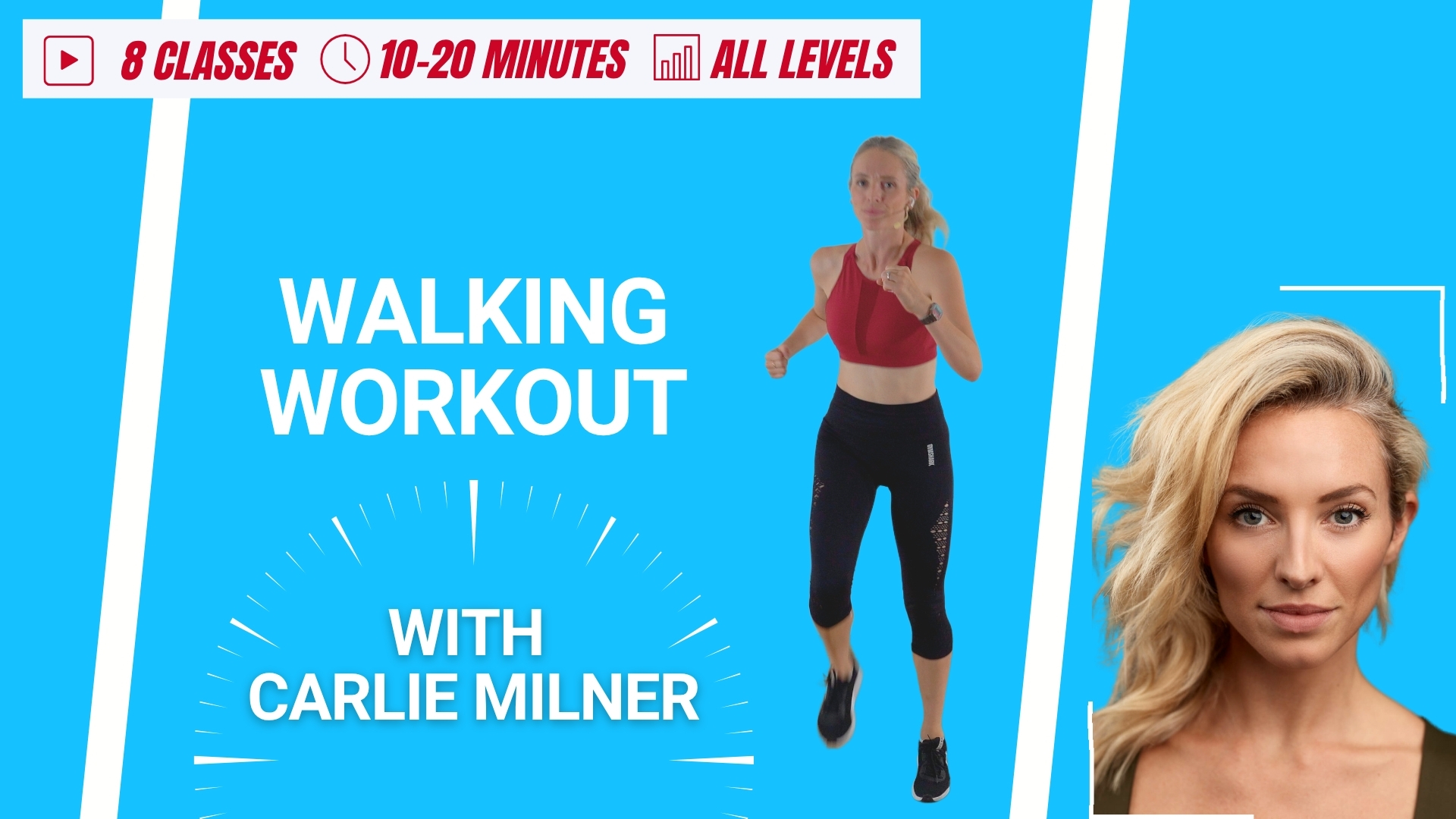
Walking Workout
with Carlie
We kicked off the year with a feel-good walking workout. This low-impact programme is ideal for beginners, older adults, or anyone looking to move more without added strain on the joints.
February
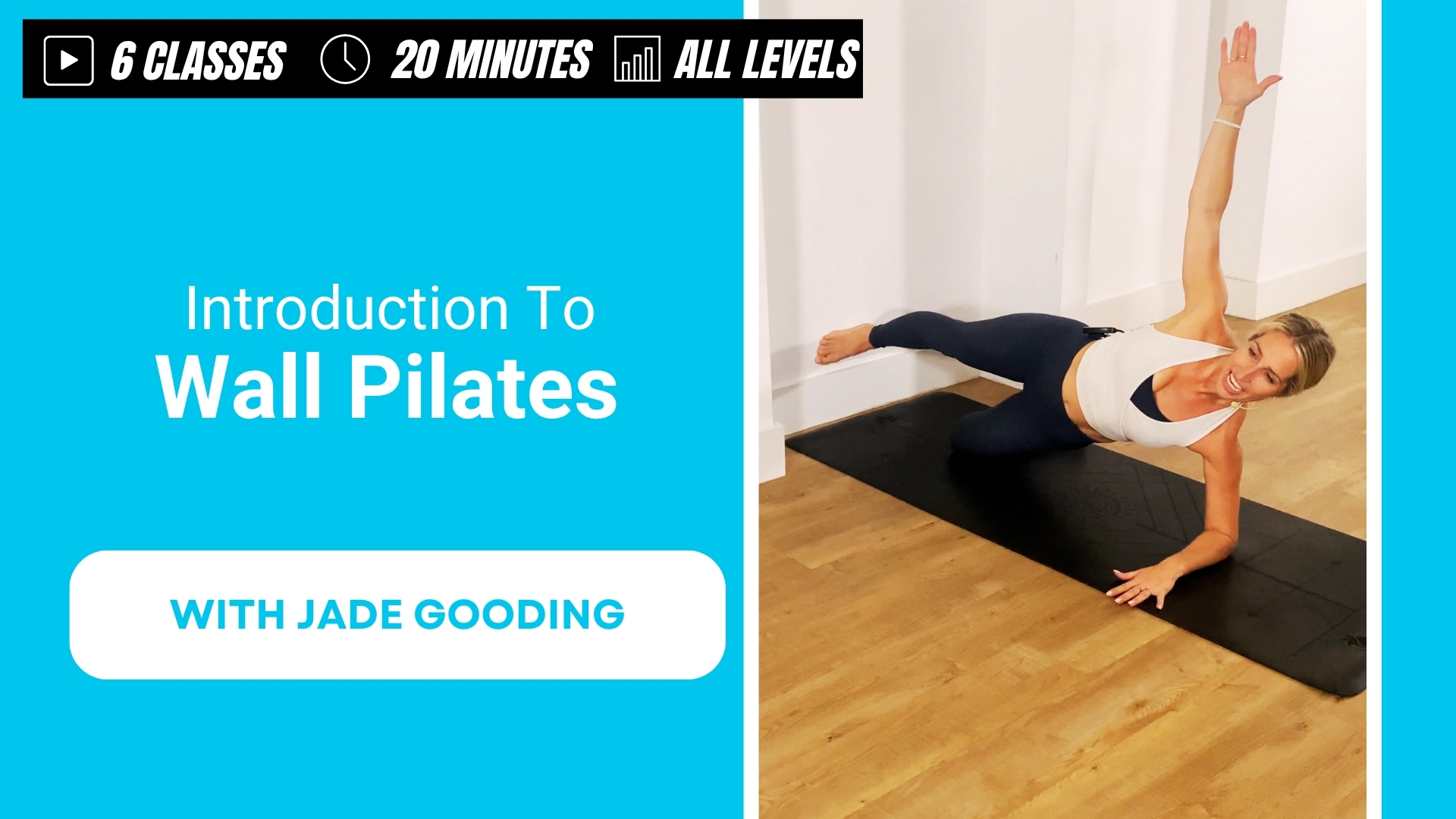
Introduction to Wall Pilates
with Jade
In February, we introduced a fresh twist on Pilates using the wall for support, alignment, and improved core activation. It’s a brilliant entry point for anyone new to Pilates or working on form.
March
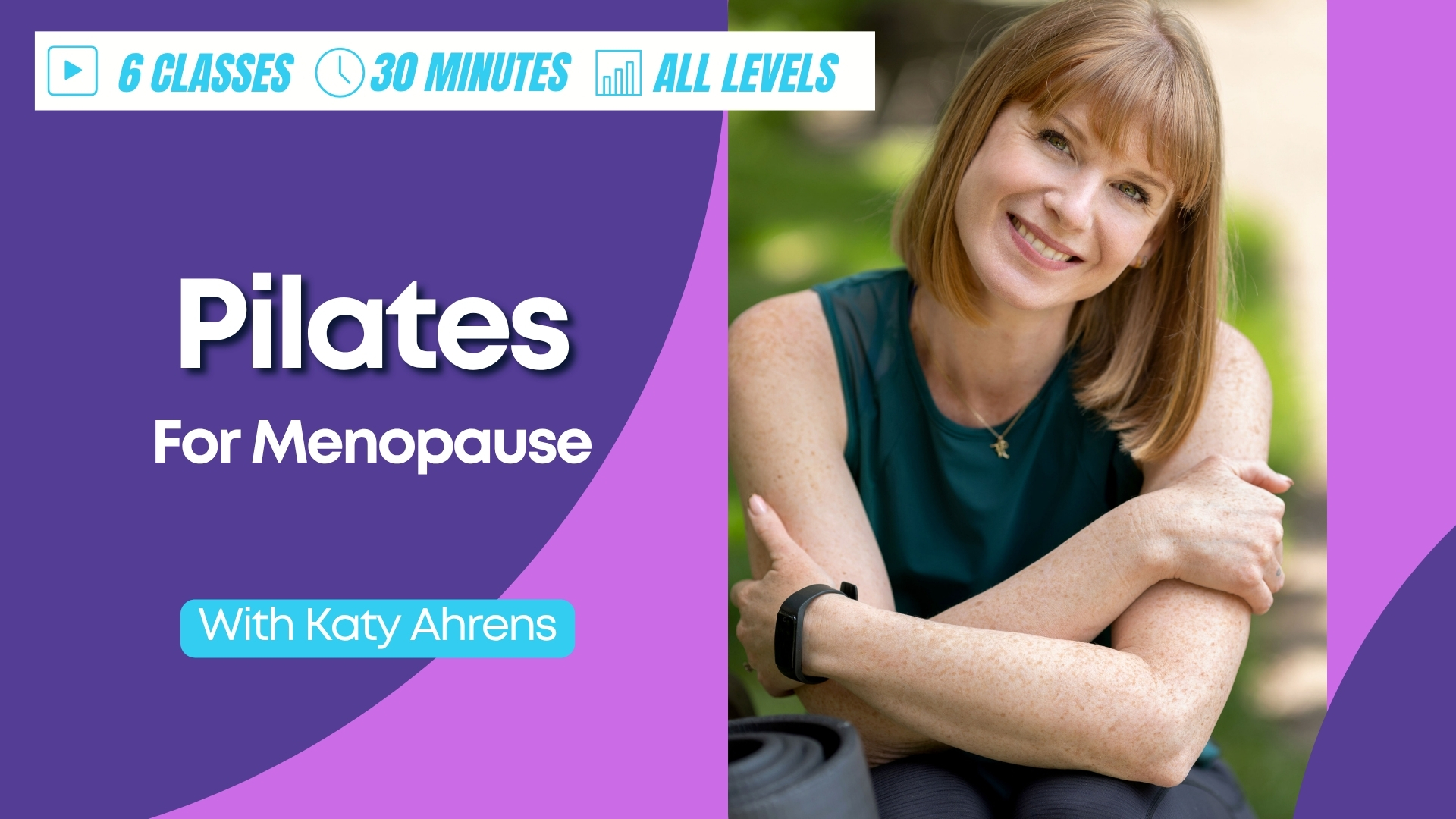
Pilates for Menopause
with Katy
March brought a calm yet powerful series designed specifically to support hormonal health, boost mobility, and increase movement confidence during all stages of menopause.
April
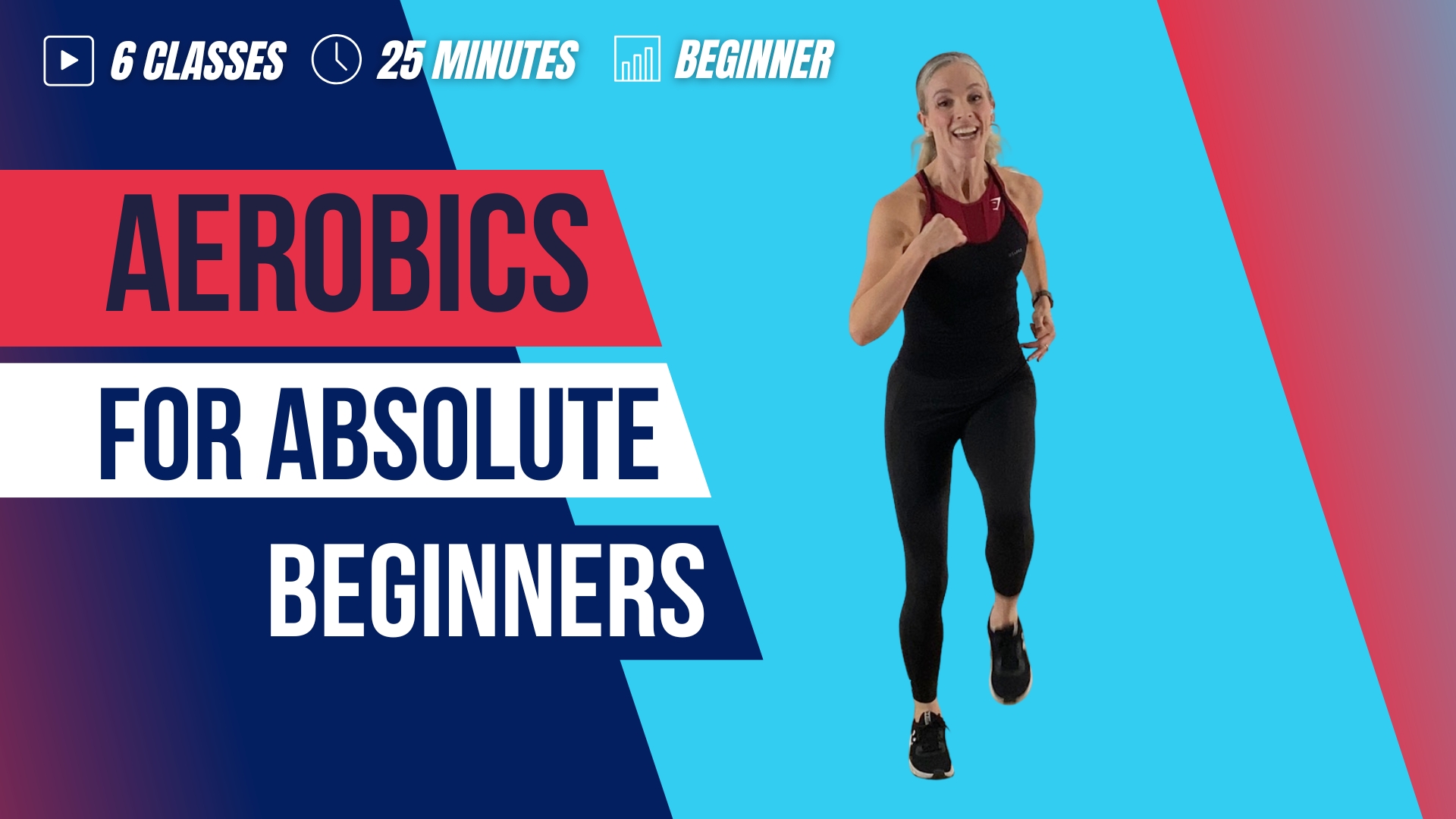
Absolute Beginners Aerobics
with Carlie
In April, we went back to basics with a fun, upbeat programme that makes cardio accessible to everyone — no dance skills required!
May
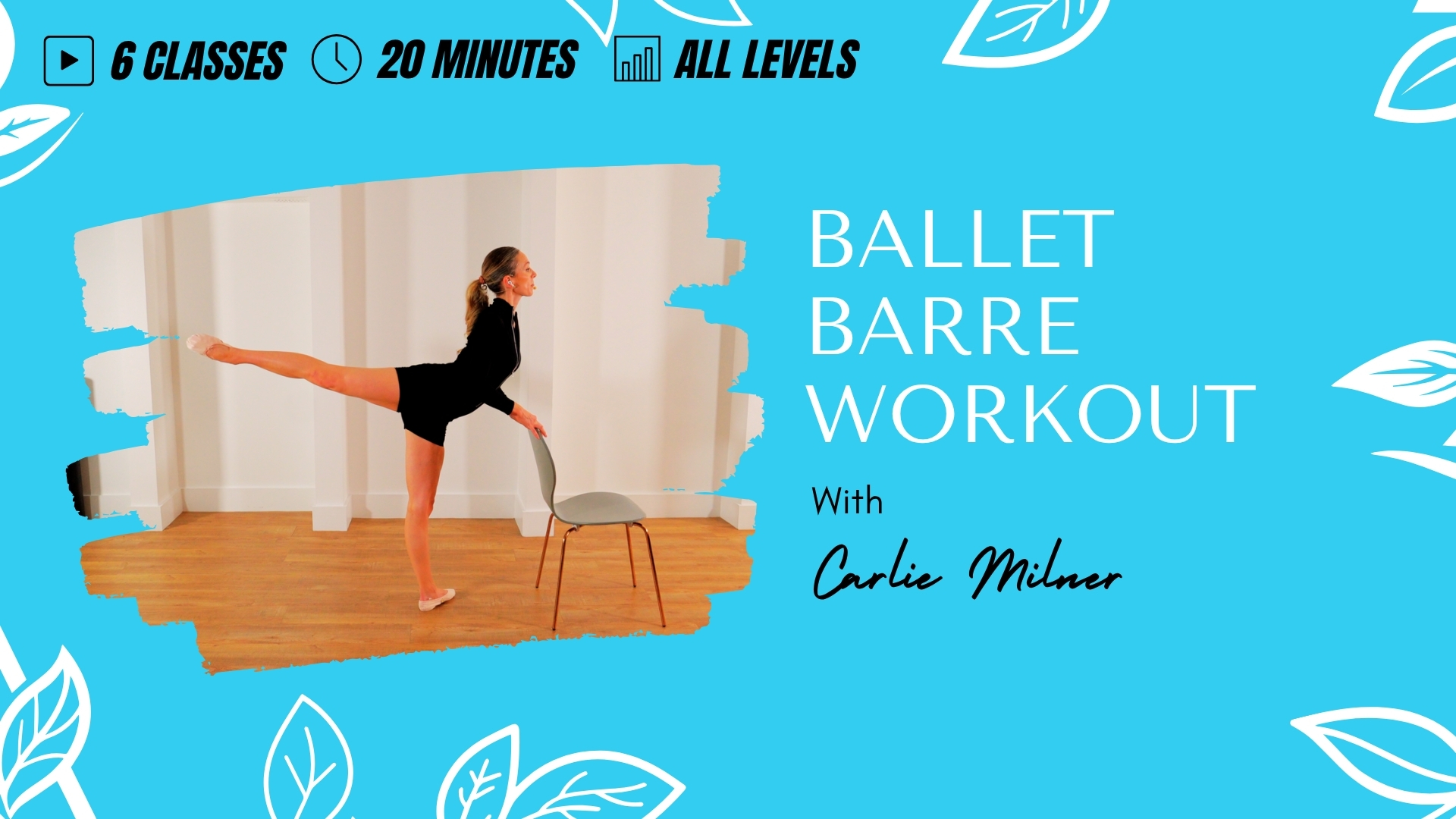
Ballet Barre Workout
with Carlie
As spring rolled in, we added a graceful yet strengthening barre-inspired series. This one focuses on posture, balance, and core control with a gentle ballet twist.
June
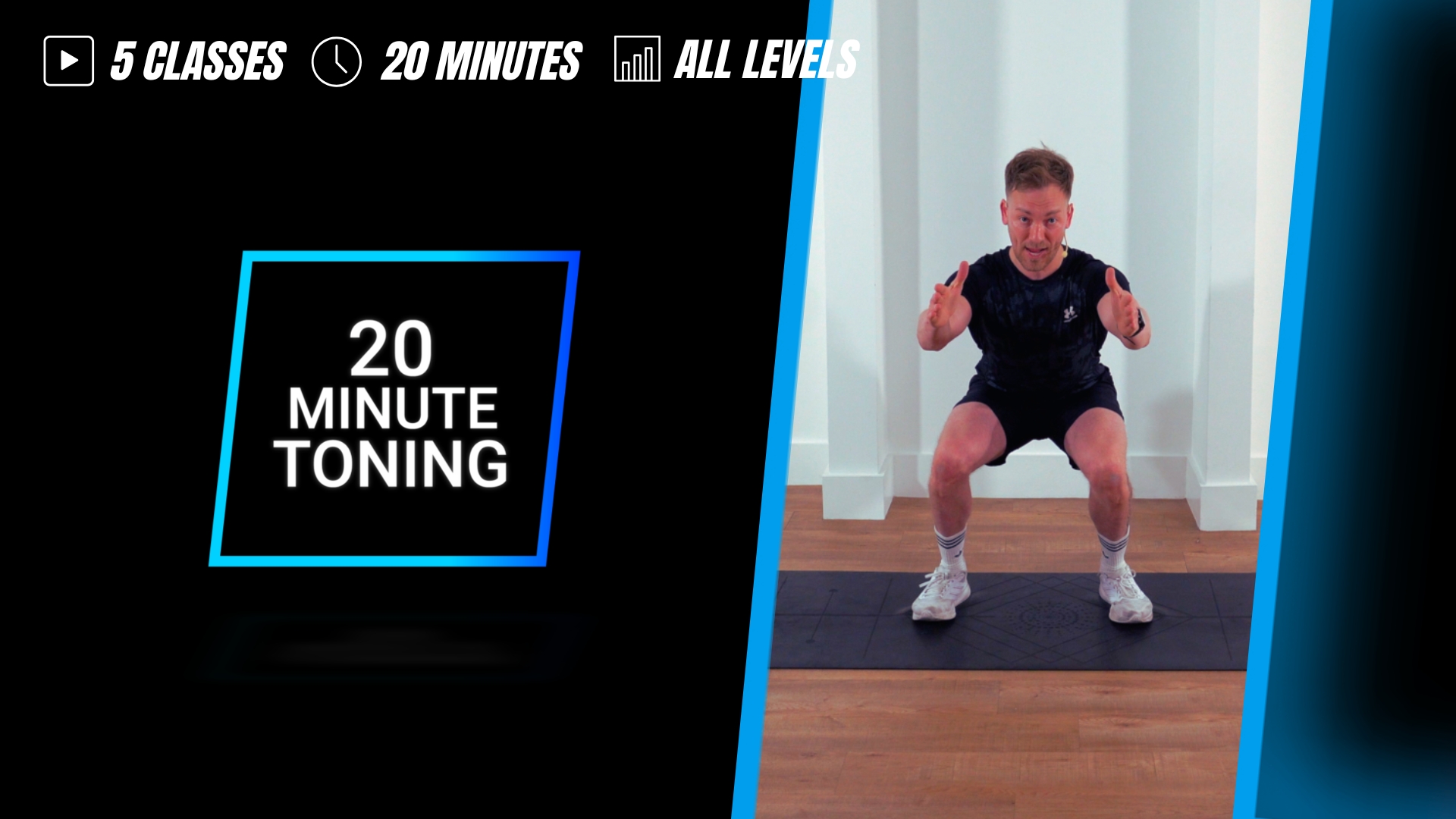
20 Minute Toning
with Austin
Short on time? This series delivered quick, effective bodyweight workouts with no equipment needed. Each 20-minute session focused on toning, sculpting, and getting results fast.
July
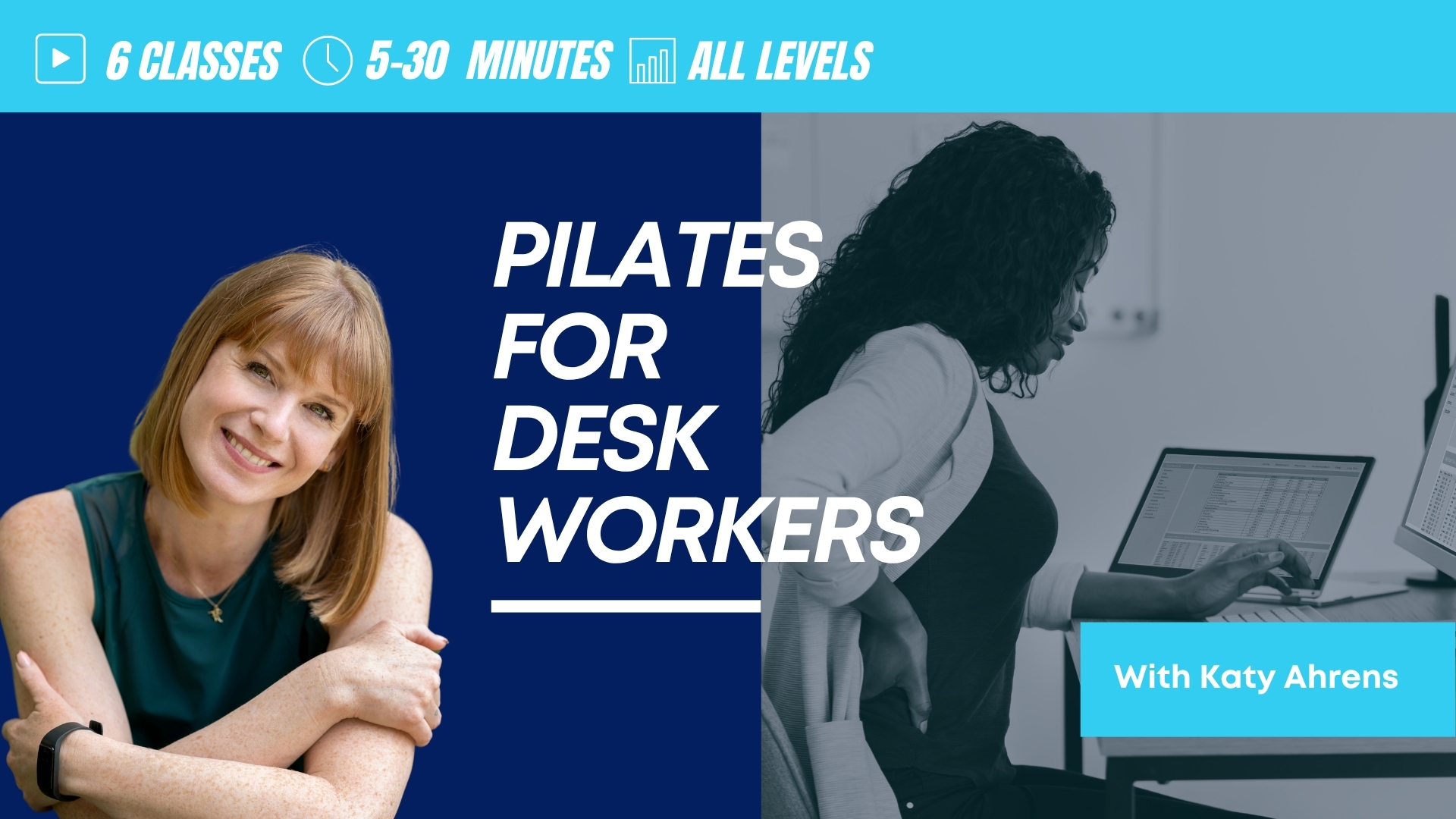
Pilates for Desk Workers
with Katy
Mid-year, we shifted the focus to posture and desk-friendly movement with a Pilates programme designed to undo hours of sitting and improve spinal alignment.
August
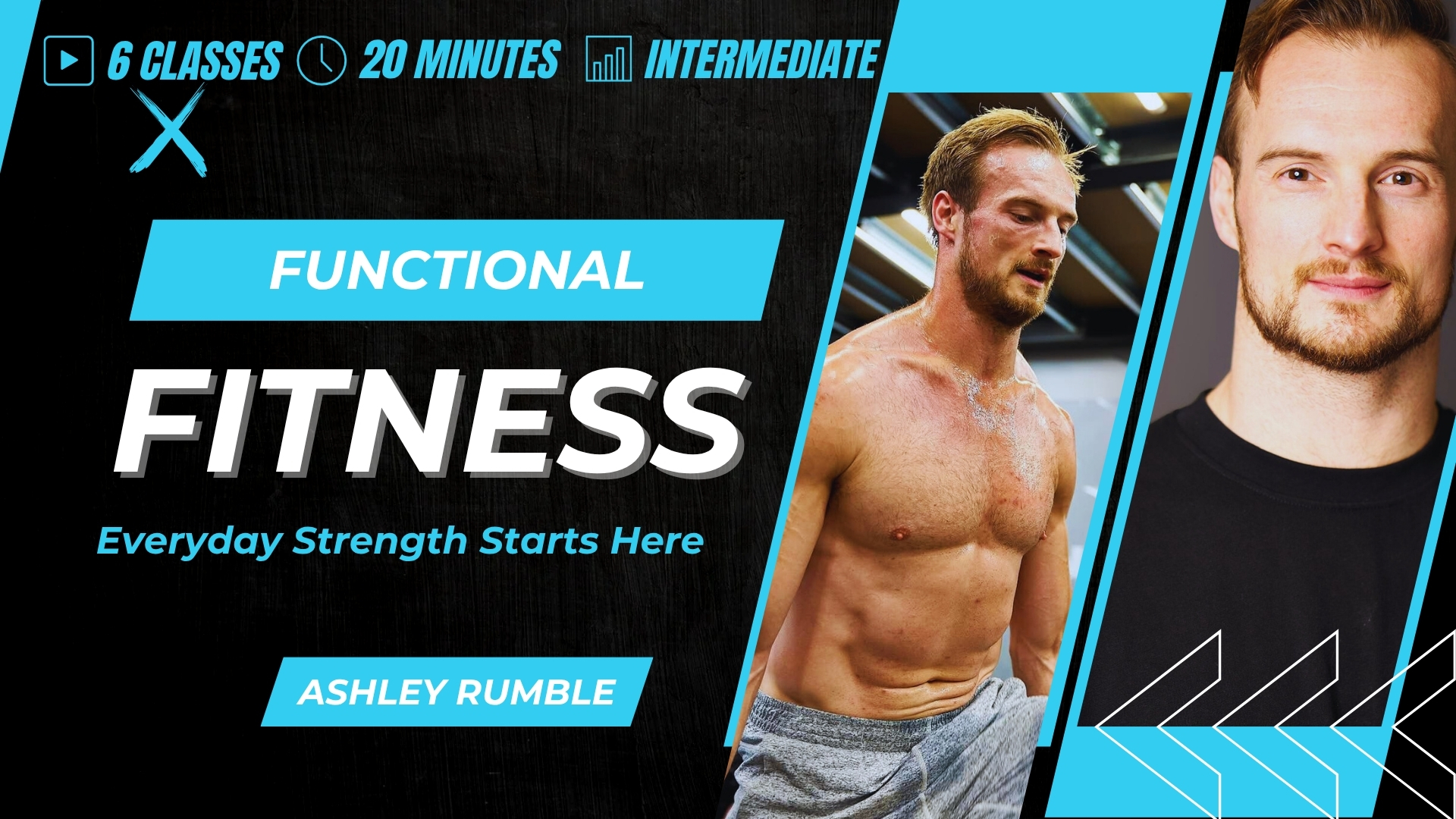
Functional Fitness
with Ashley
August turned up the heat with this CrossFit-style, high-intensity programme. Designed to improve everyday strength and movement, it’s perfect for those ready to train with purpose and push their limits.
September
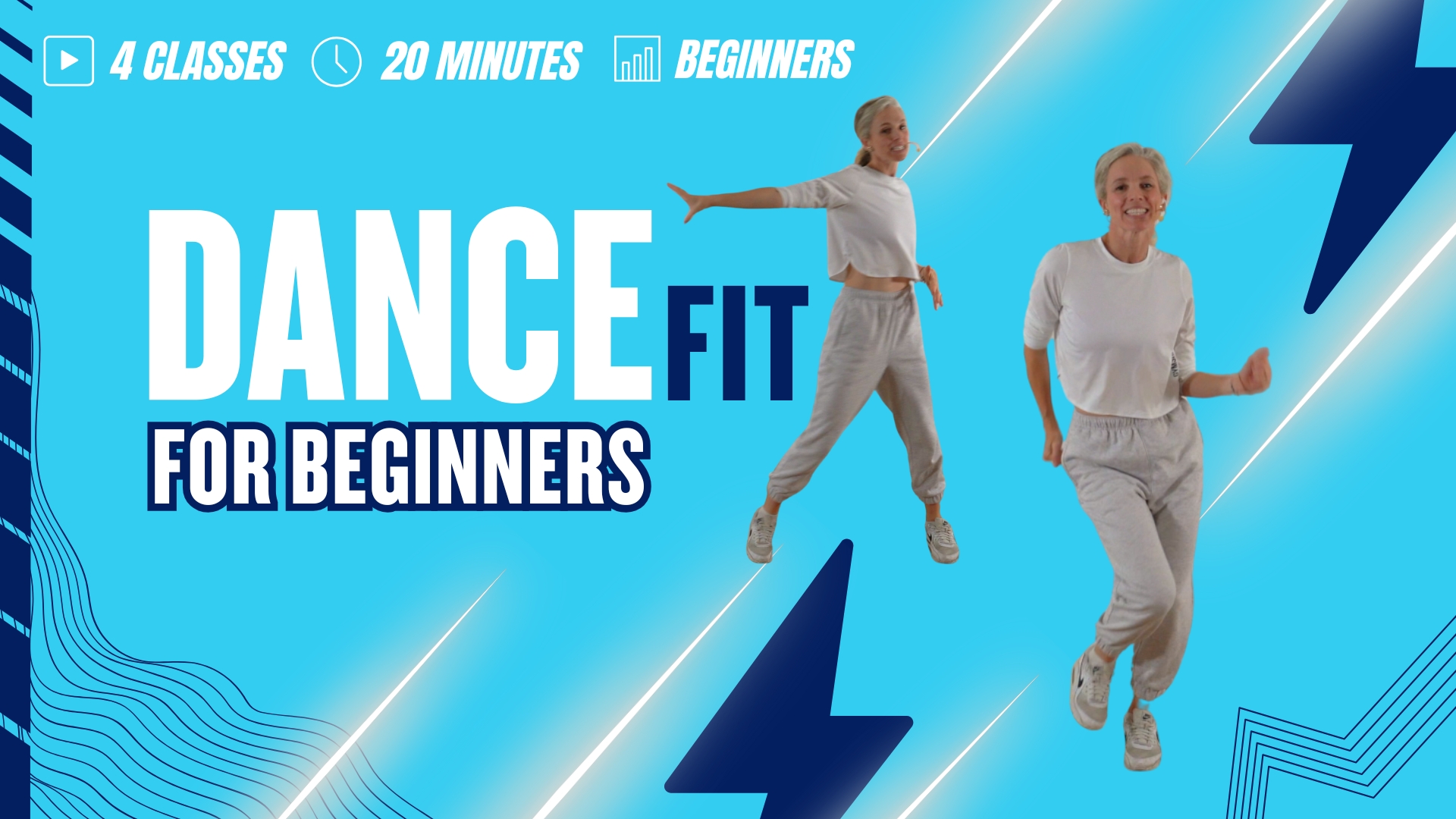
DanceFit for Beginners
with Carlie
September gave us an energy boost with an uplifting cardio dance programme that’s all about joy, movement, and feeling good while getting fitter.
October
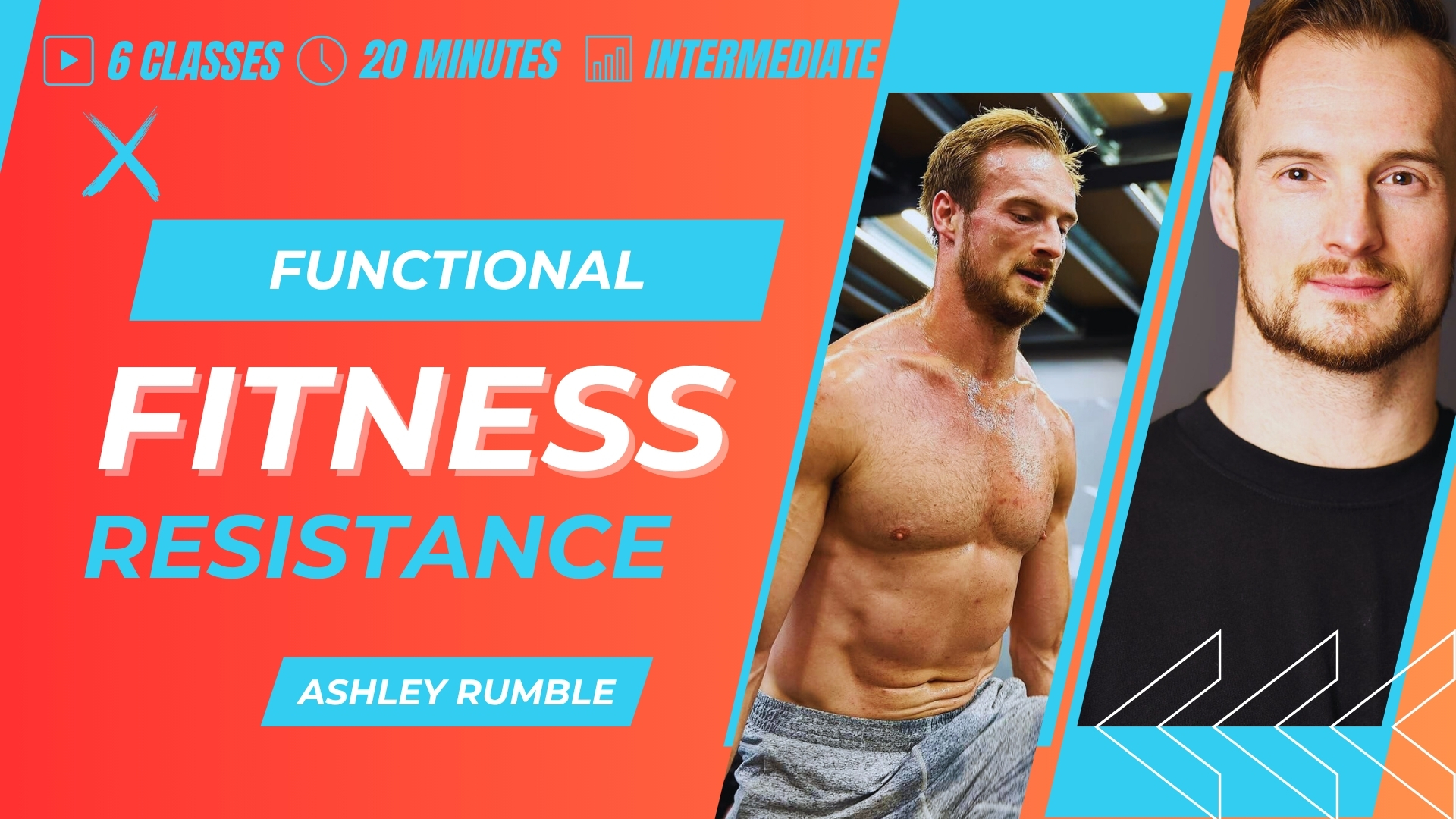
Functional Fitness Resistance
with Ashley
As we stepped into autumn, we levelled up Functional Fitness with a new resistance edition. Using dumbbells and bands, this follow-up series builds strength, endurance, and stability through progressive overload.
November
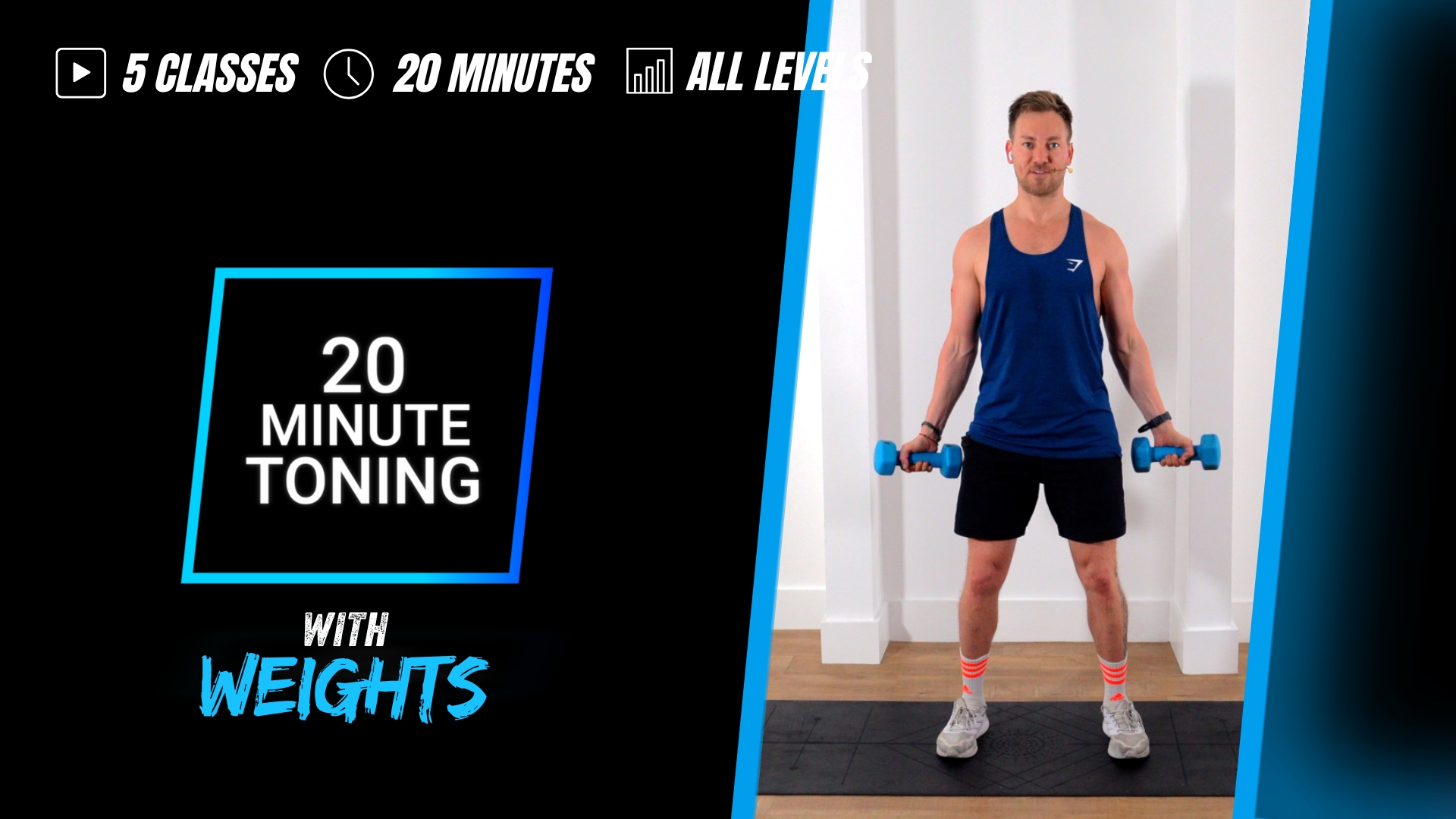
20 Minute Toning with Weights
with Austin
November kept things efficient with a dumbbell-focused series perfect for sculpting and toning in just 20 minutes. A great follow-up if you’ve completed the bodyweight version!
December
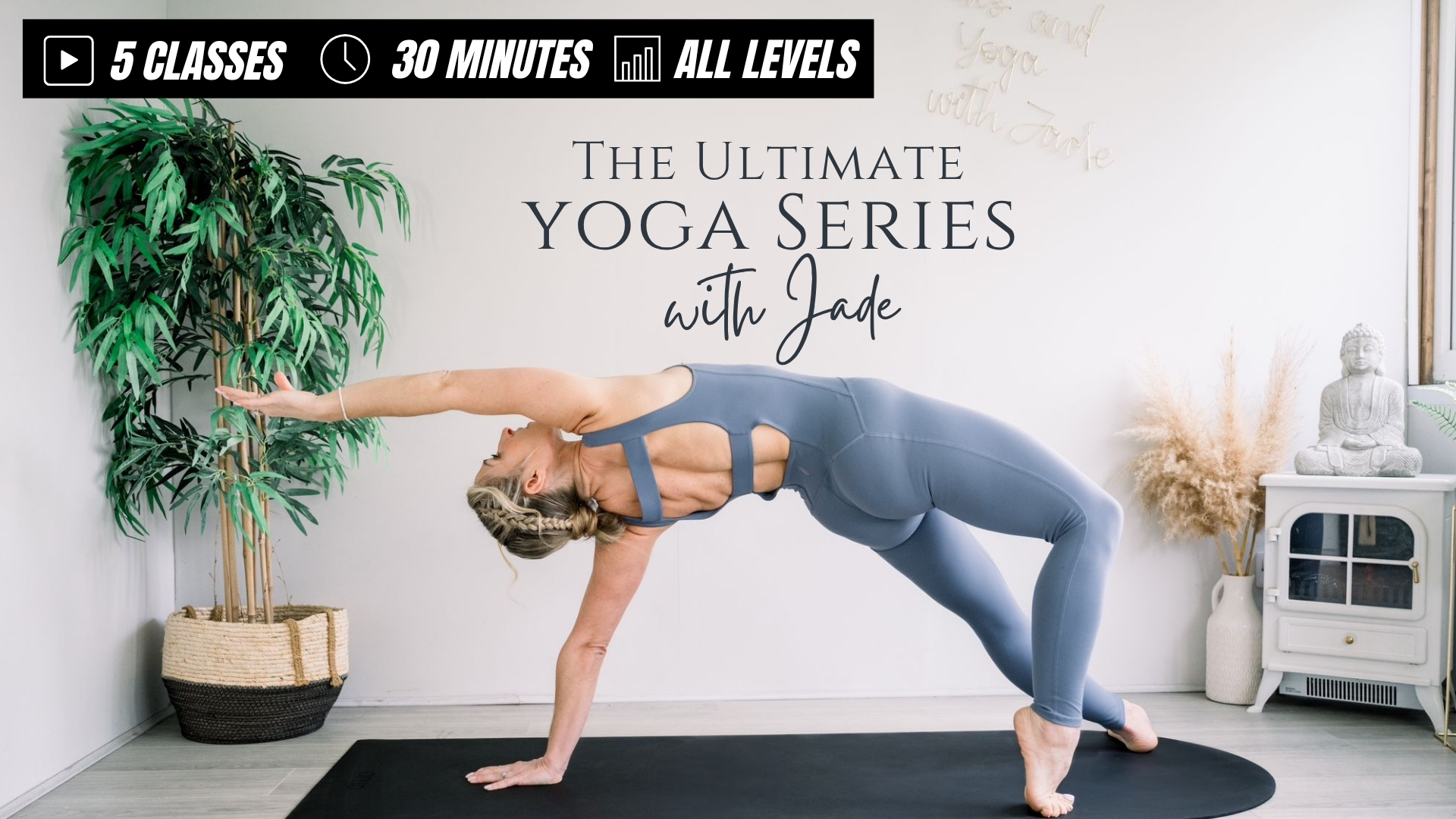
The Ultimate Yoga Series
with Jade
And finally, we’re closing out the year with something special. This five-part yoga series explores Hatha, Vinyasa, Power, Yin, and Restorative styles to help you reconnect, rebalance, and reflect. Early access is available now!
Ready to Try Something New?
All of these programmes are available right now on our new website on www.instructorlive.com, and we’d love for you to explore them. Whether you’re ready to start from the beginning or jump into something more advanced, there’s a full year of content waiting for you.
We can’t wait to see what 2026 brings. But for now, there’s never been a better time to press play.
Want to try some of the classes for free? Head to our YouTube channel to try a class from all of these programmes here
When it comes to choosing the right fitness routine, one question comes up time and time again: low-impact vs high-impact workouts – which is best? And while it might sound like you have to pick one or the other, the truth is far more flexible.
High-impact workouts often steal the spotlight with their fast pace and calorie-torching benefits. But low-impact training, think Pilates, walking, and strength without jumping, can be just as effective, especially if your goals include long-term consistency, joint health, and overall mobility.
Whether you’re just getting started, recovering from injury, or simply want to move smarter (not harder), it’s worth exploring the pros and cons of both. In this blog, we’ll break down what each type of workout really means, when you should do them, and how to find the balance that works for your body and your goals.

What Are High-Impact Workouts?
High-impact workouts are those that involve both feet leaving the ground at the same time, like jumping jacks, running, burpees, or squat jumps. These types of exercises put more stress on your joints, but they also increase your heart rate quickly and help build bone density.
They’re great for:
Improving cardiovascular fitness
Burning calories quickly
Increasing power and agility
Strengthening bones and joints over time
However, they’re not for everyone. If you’re dealing with joint pain, recovering from injury, or just prefer a gentler approach, high impact may not be the most sustainable choice every day.
What Are Low-Impact Workouts?
Low impact doesn’t mean low intensity. These workouts are easier on your joints, but they can still deliver serious results. Examples include Pilates, walking, cycling, strength training without jumping, resistance band workouts, and swimming.
They’re ideal if you’re:
New to exercise
Managing an injury
Looking for a sustainable routine
Focused on mobility, strength, and flexibility
Working out regularly and want to avoid burnout
Low-impact training helps you stay consistent, and that’s one of the most important ingredients for long-term fitness success.
So, Which One Should You Choose?
Honestly? You don’t have to choose.
Both low and high-impact workouts have their place in a well-rounded routine. The key is understanding when and how to use them to your advantage.
If your goal is fat loss:
High-impact workouts can help burn more calories quickly. But combining them with low-impact strength sessions gives you the best of both worlds — cardio + muscle building.
If your goal is mobility and joint health:
Low impact is your friend. Programmes like Wake Up Workout or Wall Pilates are perfect for this.
If you’re recovering from injury:
Stick with low impact to allow your body to rebuild safely, and chat with your doctor or physio before progressing.
If you’re short on time but want intensity:
Try high-impact bursts — like Functional Fitness or 20-Minute HIIT — mixed with low-impact sessions on alternate days.
Find the Right Balance for You
A smart weekly plan might look like this:
Monday: Low-impact Pilates
Tuesday: High-impact cardio or HIIT
Wednesday: Strength training (low impact)
Thursday: Rest or gentle walk
Friday: Mixed cardio and resistance
Saturday: Yoga, mobility or stretch session
Sunday: Rest
This kind of rotation gives your joints time to recover while still keeping your fitness levels moving forward.
Try Both With InstructorLive
We’ve got plenty of low and high-impact workouts ready to go — all led by our expert instructors, and designed to suit every level.
Check out:
Mix and match them to suit your goals, mood, and energy each week. That’s the beauty of online workouts — you’re in control.
✨
Final Thoughts
There’s no single “best” type of workout — only what works best for you. Low-impact isn’t just for beginners, and high-impact doesn’t always mean better results. The real magic happens when you listen to your body, stay consistent, and build a routine that works around your life.
And remember: movement is movement. Whether you’re jumping, stepping, stretching or lifting, it all counts.
Let’s face it, weeknights can be chaos. Between work, family, life admin, and trying to squeeze in a workout, figuring out what’s for dinner often feels like the final straw. That’s exactly why we’re big fans of slow cooker meals. You throw everything in, get on with your day, and come back to a delicious, home-cooked dinner without the stress. But here’s the best part: slow cooker meals aren’t just easy… they can be really healthy too. So, if you’re looking for nutritious dinners that basically cook themselves while you get on with life, keep reading. These slow cooker ideas are simple, affordable, and packed with flavour. Let’s make healthy eating one less thing to worry about. Here are Healthy Slow Cooker Recipes for Easy Weeknight Dinners.

Why We Love Slow Cooker Meals
There’s something magical about walking into the kitchen and smelling dinner already done.
Slow cookers help you:
Save time ⏰
Save money (hello, batch cooking!)
Reduce stress ✅
Make healthier food choices
Plus, because they cook at low temperatures over a longer time, they’re perfect for preserving nutrients and tenderising lean meats and fibrous veggies — making everything taste amazing without needing loads of oil, salt or butter.
Healthy Slow Cooker Recipes to Try
Here are 4 easy, delicious, and healthy slow cooker ideas to add to your meal plan this week.
1.
Slow Cooker Chicken & Sweet Potato Stew
A comforting one-pot wonder that’s high in protein, rich in beta-carotene, and super satisfying.
Ingredients:
2 chicken breasts (diced)
2 sweet potatoes (cubed)
1 onion, chopped
2 garlic cloves
1 can chopped tomatoes
1 tsp paprika, salt, pepper
1/2 tsp chilli flakes (optional)
Instructions:
Add everything to your slow cooker, stir, and cook on low for 6–7 hours or high for 3–4 hours. Done.
2.
Veggie-Packed Lentil Curry
Warming, high in fibre, and naturally plant-based. This is a real midweek winner.
Ingredients:
1 cup red lentils (rinsed)
1 tin coconut milk (light or full-fat)
1 tbsp curry powder
1/2 tsp turmeric
2 chopped carrots
1 courgette, chopped
1 onion, chopped
2 handfuls of spinach (add at the end)
Instructions:
Cook everything except spinach on low for 6 hours. Stir in spinach at the end. Serve with rice or naan.
3.
Slow Cooker Beef & Bean Chilli
A hearty, high-protein option with a spicy kick — perfect for meal prep.
Ingredients:
400g lean beef mince
1 can of kidney beans
1 can chopped tomatoes
1 onion, diced
1 red pepper, chopped
1 garlic clove, crushed
1 tbsp cumin & 1 tbsp smoked paprika
Instructions:
Brown the mince first if you can, then add everything to the slow cooker and let it go for 6–8 hours on low. Serve with brown rice or a jacket potato.
4.
Tomato, Basil & White Bean Soup
Light, fresh, and ideal for a speedy lunch or light dinner.
Ingredients:
2 cans chopped tomatoes
1 can cannellini beans
1 small onion, diced
2 garlic cloves
1 tsp dried basil or Italian herbs
Salt & pepper
Instructions:
Add to the slow cooker and cook on low for 4 hours. Blend if you like it smooth. Delicious with a slice of wholegrain toast
Slow Cooker Tips for Success
Don’t overfill it. Leave some room for steam to circulate.
Layer wisely. Hard veggies (like potatoes and carrots) go at the bottom. Softer ingredients or herbs go on top.
Add greens last. Spinach, peas or kale can go in at the end so they don’t turn mushy.
Final Thought
Whether you’re a busy parent, a shift worker, or just someone who wants to eat well without spending hours in the kitchen, slow cooker recipes are a game-changer.
They help you stay on track with your healthy habits, even when life is hectic.
So why not give one a try this week? Your future self (and your taste buds) will thank you.
Read our blog – Easy Swaps For Healthy Comfort Food
Listen to the latest episode of The InstructorLive Podcast – Creatine Explained
If you loved our original Functional Fitness programme, you’re going to want to get stuck into this next chapter. Functional Fitness Resistance is the second instalment in Ashley Rumble’s high-energy series, and this time, we’re turning up the intensity. With the smart addition of dumbbells and resistance bands, these workouts are all about levelling up your strength, stability, and endurance. The format stays the same with short, effective, and no-nonsense workouts, but now with a powerful edge. Whether you’re aiming to build muscle, improve everyday movement, or just feel fitter in your own skin, this new programme gives you the tools to do it. And what’s best is, you can do it all from the comfort of your home.
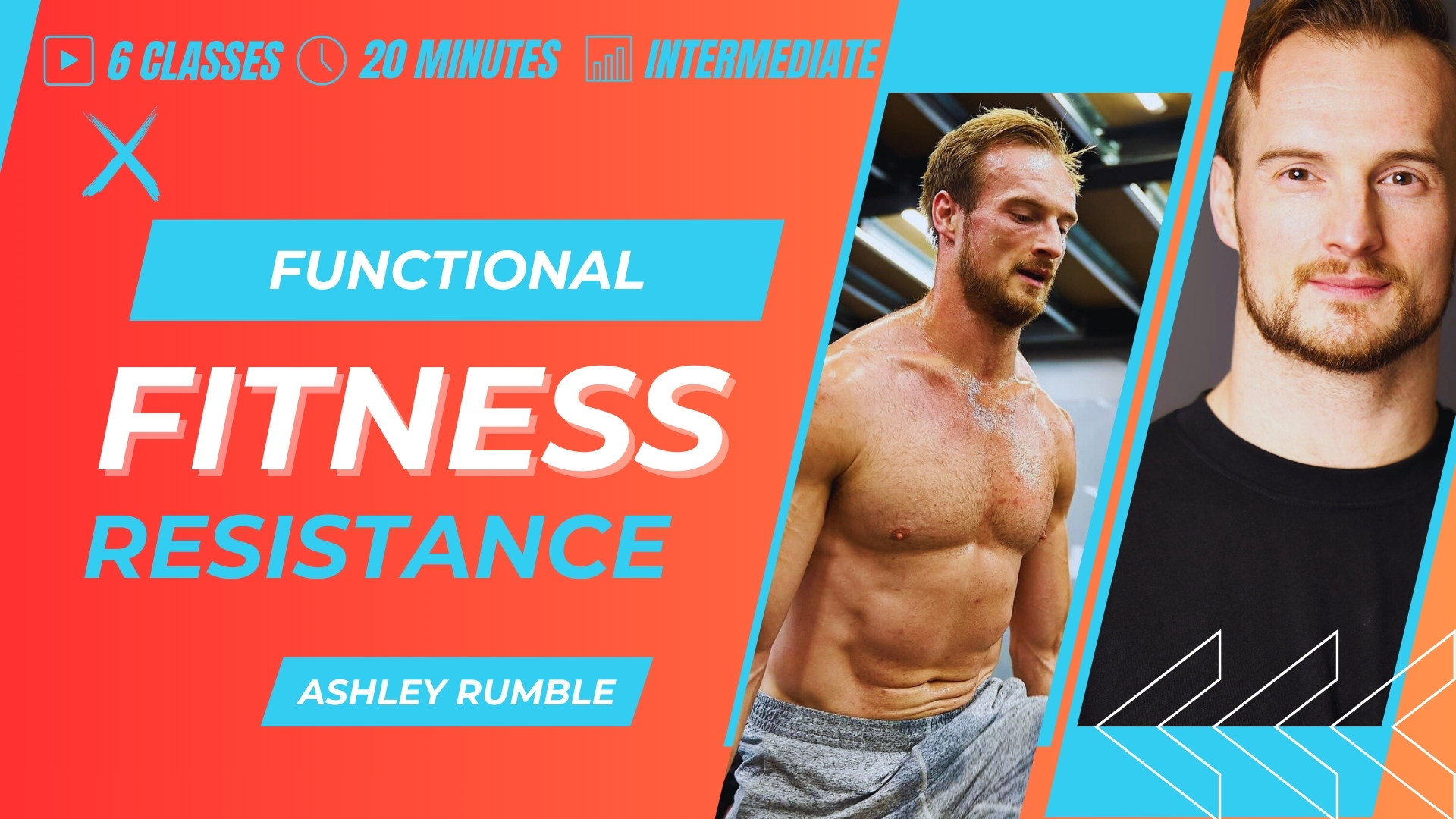
What Is Functional Fitness Resistance?
This series is all about building real-life strength using functional training techniques, but now with added resistance. That means more focus on compound movements (think squats, lunges, presses) that work multiple muscle groups at once, helping you get stronger, more stable, and better prepared for whatever life throws at you.
We’re taking the same tried-and-tested structure from Series 1 and adding resistance to increase the challenge. It’s a smart way to progress, especially if you’re looking to:
✅ Boost strength
✅ Improve movement quality
✅ Enhance posture & balance
✅ Reduce your injury risk
✅ Feel more energised and confident day to day
What To Expect from the Programme
6 workouts designed for intermediate to advanced fitness levels
Each class is 15–25 minutes
Uses dumbbells (e.g. 3kg–5kg) and resistance bands
Includes strength, mobility, and full-body conditioning
Led by Ashley Rumble – high energy, expert guidance, no fluff
Every session is programmed to progressively challenge your body while still being accessible for at-home training.
Meet the Trainer: Ashley Rumble
If you’ve already joined us for the first series, you’ll know Ashley brings motivation, clear instruction, and a down-to-earth energy that makes you want to keep showing up. With a background in functional fitness and movement coaching, he’s passionate about helping people move better, feel stronger, and train with purpose — not just aesthetics.
“Functional fitness helps you perform better in the real world — and resistance training takes that to the next level. It’s about building a body that works for your life.” – Ashley
Try It First: Free Class on YouTube
Want to get a feel for the programme before diving in?
Check out our free class on YouTube to get a taste of the resistance-based functional training style. It’s fast-paced, beginner-friendly (with plenty of challenge!), and a great way to see how it fits into your fitness routine.
Final Thought
Functional Fitness Resistance isn’t just another workout plan; it’s a real progression. You’ve built the base, now it’s time to level up with resistance.
Get ready to challenge yourself, move better, and feel stronger, both in your workouts and your everyday life.
Read all about Ashley’s first programme for InstructorLive here: Functional Fitness