A Beginner’s Guide to Pilates
If you’re curious about Pilates but not quite sure where to start, you’re not alone. A beginner’s guide to Pilates is often exactly what people need when they want to build strength, improve mobility, or move more confidently without feeling overwhelmed.
Pilates is a low-impact form of exercise that focuses on controlled movement, posture, and core strength. It’s suitable for all ages and fitness levels, and one of its biggest strengths is how adaptable it can be to different bodies, abilities, and goals.
What Is Pilates and Why Is It So Popular?
Pilates works by strengthening the muscles that support your spine, hips, and joints. Rather than rushing through movements, sessions focus on control, alignment, and awareness.
As a result, many people find Pilates helps improve posture, balance, and flexibility, while also building strength in a way that feels supportive rather than exhausting. This makes it particularly popular for beginners, people returning to exercise, or anyone managing aches, stiffness, or injury concerns.
What to Expect as a Beginner
One of the most important things to know is that Pilates is not about pushing through pain. Movements are controlled, and you’re always encouraged to work within a range that feels comfortable for you.
As a beginner, you may notice that sessions feel slower than other workouts. That’s intentional. Pilates focuses on quality rather than quantity, which is why it
can be so effective over time.
You’ll also be guided to focus on breathing, posture, and engagement of the core muscles, all of which help support safer movement.
Choosing the Right Pilates Programme for You
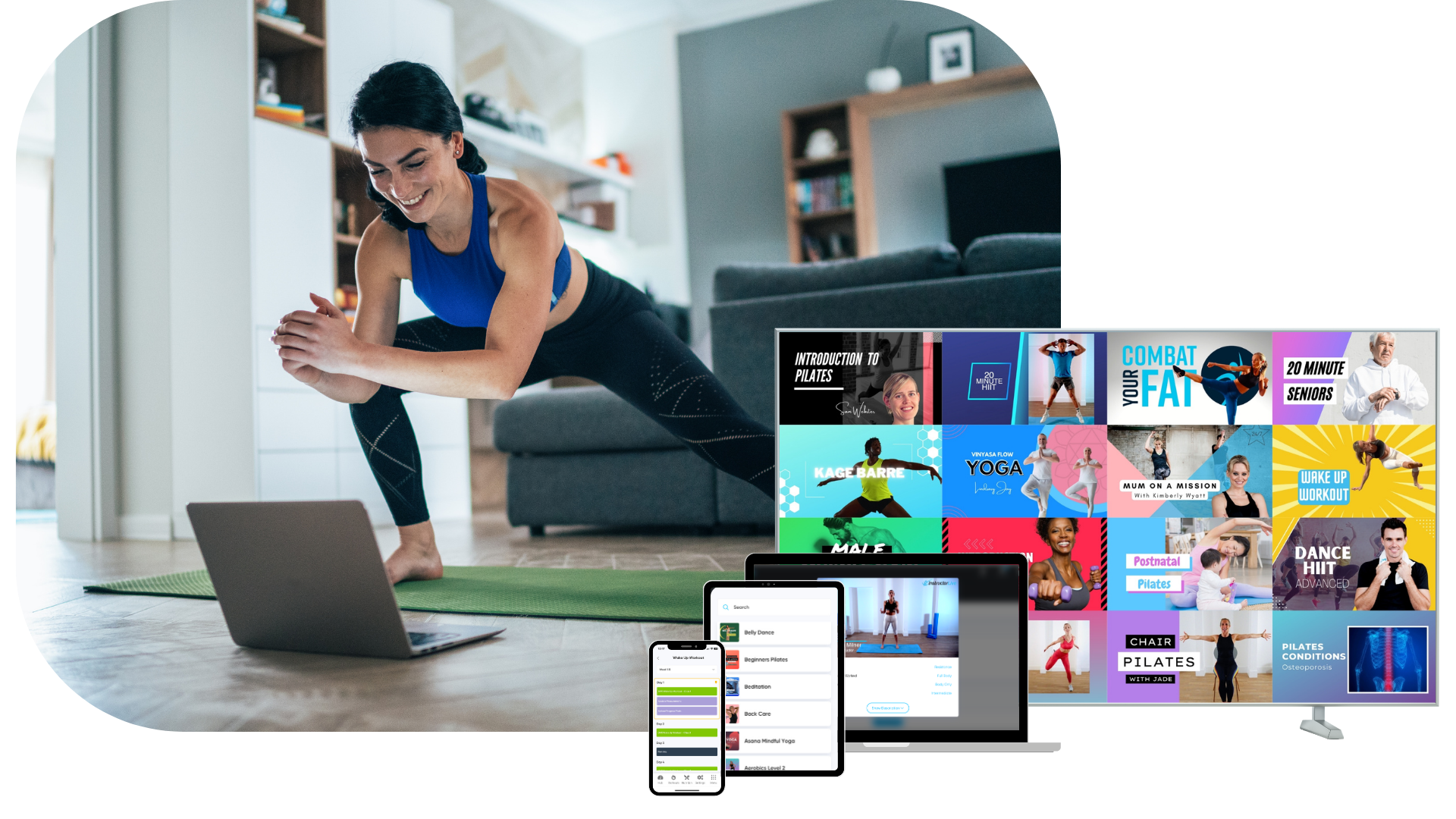
One of the great things about InstructorLive is that there are Pilates programmes designed for different needs. Here are a few good places to start, depending on what you’re looking for.
If you’re completely new to Pilates
This is a great foundation programme that introduces the basics of Pilates, including core engagement, breathing, and controlled movement.
If you’re dealing with lower back pain
This programme focuses on building strength and stability around the spine in a supportive, controlled way.
If you want extra s
upport or confidence
Wall Pilates uses the wall for balance and feedback, which many beginners find reassuring and accessibl
e.
If you’re ready to add gentle resistance
Resistance bands help increase strength while still keeping movements low-impact and controlled.
If you’re looking for joint-friendly or age-supportive movement
Designed to support strength, balance, and mobility in a safe and approachable way.
If you need a more targeted approach
A focused programme designed to improve hip strength and mobility, ideal if you experience stiffness or discomfort. This programme is also recommended for people suffering from Knee pain or experiencing knee problems due to tightness in the hips.
How Often Should Beginners Do Pilates?
As a general guide, two to three sessions per week is a great place to start. Consistency matters far more than intensity.
It’s also important to allow your body time to adapt. Pilates can work muscles i
n a way that feels subtle at first, but those changes build steadily over time.
A Beginner’s Guide to Pilates Is About Progress, Not Perfection
Perhaps the most important thing to remember is that Pilates is not about doing everything perfectly. It’s about building awareness, strength, and confidence gradually.
Whether your goal is improving posture, supporting injury recovery, or simply moving more comfortably, a beginner’s guide to Pilates starts with choosing a programme that feels manageable and enjoyable.
The Takeaway
Pilates is one of the most versatile and accessible forms of exercise available. By starting gently and choosing the right programme for your needs, you can build a routine that supports your body long term.
If you’re new to Pilates or returning after a break, there’s no rush. Take things at your own pace, listen to your body, and let consistency do the work.
Learn more about the history of Pilates in this blog: Pilates for Beginners: How to Get Started and What to Expect