How to Improve Your Stamina
Do you ever find yourself getting out of breath climbing the stairs, walking up a hill or carrying the shopping home? It’s easy to assume that improving your stamina means running long distances or pushing yourself through exhausting workouts. But building endurance doesn’t have to involve either. In fact, learning how to improve your stamina can be as simple as gradually increasing how much you move throughout the week.
Whether you’re returning to exercise, looking to improve your cardiovascular fitness or want everyday activities to feel a little easier, there are plenty of ways to get started.

What Is Stamina?
Stamina is your ability to sustain physical activity over time without becoming excessively tired.
When we talk about cardiovascular stamina, we’re referring to how effectively your heart, lungs and circulatory system work together to deliver oxygen to your muscles during activity.
The better your cardiovascular fitness, the more comfortably you may be able to manage activities such as brisk walking, cycling or climbing stairs.
And the good news is that stamina can improve at almost any age.
1. Start With Walking
Walking is one of the simplest ways to begin improving your stamina.
You don’t need specialist equipment, a gym membership or a complicated training plan. You simply need to find a pace and distance that feels manageable.
If you’re relatively inactive, start with a comfortable 10-minute walk and gradually build from there.
As your fitness improves, you could increase your walking time, pick up the pace or introduce a few gentle hills.
You can also use indoor walking workouts when the weather isn’t particularly inviting.
The key is to make gradual progress rather than trying to do too much in your first week.
2. Increase Your Activity Gradually
One of the biggest mistakes people make when trying to improve their fitness is doing too much too quickly.
It’s understandable. When motivation strikes, it’s tempting to throw yourself into a new routine.
However, suddenly increasing the duration or intensity of your workouts can leave you feeling exhausted and make it harder to maintain consistency.
Instead, focus on small, manageable improvements.
Perhaps you start with 15 minutes of exercise and gradually work towards 20 or 25 minutes. Or maybe you maintain the same duration but increase the pace slightly as you become fitter.
These changes might seem small, but they can add up over time.
3. Try Low-Impact Cardio
You don’t have to run or jump to challenge your cardiovascular system.
Low-impact aerobics, indoor walking workouts, cycling and dancing can all help raise your heart rate while keeping impact relatively low.
And low-impact doesn’t necessarily mean low-intensity.
By moving continuously, increasing your pace or adding arm movements, you can make a workout more demanding without needing to jump.
This makes low-impact cardio a useful option for people who prefer gentler movements or want an alternative to running.
4. Use Intervals to Build Endurance
Interval training might sound intimidating, but it doesn’t have to involve sprinting or high-intensity exercise.
It simply means alternating periods of more challenging activity with periods of easier movement.
For example, during a walk you could try:
- 2 minutes at a comfortable pace
- 1 minute walking slightly faster
- Repeat five times
As your stamina improves, you might gradually increase the faster sections or reduce the time spent at the easier pace.
You should still be able to control your breathing, and the more challenging intervals should feel appropriate for your current fitness level.
5. Don’t Forget Strength Training
Although cardiovascular exercise is particularly important for improving endurance, strength training also has a role to play.
Stronger leg muscles, for example, can make everyday movements such as climbing stairs, walking uphill and getting up from a chair feel more manageable.
Strength training can also help you maintain muscle mass and physical function as you get older.
Combining cardiovascular exercise with regular strength training is therefore a useful approach to improving overall fitness.
6. Be Consistent Rather Than Exhausted
You don’t need to finish every workout completely exhausted to improve your stamina.
In fact, regularly pushing yourself too hard can make it more difficult to recover and stay consistent.
A useful way to judge moderate-intensity exercise is the talk test. You should generally be able to talk while exercising, although singing would be more difficult.
If you’re completely unable to speak comfortably, you may be working at a higher intensity.
For many people, particularly those returning to exercise, starting at a comfortable or moderate intensity and gradually progressing is a sensible approach.
Workouts to Improve Your Stamina
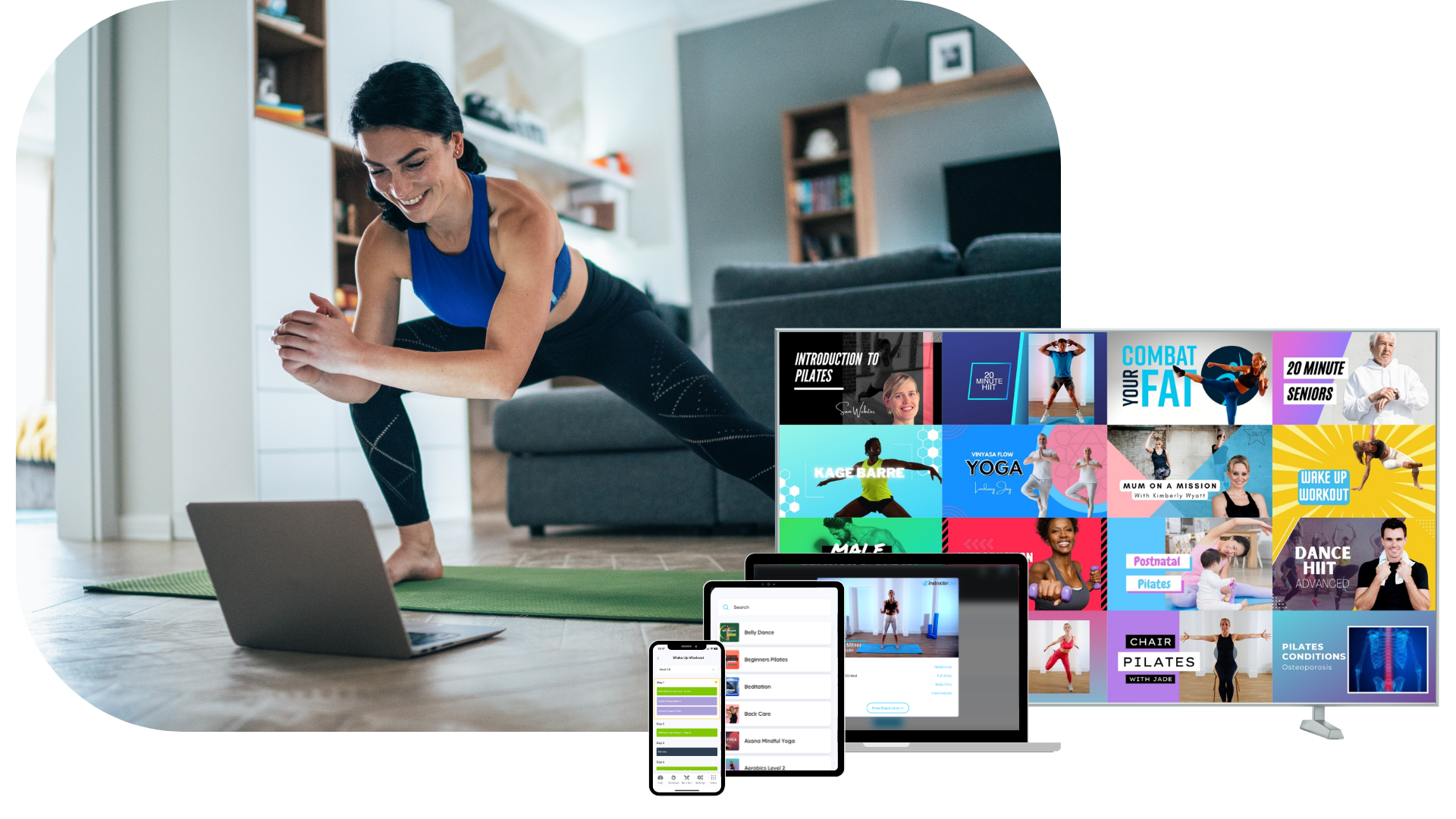
If you’re looking to improve your cardiovascular fitness at home, here are three InstructorLive programmes worth exploring.
Walking Workout with Carlie
A great starting point if you’re looking for accessible cardiovascular exercise.
With a selection of indoor walking sessions, this programme makes it easy to get moving without needing to head outdoors.
Aerobic Burn with Carlie
Ready for something a little more energetic?
Aerobic Burn features 24 aerobic workouts combining cardio, music and whole-body movement. It’s a great choice if you enjoy traditional aerobics and want to build your fitness through regular, energetic exercise.
DanceFit for Beginners with Carlie
If traditional workouts aren’t really your thing, why not try dancing?
DanceFit for Beginners features four 20-minute workouts combining movement and music in an enjoyable, accessible format.
It’s a fun way to introduce more cardiovascular activity into your routine while learning some new moves along the way.
Explore InstructorLive workouts
How Long Does It Take to Improve Stamina?
Everyone progresses at a different rate.
Your starting fitness level, age, health and how regularly you exercise will all influence how quickly you notice improvements.
However, with consistent activity, some people begin noticing everyday tasks feeling easier within a few weeks.
You might find that you can walk a little further without stopping, climb the stairs more comfortably or complete a workout that previously felt challenging.
These small improvements are worth recognising.
Build Fitness for Everyday Life
Improving your stamina isn’t necessarily about running further, cycling faster or completing longer workouts.
For many of us, it’s about making everyday life feel a little easier.
Whether that’s walking around town without getting tired, keeping up with the grandchildren or feeling more confident taking on a new activity, better cardiovascular fitness can make a meaningful difference.
So start at a level that works for you, increase the challenge gradually and give yourself time to improve.
You don’t have to push yourself to exhaustion to make progress. You just have to keep moving.