Cravings can strike at any time, especially in the evening when we’re winding down and seeking a tasty treat.

Rather than reaching for unhealthy snacks or ordering takeaway, why not try creating your own healthier versions of your favourite takeout meals at home?
These fakeaway ideas will not only help curb your cravings but also provide you with a satisfying and guilt-free indulgence. Let’s dive into these mouthwatering recipes that you can easily whip up in your own kitchen!
You’ll never know the difference…
1. Crunchy Baked Sweet Potato Fries:
Swap out regular fries for this healthier alternative by making crunchy baked sweet potato fries. Simply slice sweet potatoes into thin strips, toss them with a drizzle of olive oil, salt, and your favourite seasonings. Bake in the oven until crispy and golden brown. These fries are rich in vitamins and fibre, making them a nutritious and delicious treat for your evening snack.
2. Veggie Sushi Rolls:
Sushi cravings can be easily satisfied with a homemade veggie sushi roll. Grab some sushi rice, nori seaweed sheets, and your favourite veggies like avocado, cucumber, carrots, and bell peppers. Spread the rice on the nori, add your veggies, and roll it up tightly. Slice into bite-sized pieces and serve with soy sauce or a spicy mayo dipping sauce. This creative and nutritious fakeaway will keep you coming back for more.
3. Flavourful Cauliflower Buffalo Wings:
For those who crave the zesty flavours of buffalo wings, try making a healthier version using cauliflower florets. Coat the cauliflower with a mixture of hot sauce, garlic powder, and a touch of butter or olive oil. Roast the cauliflower until it’s tender and slightly crispy. These cauliflower buffalo wings offer a delightful combination of spice and crunch without the guilt of fried chicken wings.
4. Chicken Shawarma Wraps:
Satiate your cravings for Middle Eastern flavours with a homemade chicken shawarma wrap. Marinate sliced chicken breasts in a blend of Greek yogurt, lemon juice, garlic, and spices like cumin, paprika, and turmeric. Sauté the marinated chicken until cooked through and serve it wrapped in whole-grain flatbreads with fresh vegetables and a dollop of tzatziki sauce. This fakeaway will bring the taste of the Mediterranean to your evening snack time.
5. Dark Chocolate Banana Bites:
For the perfect sweet ending to your evening, create these delectable dark chocolate banana bites. Slice ripe bananas into bite-sized pieces and dip each piece into melted dark chocolate. Place the chocolate-coated bananas on a parchment-lined tray and freeze until the chocolate hardens. These frozen treats offer a delightful combination of creamy banana and rich dark chocolate, making them a healthier alternative to traditional ice cream.
Why make enjoying your favourite foods complicated? With these 5 fakeaway ideas, you can enjoy satisfying and delicious treats without compromising your health or breaking the bank.
From savoury to sweet, these recipes offer a range of options to satisfy all your evening cravings. So, the next time your taste buds start clamouring for something special, head to your kitchen and whip up one of these fantastic fakeaway treats! Want more healthy recipes? Check out ours here!

Check out our InstructorLive programmes to get started today!
Did you know that stretching pre and post-workout can do wonders for your fitness journey? That’s right!

We get it – stretching might not be as exciting as hitting the gym or sweating it out during a high-intensity workout. In this comprehensive blog post, we’re going to dive deep into the importance of stretching, backed by research and expert advice.
The Importance of Warming Up
You may have heard that stretching “cold” muscles isn’t a good idea, and you’d be right. Our bodies need to be adequately warmed up prior to stretching—otherwise, our risk for injury and tissue damage increases.
But don’t worry; we’ve got you covered with a simple 5-minute warm-up routine to get your joints and tissues ready for action.
For many folks, dynamic stretches are the most effective for pre-workout mobility, while static stretches and foam rolling are ideal for after the workout. According to WebMD, “stretching a muscle to the full extent of your ability and holding it for 15 to 30 seconds is a static stretch, and there’s no harm in stretching that way as long you don’t stretch until it hurts. But studies suggest a dynamic stretch is just as effective, and sometimes better, especially before your workout!”
If you’re stuck wondering what kinds of stretches are best for you, don’t worry, We have plenty more articles & advice from our team of fitness professionals who will help you figure it out!
What Stretching Before and After Exercise Can Do for Your Body
Below are five benefits of doing stretches before and after exercise …

1. It Helps Prepare Your Body for Exercise
Dynamic stretching before a workout can help your muscles, ligaments, tendons, joint capsules, and other tissues become loosened up and prepared for exercise. Pre-workout mobility also increases core body temperature and stimulates increased blood flow throughout the body, so your tissues will have adequate amounts of oxygen.
Meanwhile, stretching after a workout helps you cool down appropriately and reduce tissue tightness and pain.
2. Gives You a Better Workout
Since pre-workout mobility also prepares your body for exercise, it’ll also help you safely reach your desired workout intensity more quickly. Starting a workout already warmed up and ready to go means you can power through your routine with greater stamina, power, and speed.
A personalised stretching routine that addresses your specific areas of postural imbalances and tightness can help you improve your range of motion. When you combine this with strength training and aerobic conditioning, you can expect to function more efficiently during your workouts and achieve better results.
3. Better Health Overall
Regular stretching has been shown to improve your blood pressure and heart rate as well as maximise your overall mobility, especially as you age. If you’re aiming to live a long and healthy life, do yourself a favour and get to stretching.
4. Stretching Decreases the Risk of Sustaining a Serious Injury
Some studies show that doing stretches may reduce your risk of muscle strains, ligament sprains, joint damage, and other painful injuries common with sports and athletics. However, beware! Stretching is not all you need to do to prevent injuries. Proper form during workouts is vital to keeping yourself safe as well.
5. Stretching Can Relieve Stress
Feeling more stress than normal? Regular stretching—especially when combined with deep breathing and mindfulness exercises—is a great way to ease mental stress and even reduce signs and symptoms of depression and anxiety. The benefit of stretching to relieve stress is that you can do it any time of the day, even if you aren’t exercising! Try stretching when you wake up, before getting your day started, and see what a difference it makes.

Incorporating Stretching into Your Daily Workout Routine
Now that we’ve explored the incredible benefits of stretching before and after exercise, it’s time to integrate it into your daily workout routine. Here’s a step-by-step guide to help you get started:
1. Warm-Up Routine (5 minutes)
- Light jogging or brisk walking for 2-3 minutes to elevate your heart rate.
- Arm circles and leg swings to increase joint mobility.
- Neck stretches to release tension.
2. Pre-Workout Dynamic Stretches (5-10 minutes)
- Leg swings (front-to-back and side-to-side) to improve hip flexibility.
- Arm circles (forward and backwards) to warm up the shoulders.
- Walking lunges to activate the lower body.
3. During Your Workout
Incorporate active rest between sets, such as walking or light stretching, to maintain your heart rate and flexibility.
4. Post-Workout Static Stretches (10 minutes)
Hold each stretch for 15 to 30 seconds and focus on major muscle groups:
- Hamstring stretch
- Quadriceps stretch
- Chest opener
- Triceps stretch
- Shoulder stretch
- Lower back stretch
- Calf stretch
5. Cooling Down (5 minutes)
- Slow walking or gentle jogging to gradually lower your heart rate.
- Deep breathing exercises to calm your mind and relax your body.
You’re all set!
Incorporating stretching into your pre and post-workout routines is a game-changer for your fitness journey. Stretching before and after exercise prepares your body, enhances your workout, prevents injuries, boosts overall health, and even helps you manage stress. Whether you’re a fitness enthusiast, athlete, or simply looking to stay healthy and active, stretching should be a fundamental part of your daily routine.
Remember, your body is your temple, and stretching before and after exercise is the key to unlocking its full potential!
Now, let’s hit that mat and get stretching!💪
Check out our InstructorLive programmes to get started today!
In this blog post, we will delve into the fascinating world of counting macros and explore why it is essential for your health and fitness journey.
Counting Macros: What’s the Buzz All About?
Whether you’re aiming to lose weight, build muscle, or simply maintain a balanced lifestyle, understanding macros can make a significant difference. So, grab your protein shake and let’s dive right in! 💪

Counting macros, short for macronutrients, is a method of tracking the protein, fat, and carbohydrate content in your diet. Macros play a vital role in providing energy and keeping you healthy. By counting macros, you ensure that you’re consuming the right ratio of nutrients tailored to your goals. So why do we count macros? Let’s find out!
How to Count Macros: A Step-by-Step
Guide
Counting macros may initially seem overwhelming, but fear not! We’ve broken it down into simple steps to get you started on the right track.
Step 1: Calculate Your Caloric Needs
To determine your daily calorie requirements, consider factors such as age, weight, sex assigned at birth, and activity level. The National Institute of Diabetes and Digestive and Kidney Diseases provides a user-friendly body weight planner to help you with this calculation.
Step 2: Decide on Macronutrient Percentages
Once you know your daily caloric needs, it’s time to customize your diet with the correct macronutrient percentages. Research suggests that typical ratios for protein, fat, and carbohydrates are as follows: 10-30% protein, 25-35% fat, and 45-65% carbohydrates.
Adjust these percentages based on your goals and any specific health conditions you may have.
Step 3: Track Your Macronutrients
Tracking macronutrients is crucial for staying on top of your intake. Whether you choose a food diary or opt for a tracking app, consistency is key when counting macros. By monitoring your macronutrient values, you gain valuable insights into your dietary habits and can make necessary adjustments.
Benefits of Counting Macros: More Than Meets the Eye
Counting macros goes beyond merely tracking your food intake. Let’s explore some compelling benefits that will
make you even more excited about this approach:
Disease Prevention:
Research indicates that adequate protein intake may protect against Alzheimer’s disease, while specific high-carb diets can help manage diabetes and cardiovascular conditions. Consulting a healthcare provider for personalized advice is recommended.
Moderate Weight Maintenance:
By following a starch-based carbohydrate
diet with low-fat content, you can reduce body fat percentage and mitigate obesity-related health risks. Long-term
tracking of food and nutrients is also associated with maintaining a moderate weight.
Achieving Fitness Goals:
Diets rich in protein have been shown to preserve muscle mass during resistance training. If you’re aiming to reach your fitness goals, counting macros can provide the necessary framework to optimize your performance.
And that’s it! 🎉
You’re now equipped with the knowledge and understanding of why counting macros is a game-changer for your health and fitness journey.
Remember, it’s not just about hitting your protein, fat, and carbohydrate targets—it’s about achieving balance, sustaining energy levels, and fueling your body with the nutrients it deserves.
Pair your new macro counting ability with regular workouts to unlock a world of possibilities! Stay healthy and stay motivated! 💪

Check out our InstructorLive programmes to get started today!
In today’s fast-paced world, maintaining a healthy lifestyle has become more important than ever.

Regular exercise is a key component of achieving and sustaining a fit and balanced life. While many people associate fitness with expensive gym memberships and elaborate workout equipment, there’s a cost-effective and convenient alternative that can revolutionise your fitness journey— exercising at home.
In this blog post, we’ll explore the numerous benefits of working out in the comfort of your own home. Identifying why it’s a fantastic option for achieving your fitness goals.
1. Convenience and Time Savings:
One of the most significant advantages of exercising at home is the convenience it offers. With no need to commute or adhere to the opening hours of a gym, you have the freedom to work out whenever it suits your schedule. Whether you’re an early bird or a night owl, home workouts eliminate the time constraints associated with traditional fitness facilities. This flexibility ensures that you never have to compromise your exercise routine due to a lack of time.
2. Comfort and Privacy:
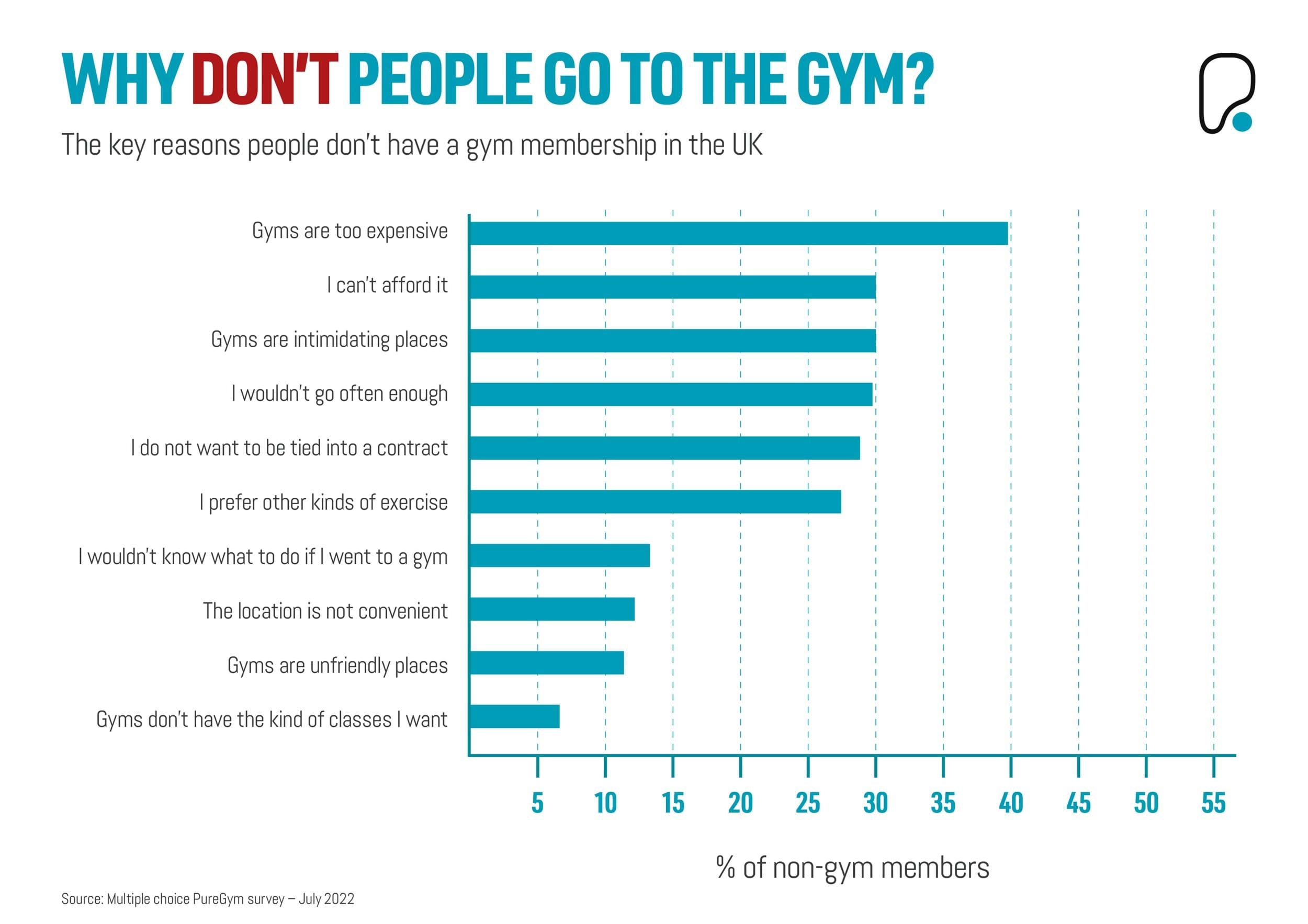
For many individuals, the idea of working out in a public setting is intimidating. Home workouts provide a safe and comfortable environment, allowing you to exercise without feeling self-conscious. Whether you’re a beginner or an experienced fitness enthusiast, the privacy of your home fosters a judgement-free zone where you can explore various exercises, try new routines, and push yourself to new limits.

3. Cost-Effectiveness:
Joining a gym or fitness studio often involves a significant financial commitment. In contrast, exercising at home eliminates the need for expensive memberships or recurring fees. While some individuals choose to invest in exercise equipment or online fitness programs, there are numerous low-cost or no-cost alternatives available, just like InstructorLive! Bodyweight exercises, yoga, Pilates, and aerobic workouts require minimal or no equipment, making them accessible to everyone.
4. Customisation and Personalisation:
Exercising at home empowers you to customise your workout routines to suit your specific goals and preferences. Unlike a gym setting with limited equipment availability, you have the freedom to design your own exercises, choose your favourite music, and create an atmosphere that motivates you. Whether you prefer high-intensity interval training (HIIT), strength training, or dance workouts, you can tailor your routine to cater to your individual needs and desires, ultimately maximising your results.
5. Family and Community Engagement:
Home workouts offer a unique opportunity to engage your family and loved ones in your fitness journey. Encouraging your family members to join you in exercising at home not only strengthens your bond but also creates a healthy and active environment for everyone. Additionally, numerous online fitness communities and social media groups provide support, motivation, and accountability, allowing you to connect with like-minded individuals who share similar fitness goals.
Exercising at home is a versatile and effective way to achieve and maintain a healthy lifestyle.
With its unparalleled convenience, privacy, cost-effectiveness, and customisable nature, home workouts empower individuals to take charge of their fitness journeys on their terms. By eliminating common barriers associated with traditional fitness settings, exercising at home unlocks a world of possibilities… Enabling you to reach your fitness goals while enjoying the comfort and convenience of your own space. So, grab a mat, put on your workout gear, and embark on an exciting fitness adventure right at home!