


I’m going to start this blog with a very bold statement. Ready? Having a clear target and plan is the ONLY way you can achieve your goals in fitness. How many times have we told ourselves, this is the year I’m going to make X happen! But then nothing happens? From my 20 years of working on myself and clients I can tell you, it’s all about planning, there is no avoiding it. Sure, you might get lucky on occasion, but that path isn’t sustainable or reliable. Where do I even begin, I hear you say? Never fear, here is my take on how to make your fitness dreams a reality.

Why Am I Doing This?
Before diving headfirst into a programme or aimlessly clicking on a random workout video, ask yourself: Why do I want to achieve this goal? Is it to feel stronger? Lose weight? Improve flexibility? Relieve stress? Understanding your motivation will keep you going when challenges arise and will also be the first guide to finding the right path to achieve your goal.
Set SMART Goals
An oldie but a goodie—make sure your goals are:
- Specific – Instead of saying, “I want to get fit!” define what fitness means to you. Example: “I want to add X amount of muscle,” “I want to be able to climb the stairs without losing my breath,” or “I want to lose my love handles.”
- Measurable – Track your progress. If you’re aiming for weight loss, set a target (e.g., “Lose 5kg in 10 weeks”). Look into the InstructorLive app powered by My PT Hub, where you can record and track your progress.
- Achievable – Be realistic! Setting goals that push you but are within reach.
- Relevant – Your goal needs to align with your personal interests and lifestyle, or it just won’t happen.
- Time-bound – Have a deadline in mind; otherwise, you will just keep kicking that can down the road.
3. Focus on the Small Wins
Looking too far into the future at the bigger goal can be overwhelming, so break them down into smaller milestones. If your goal is to run 10K, start with a plan that gradually increases your distance. On our InstructorLive app, you can start from Couch to 5K, then progress to 5K to Half Marathon, and eventually work up to a marathon. This is a perfect example of gradually increasing your goal while setting small wins along the way. These wins will make you feel great and keep you motivated.
4. Find Workouts That You Enjoy
If you hate a workout, the odds are you won’t stick to it… or it will just be a bloody awful experience. Try different styles until you find something you can really stick to and enjoy. If you want to lose weight and tone, here are some programmes that can help you achieve that goal in different ways:
- Aerobic Burn – An aerobics class that includes toning, keeps you energized, and moves to routines while burning calories.
- 20 Minute HIIT – Interval training that gets you sweating and pumped.
- Kage Barre – A ballet-inspired workout that burns calories, tones muscles, and also works on flexibility and balance.
5. Track Your Progress
Tracking your workouts and progress helps you stay accountable. Using a fitness app makes this so much easier. The InstructorLive app powered by My PT Hub lets you log your workouts, track results, and stay connected with our expert trainers.
6. Consistency is Key
If you hit a setback or miss a workout, don’t get too discouraged. But consistency is crucial. Over time, this consistency will build the volume of training and instill a mentality that will set you on a path to sustainable success.
7. Get Support
If you ever need any support, reach out—I’m here to help! Just head to the InstructorLive chat on the homepage, or book a free consultation to learn more about InstructorLive+ and our tailored plans. Together, we can help you reach your goals.
Final Thoughts
Setting and achieving fitness goals isn’t about perfection; it’s about progress. Start with small steps and build from there. No matter where you are on your fitness journey, keep moving forward, and most importantly—enjoy the process!
Introduction to Wall Pilates is the latest addition to our InstructorLive programmes list, and who better to guide us than our expert instructor, Jade.
With over 15 years of experience working closely with clients, Jade has incorporated the wall as a prop in her teaching to enhance posture, alignment, and stability.
In this Q&A, Jade shares her inspiration for Introduction to Wall Pilates and explains its unique benefits compared to traditional pilates. She also provides practical tips for incorporating it into your fitness journey. Whether you’re a beginner or advanced, Wall Pilates offers something for everyone.
Read on to discover how her approach can transform your practice, and why Jade believes it’s an essential addition to any fitness routine.
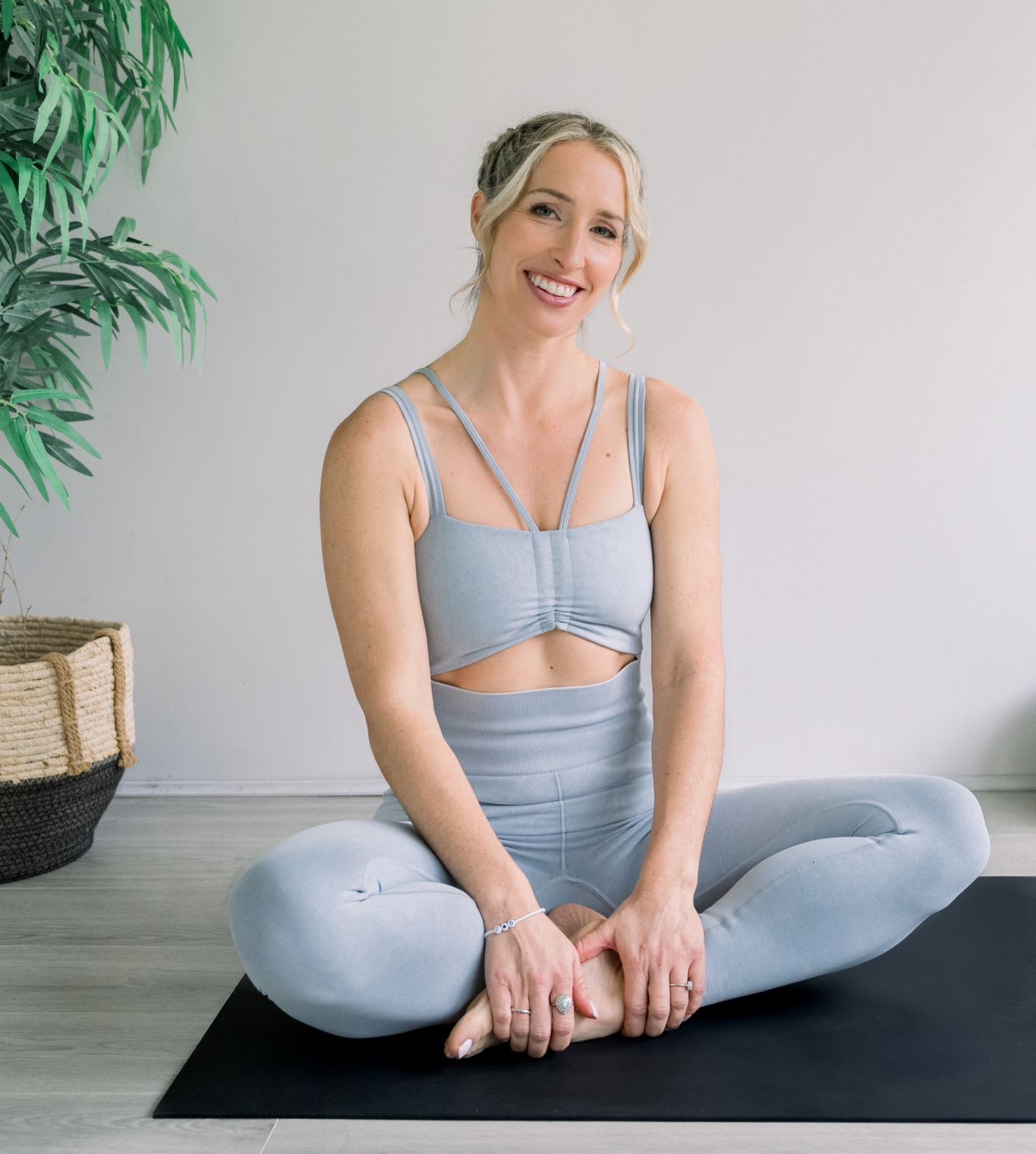
What inspired you to incorporate Wall Pilates into your teaching repertoire?
After 15 years of experience, working closely with 1-1 clients, I found that using the wall as a prop, came in extremely helpful when correcting posture alignment. The support of the wall was a fabulous guide in assisting the client and this led to me exploring more ways of using the wall as a prop.
Can you explain the primary difference to traditional Pilates?
Contrology was created by Joseph Pilates in 1926, over the years it has developed into many contemporary forms. It however has always maintained it’s classical traditional methods. Wall Pilates is a fusion of the classical exercises, combined with the use of the wall as a prop. The wall emphasises alignment and so helps the student to find correct positioning.
What are the unique benefits compared to mat or reformer Pilates?
The beauty of having the wall means we have more than one point of contact. We can have an increased awareness on body alignment and this enables us to focus on a deeper level of stability.
Is Introduction to Wall Pilates suitable for beginners, and can it be adapted for various fitness Levels?
‘Introduction to Wall Pilates’ is fabulous for beginners as it helps to create stability within a posture. When the wall is being used to guide the student, ‘cheating’ if you will, cannot be achieved. It’s also great for the more experienced students, because we all pick up bad habits. Resetting the mind and body at the wall, is a great opportunity to check in with ourselves. This way we can truly focus on any instability in the body that may have occurred over time.
Can individuals with certain physical limitations or injuries safely practice?
If you have previous health conditions or injuries, I would recommend seeking advice from a professional before starting any new exercise.
What equipment is necessary for, and how can someone set up a space at home?
You may be surprised to hear that you do not need a complete blank wall to practice. A small amount of space that is no wider than your width and height is more than suitable.
Could you share some fundamental Wall exercises that individuals can practice daily?
Resetting our posture is a fantastic everyday exercise that can help build our foundations. Stand with your feet hip width apart, your back, bottom and shoulder blades to the wall. You may notice your shoulders and head will most likely come away from the wall. Take 5 rounds of breath, (breathing in through the nose and out through the mouth), whilst trying to peel the shoulders back towards the wall with minimal movement in the lower back, and keeping the head centered between the shoulders.
How can this programme complement other forms of exercise in a well-rounded fitness regimen?
It is essential to work on different aspects of the body (cardiovascular, strength, mobility, flexibility,endurance). It’s also important to incorporate different types of exercise into your weekly routine to keep you interested.
What recommendations do you have for incorporating Wall Pilates into a busy lifestyle?
I would recommend finding 20 minutes every week to add a wall pilates class into your schedule. This will improve your posture, core strength, technique for weight training, power for endurance, and also help prevent injury by enhancing form across all exercise types.
How has practicing and teaching this form influenced your own fitness journey?
I love my own practice on the mat and reformer, but once a week, I also enjoy having a reset practice at the wall. This gives me time to check in with my form and also helps me engage different muscle groups. My aim is to keep my training fresh and varied to ensure I continuously challenge my body and mind.
Ready to try Wall Pilates?
Join Jade’s Introduction to Wall Pilates programme and start your journey today! Click here.
Sometimes in life, you can’t rely solely on your body to take the next step forward—sometimes, you need your secret weapon: your mind! Believe it or not, with a positive mindset you have the power to overcome life’s obstacles and unlock your full potential.
Think of the saying “brains over brawn”! It’s not about ignoring life’s difficulties but learning how to approach them with resilience and optimism. With the right mindset, you can tackle challenges head-on and come out stronger.
Here are 5 easy tips to help you keep a positive mindset—no matter what life throws your way!

1. Start Your Day with Gratitude
When you wake up in the morning, think about three things you’re grateful for in your life and say them in your head—or even better, out loud. Maybe it’s your husband, your daughter, or even the first sip of that sweet, sweet precious coffee! Whatever it may be, focusing on the things you hold dear will set a positive tone for the day ahead.
Tip: Keep a gratitude journal by your bed and jot down your thoughts as soon as you wake up.
Bonus: Why not try Beditation with Jamie before you sleep?
Beditation with Jamie
2. Move Your Body
In the words of Olivia Newton-John, “Get Physical!” Exercise isn’t just great for your physical health—it’s a powerful mood booster too! So, grab your leg warmers, get moving, and release those endorphins.
Quick Idea: Check out our free workouts on YouTube for inspiration!
(Hint: Aerobic Burn with Carlie is perfect to satisfy your cardio cravings!)
3. Shift Away From the Negative
When you catch yourself thinking, “I can’t do this,” pause for a second. Ask yourself, “What can I learn from this situation?” or “How can I approach this differently?” Reframing your perspective can turn obstacles into opportunities.
Positive Swap: Instead of saying, “I’ll never get this right,” try, “I’m still learning, and that’s okay.”
4. Surround Yourself With Positive Vibes
Energy vampires really suck! ♂️ Surround yourself with people who give you good energy rather than drain it. And this doesn’t just apply to fellow humans—think about the TV shows you watch, the books you read, and the YouTube videos you consume. Cut out the bad vibes and make room for the good ones! Creating an environment filled with positivity will help your mindset thrive.
✨ Quick Tip: Follow social media accounts that inspire you and share content that aligns with your goals and values.
https://www.facebook.com/InstructorLive
https://www.instagram.com/InstructorLive
5. Feed Your Body and Mind
Your mind and body are a team—fuel them both with care! Nutritious meals and activities you enjoy, like reading, meditating, or cooking, can do wonders for your well-being. It’s all about balance and treating yourself with kindness.
Recipe Inspiration: Why not whip up a refreshing smoothie packed with berries and spinach? It’s quick, delicious, and fantastic for brain health!
Bonus: Here are 5 delicious smoothie ideas to get your 5 a day!
Your Positive Mindset Toolkit
Remember, keeping a positive mindset isn’t about being happy all the time—it’s about building habits that help you approach life with balance, resilience, and hope.
What’s your go-to tip for staying positive? We’d love to hear from you, and include it in a future newsletter : Email austin@instructorlive.com
For more inspiration and guidance, chat with us through the icon on the InstructorLive homepage. Let us help you find the perfect programme for your journey!