Why Balance Training Matters
Why balance training matters probably isn’t something most of us think about when planning our weekly workouts.
We think about getting stronger, improving our fitness, becoming more flexible, or perhaps losing a little weight. However, how often do you actually think about improving your balance?
Probably not very often.
The funny thing is, we use our balance constantly. Whether you’re walking upstairs, stepping off a kerb, getting dressed, reaching into a cupboard, or simply moving around your home, your body is constantly making tiny adjustments to keep you stable.
And, as we get older, maintaining that ability becomes increasingly important.
So, perhaps it’s time we gave balance training a little more attention.
Balance Is a Skill
One of the most important things to remember is that balance isn’t something you either have or you don’t.
It’s a skill.
And, just like strength, mobility, or cardiovascular fitness, it’s something you can work on.
Your balance relies on several different systems working together, including your muscles, joints, vision, coordination, and core stability.
Therefore, improving your balance isn’t necessarily about standing on one leg for as long as possible. Instead, it’s about developing a body that can react, adjust, and remain stable as you move.
Strength and Balance Go Hand in Hand
This is where strength training becomes particularly important.
Strong legs, glutes, and core muscles all help support your body and keep you stable.
Think about something as simple as getting out of a chair.
Your legs need enough strength to lift you, your core helps stabilise you, and your balance allows you to move safely from sitting to standing.
So, while we often talk about strength and balance separately, in reality they’re very closely connected.
That’s one of the reasons our Strength Beyond 50 programmes include balance and stability work alongside traditional strength exercises.
After all, we’re not simply trying to become stronger for our workouts. We’re building strength that supports everyday life.
Mobility Makes a Difference Too
However, strength is only part of the picture.
Good mobility allows your joints to move comfortably through the ranges you need during everyday activities.
For example, ankle mobility can affect how confidently you walk, while hip mobility can influence everything from climbing stairs to getting up from the floor.
Therefore, combining strength, balance, and mobility work can be particularly effective.
Pilates is a fantastic option here because it encourages controlled movement while developing core strength, posture, coordination, and body awareness.
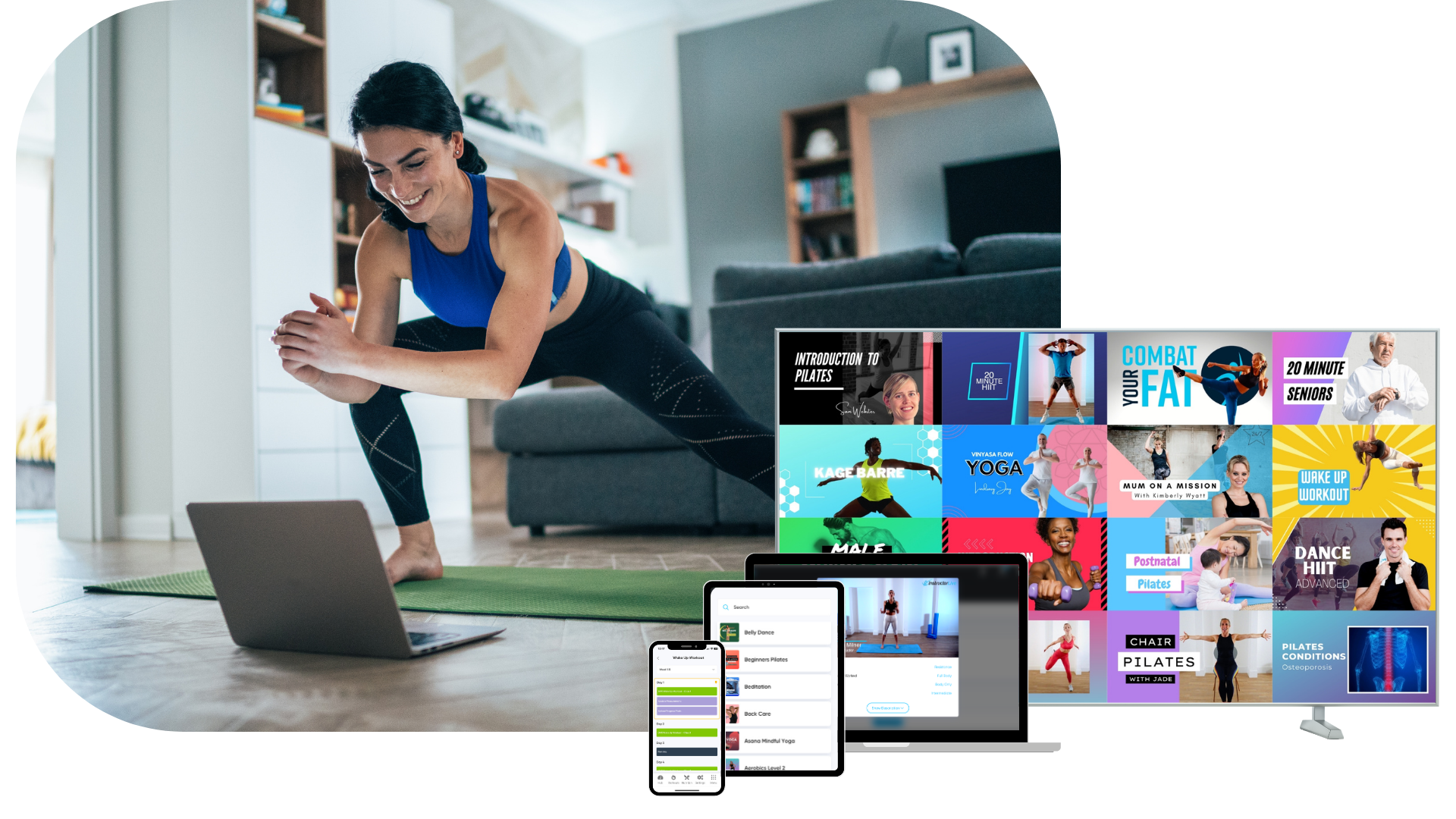
If you’d like to explore it, you’ll find everything from beginner sessions to more targeted workouts in the InstructorLive Pilates collection.
Try Adding Balance Into Everyday Life
The good news is that balance training doesn’t have to mean adding another hour-long workout to your week.
In fact, you can start incredibly simply.
You might practise standing on one leg while holding onto a sturdy surface, walk slowly heel-to-toe, or include exercises such as controlled knee lifts and side steps in your workouts.
However, don’t worry about being perfect.
You might wobble.
You might need to put your foot down.
That’s completely fine.
The challenge itself is part of the training.
And, gradually, you may notice that movements that initially felt difficult begin to feel much more controlled.
Yoga Can Help Build Balance and Control
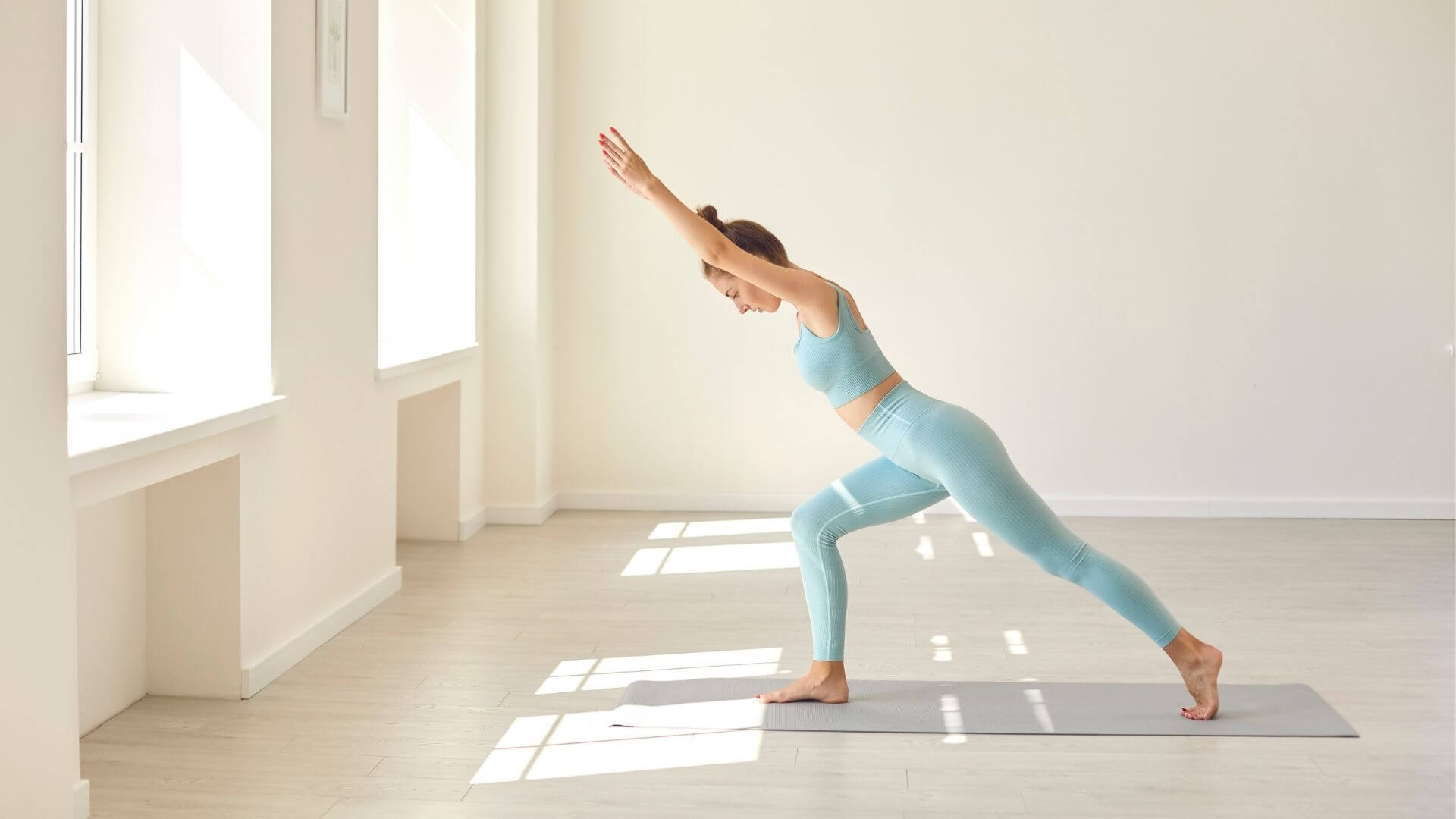
Yoga is another brilliant way to introduce more balance work into your routine.
Not only can it help improve flexibility and mobility, but many yoga movements also challenge your stability, coordination, and control.
More importantly, you don’t need to be incredibly flexible or able to perform complicated poses to benefit.
Our 5-Day Work Week Yoga programme, for example, gives you a simple way to introduce regular yoga into your week without it taking over your schedule.
As always, start at a level that feels appropriate for you and build from there.
Why Balance Becomes More Important as We Age
Although balance matters at every age, it naturally becomes more important as we get older.
Strength, reaction time, coordination, and mobility can all change over time. However, that doesn’t mean we simply have to accept becoming less steady.
Regular movement, strength training, and balance exercises can all help us continue challenging those abilities.
And that’s really the bigger message.
Fitness isn’t only about how fast you can run or how much weight you can lift.
It’s about creating a body that helps you continue doing the things you enjoy.
The Takeaway
Balance might not be the first thing you think about when planning your workouts, but perhaps it should feature a little more often.
After all, it supports almost everything we do.
The good news is that you don’t need complicated equipment or lengthy workouts to start improving it.
Build strength.
Keep moving.
Work on your mobility.
Challenge your balance.
And, most importantly, keep doing it consistently.
Because the aim isn’t simply to become better at balancing on one leg.
It’s to help you move through everyday life with greater strength, stability, and confidence.