When Something Doesn’t Feel Right
Have you ever started training and something just doesn’t feel right?
Maybe you’ve got no energy, or you’re struggling to even find the motivation to begin. You push yourself to start anyway, but that usual feeling isn’t there. No adrenaline, no momentum, just a bit flat throughout the session.
Let me assure you, we all get these moments.
When something doesn’t feel right in your body during training, it can be a tricky place to be.
I’ve had this myself plenty of times over the years. You’re going through your routine, everything feels fine, and then suddenly something feels off. Maybe it’s your shoulder, your knee, your back, or just a movement that doesn’t feel as comfortable as it normally would.
And in that moment, it’s very easy to go one of two ways.

The Two Common Reactions
From my experience, most people tend to do one of two things.
👉 Ignore it and push through
👉 Or stop completely
And I get both.
If you ignore it, it’s usually because you don’t want to lose momentum. You feel like you’re finally in a routine and don’t want to break it.
On the other hand, stopping completely often comes from not wanting to make things worse or not being sure what to do next.
However, in reality, neither of those options tends to work that well long-term.
What I’ve Learned to Do Instead
What I’ve learnt, mostly the hard way, is that the best option usually sits somewhere in the middle.
Instead of pushing through or stopping everything, it’s about adjusting.
That might mean:
- Changing the exercise
- Reducing the intensity
- Slowing things down
- Or focusing on a different area for a few sessions
And actually, that small adjustment is often what keeps you moving forward.
Keeping Yourself Moving (In the Right Way)
One of the biggest mistakes is thinking that if something feels off, you have to stop training altogether.
In most cases, you don’t.
You just need to train differently for a short period of time.
This is where more supportive, low-impact work can make a huge difference. It allows you to stay active while still giving your body what it needs.
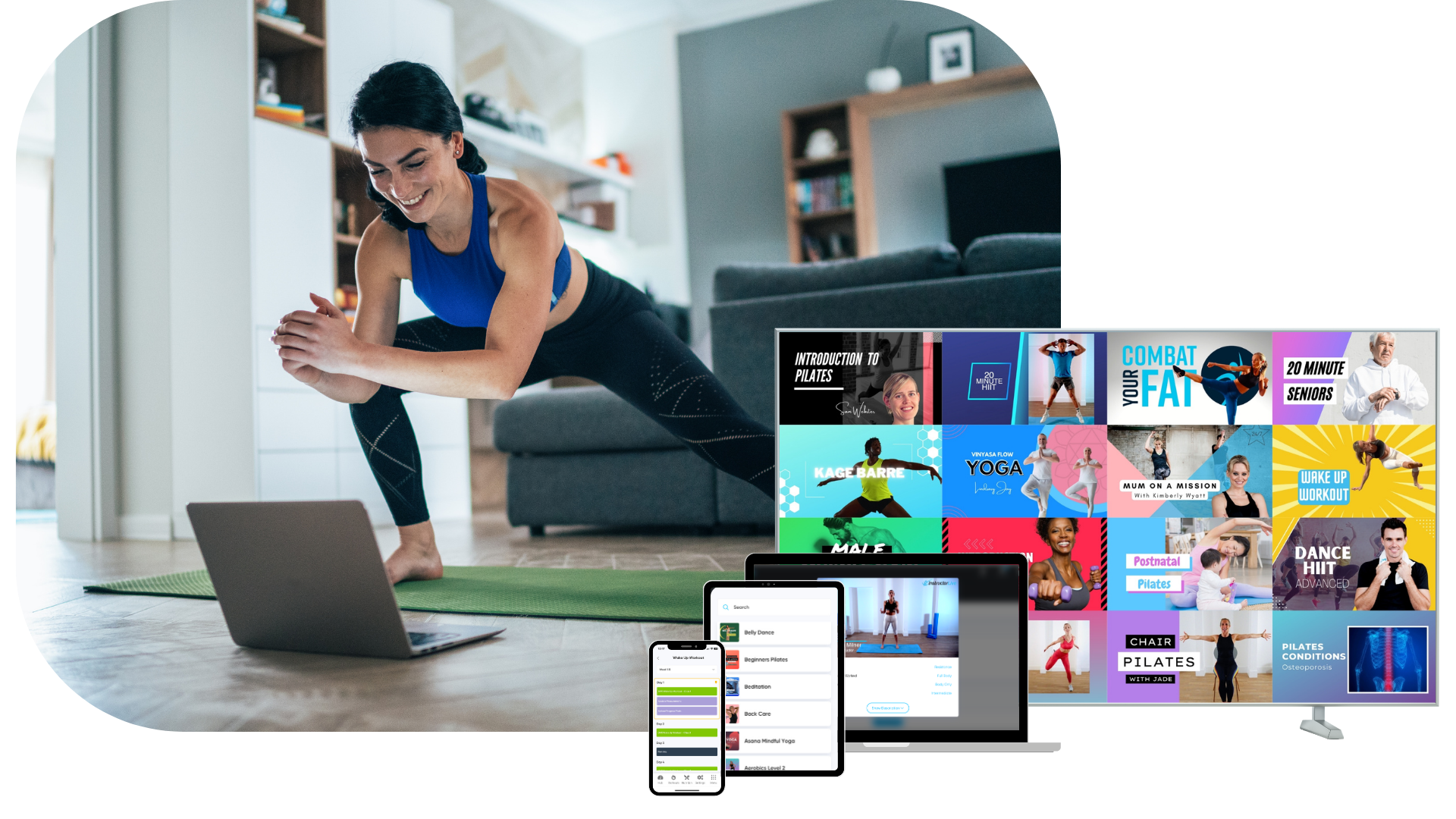
That’s exactly why we’ve brought Rehab Pilates with Sam Webster onto the platform.
It’s designed to support specific areas like the lower back, shoulders, knees, and hips, so if something isn’t feeling quite right, you’ve still got a way to keep moving without making things worse.
Building Back Confidence
The other side of this, which I think often gets overlooked, is confidence.
Once something doesn’t feel right, it’s very easy to start second-guessing your body.
You might hold back more, avoid certain movements, or feel unsure about what you can and can’t do.
That’s where having a structured, supportive approach really helps.
Programmes like Strength Beyond 50 are designed to build strength gradually and safely, helping you regain confidence in your movement.
It Doesn’t Mean Something Is Wrong
Another important thing I’ve had to remind myself over the years is that not every niggle means something serious.
Bodies change. Things feel different from time to time. And often, it’s just your body asking for a slight adjustment rather than a complete stop.
Learning to recognise that difference is a big part of long-term training.
The Takeaway
When something doesn’t feel right, it doesn’t mean you’ve failed or that you need to stop completely.
Most of the time, it just means you need to adjust.
Because staying active isn’t about pushing through everything. It’s about learning how to work with your body so you can keep moving consistently over time.