Training Around Injuries as You Age
Something I’ve had to learn a lot about over the years, both as a former da
ncer who threw his body around everywhere, and as someone who has trained consistently for over 20 years, is training around injuries as you age. And like most things, I’ve definitely learnt it the hard way.
When you’re younger, it’s easy to push through things. A bit of tightness here, a slight ache there, and you just carry on. However, as we get older, those small niggles tend to stick around a bit longer. And if you ignore them, they can quickly turn into something that stops you from training altogether.
That’s definitely something I’ve become more conscious of recently. So I thought I’d share a few tips to help you go through that process a bit easier and hopefully avoid some of the mistakes I’ve made when dealing with those frustrating niggles.
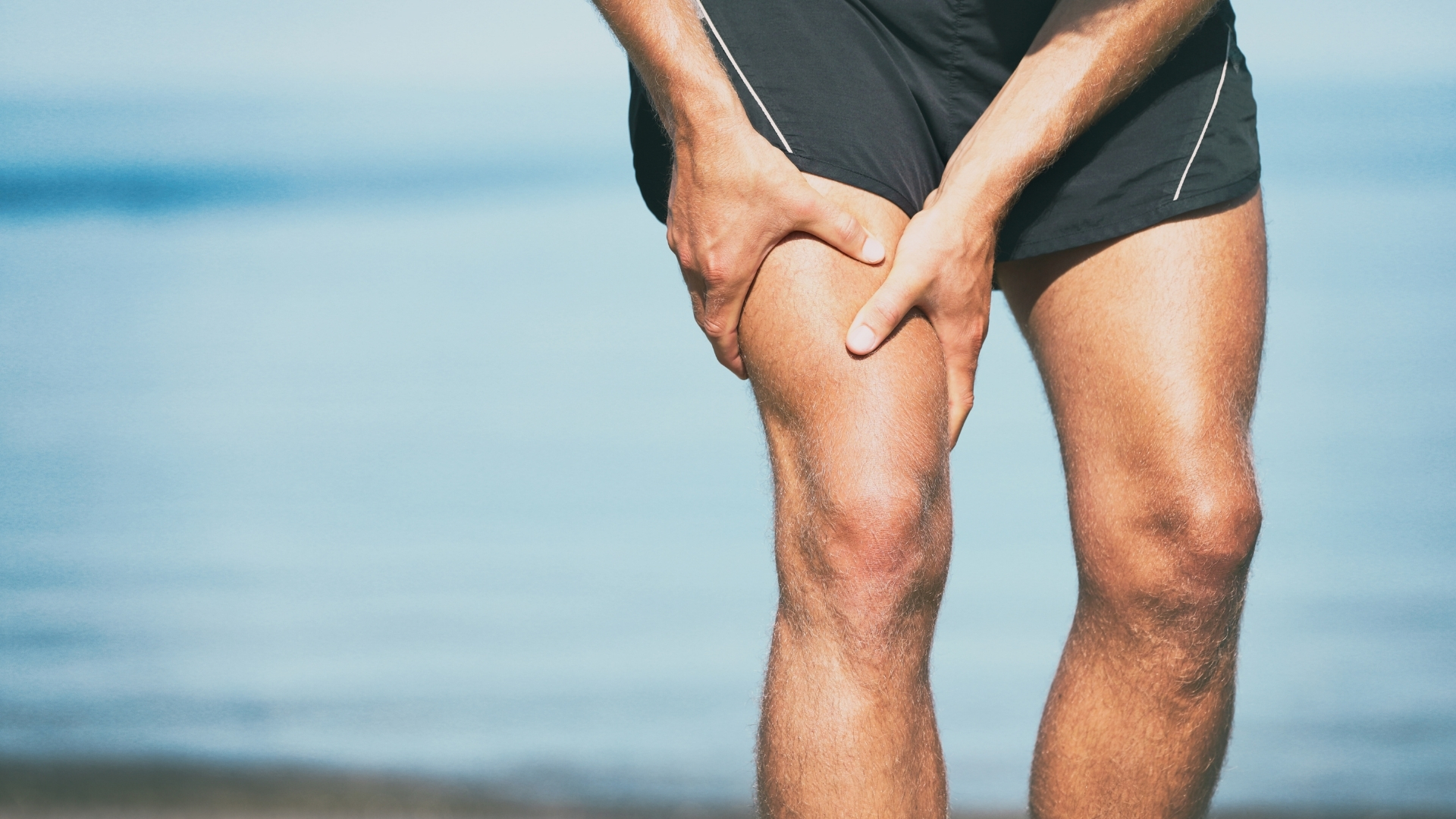
Learning to Work With Your Body, Not Against It
One of the biggest shifts for me has been learning to w
ork with my body, rather than constantly trying to push against it.
For a long time, I thought workouts had to feel hard to be effective. If I wasn’t pushing, I didn’t feel like I was doing enough. However, what I’ve realised is that constantly pushing through discomfort usually just sets you back.
Now, I pay much more attention to how things feel. That might mean slowing exercises down, adjusting movements, or even swapping a session entirely. And actually, that’s when I’ve seen the most consistent progress.
Avoiding the “All or Nothing” Trap
Something
else I see a lot, and I’ve definitely been guilty of this myself, is the all-or-nothing mindset.
You either:
• Push through something
you probably shouldn’t
• Or stop completely and do nothing
In reality, neither works that well.
What tends to work much better is finding a middle ground. Keeping some level of movement going, but in a way that supports your body rather than aggravating it.
Because once you stop completely, it’s often much harder to get back into a routine.
Why Low-Impact Training Becomes So Important
This is where low-impact training has been a bit of a game-changer for me.
Things like Pilates allow you to:
• Build strength
• Improve mobility
• Support joints
• Stay active without putting unnecessary stress on the body
It’s not about doing less. It’s about doing the right type of movement.
That’s exactly why we’ve brought programmes like Rehab Pilates onto the platform.
What I really like about it is that it’s not just general workouts. It’s more targeted. So if you’re dealing with something specific, whether that’s your lower back, shoulders, knees, or even recovering from something like a hip replacement, you can still train, just in a way that supports that area rather than making it worse.
Building Strength in a Smarter Way
Alongside that, something I’ve also learnt is how important it is to keep building strength, just in a more controlled and structured way.
That’s where something like Strength Beyond 50 fits in really well.
It’s designed to help you build strength gradually, without overloading the body, which is exactly what you need if you’re trying to stay consistent while managing injuries or niggles.
For me, it’s about finding that balance between supporting the body and still challenging it enough to improve.
Staying Consistent Without Setbacks
At the end of the day, the goal isn’t to push through pain or constantly test your limits.
It’s to stay consistent.
And sometimes that means taking a step back so you can keep moving forward.
Because the worst thing that can happen is pushing too hard, getting set back, and then having to start again.
The Takeaway
Training around injuries as you age isn’t about doing less; it’s about doing what works for your body.
Listening to how you feel, making small adjustments, and choosing the right type of movement can make all the difference.
Because in the long run, staying active consistently will always beat short bursts of pushing too hard.