A Beginner’s Guide to HIIT Workouts
If you’ve been hearing more about HIIT workouts but feel unsure whether they are right for you, you’re certainly not alone. A beginner’s guide to HIIT workouts
can help demystify this popular training style and show that it can actually be adapted for many different fitness levels.
HIIT, which stands for High Intensity Interval Training, involves short bursts of effort followed by periods of recovery. Because of this structure, workouts can be shorter while still delivering excellent benefits for cardiovascular fitness, strength, and overall conditioning.
Perhaps most importantly, HIIT does not need to feel intimidating. When approached in the right way, it can be flexible, scalable, and surprisingly enjoyable.

What Is HIIT?
At its core, HIIT means alternating between periods of higher intensity exercise and short recovery breaks. For example, you might perform an exercise for 30 seconds, followed by 15 to 30 seconds of rest before moving on to the next movement.
This format keeps the heart rate elevated while also allowing the body brief recovery periods. As a result, HIIT workouts are often efficient and engaging, making them ideal for people who want to improve fitness but may not have long periods to exercise.
However, it is worth remembering that intensity is always relative. What feels intense for one person might feel moderate for someone else, so the key is always to work at a level that suits your own body.
Why HIIT Can Be Effective
There are several reasons why HIIT has become such a popular training method.
Firstly, the shorter workout structure makes it easier to fit exercise into a busy day. Even a 20-minute session can deliver meaningful benefits when performed consistently.
Secondly, HIIT workouts can support both cardiovascular fitness and muscular endurance. Because many sessions combine strength-based movements with cardio exercises, you are often working multiple systems simultaneously.
Finally, many people enjoy the variety of HIIT training. Moving between exercises regularly helps keep sessions engaging and prevents workouts from feeling repetitive.
Can Beginners Do HIIT?
The short answer is yes. However, beginners should approach HIIT gradually, focusing on building confidence and technique before pushing intensity.
For example, you might start with shorter work intervals, longer rest periods, or low-impact movements that place less stress on the joints. Over time, as fitness improves, the intensity and complexity of exercises can increase.
Most importantly, consistency matters far more than intensity at the beginning. Even moderate effort HIIT sessions can deliver real improvements when performed regularly.
InstructorLive H
IIT Programmes to Try
If you’re curious about HIIT workouts, InstructorLive offers several programmes that can help you explore this style of training at a pace that feels comfor
table.
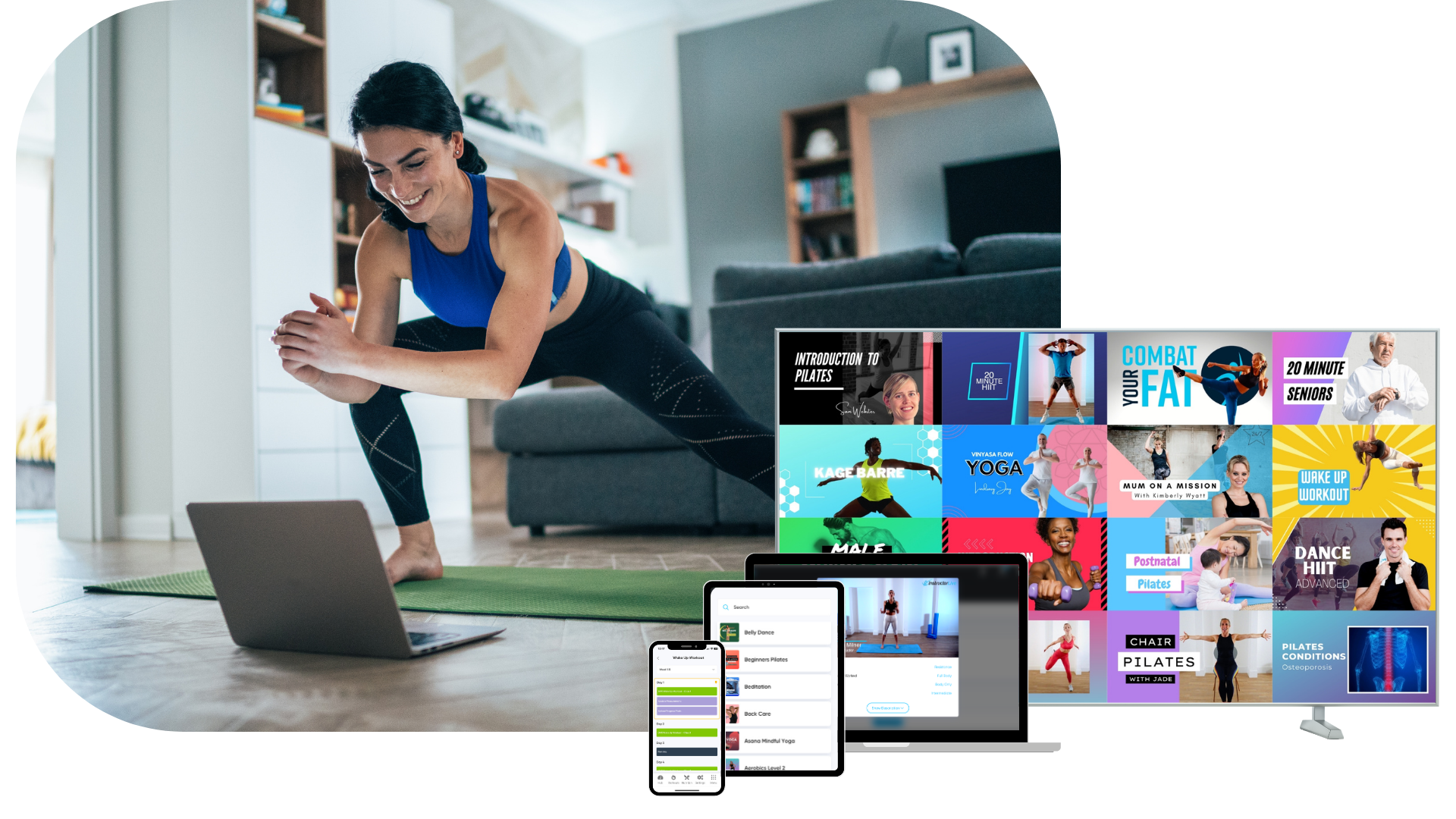
Dance HIIT for Beginners
If you pr
efer workouts that feel fun and energising, this programme is a fantastic starting point. Dance HIIT for Beginners combines simple choreography with interval training, allowing you to build cardio fitness while enjoying rhythmic movement. It’s an approachable way to experience HIIT without feeling overwhelmed.
20 Minute HIIT
For those who want a straightforward, efficient workout, 20 Minute HIIT delivers a series of structured sessions designed to elevate the heart rate and build strength. The shorter class format also makes it easy to fit into busy schedules.
HIIT: The Promise
If you’re ready for a slightly bigger challenge, HIIT: The Promise offers a high-energy series focused on improving cardiovascular fitness, strength, and conditioning. The longer programme structure allows you to build stamina and progression over time.
Tips for Starting HIIT Safely
If you are new to HIIT, there are a few helpful strategies to keep in mind.
Firstly, always begin with a proper warm-up. Preparing the muscles and joints helps reduce the risk of injury and allows you to move more comfortably during the workout.
Secondly, focus on good technique rather than speed. Performing movements with control will help build strength and reduce unnecessary strain.
Finally, remember that rest and recovery are part of the process. Giving the body time to recover between sessions helps support progress and prevent fatigue.
Finding the Right Pace for You
Ultimately, HIIT should feel challenging but manageable. The goal is not to push to exhaustion every time, but rather to build a routine that supports your energy, strength, and confidence over time.
With the right approach, a beginner’s guide to HIIT workouts shows that this training style can be accessible, adaptable, and highly effective.
Whether you enjoy dance-inspired sessions, short cardio bursts, or structured conditioning programmes, there are many ways to explore HIIT and discover what works best for you.