Why Posture Matters
I spent years being told to stand up straight.
As a dancer, posture was something we thought about constantly. Shoulders down, chest lifted, core engaged, head up. You become incredibly aware of how you hold your body, particularly when you’re standing in front of a mirror for hours every day.
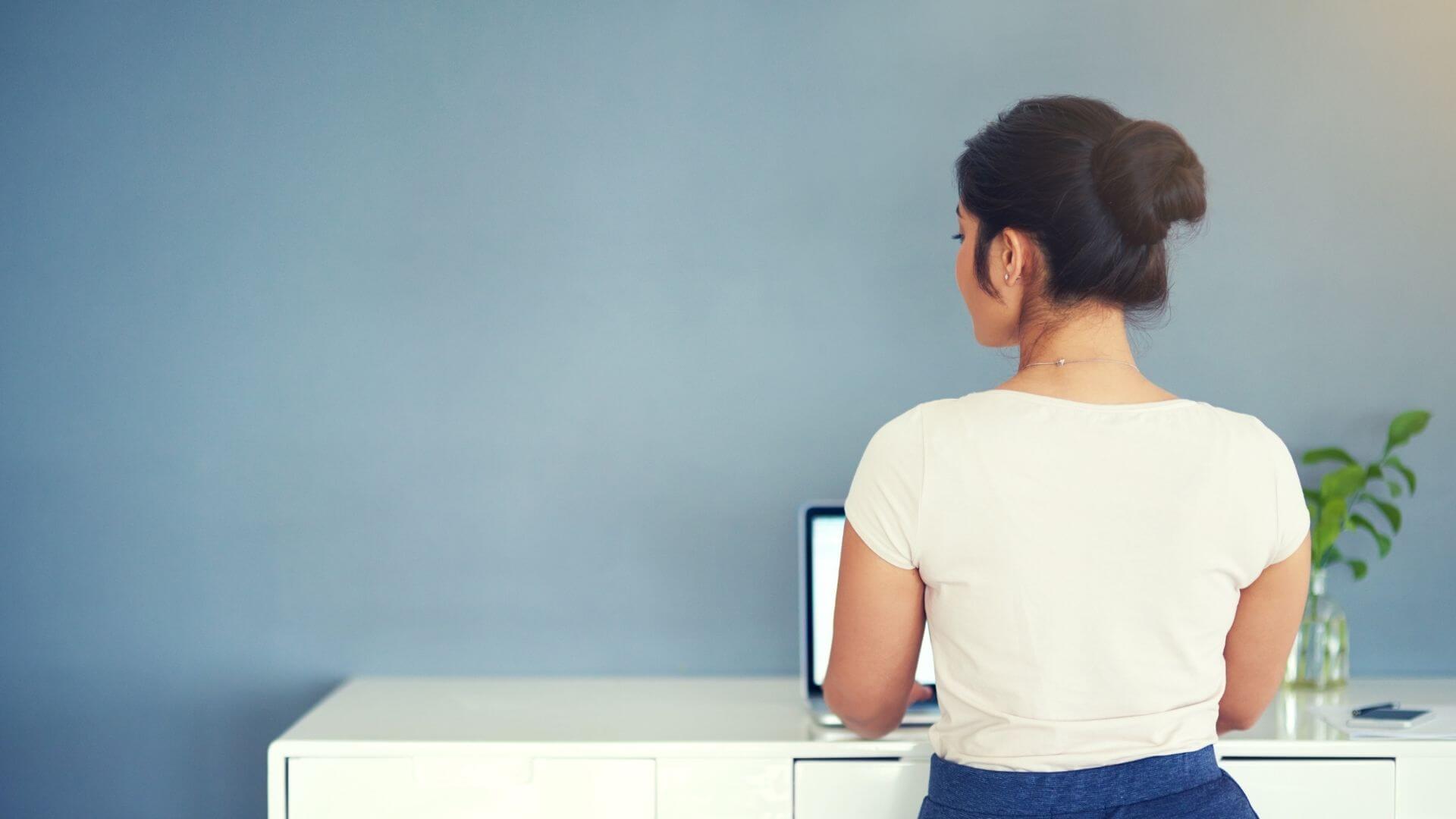
These days, however, I probably spend more time sitting at a laptop than I’d like to admit – and this is exactly why posture matters
I’ve noticed that after a few hours concentrating on something, all those years of dance training can apparently disappear fairly quickly! My shoulders creep forwards, my head moves towards the screen and suddenly I’m sitting in a position that certainly wouldn’t have impressed any of my old dance teachers.
But the more I’ve thought about posture, the more I’ve realised that looking perfectly upright isn’t really the point.
Good posture isn’t about forcing yourself to sit or stand in one perfect position all day. It’s about having the strength, mobility and awareness to move comfortably and change position when you need to.
So perhaps instead of constantly telling ourselves to “sit up straight”, we should be thinking a little more about how our bodies are moving throughout the day.
There Isn’t One Perfect Posture
This might sound strange coming from someone who spent years being corrected on their posture, but there isn’t one perfect posture.
Physiotherapy guidance increasingly emphasises that there isn’t a single “correct” posture and that spending too long in any one position can be more relevant than whether you’re sitting perfectly upright. The Chartered Society of Physiotherapy
Think about how uncomfortable it would be if somebody asked you to stand perfectly still for several hours. Sitting isn’t really that different.
You might sit upright for a while, lean back, move forwards, cross your legs and then stand up. Our bodies are designed to move between different positions.
So rather than worrying every time you catch yourself slouching, perhaps use it as a reminder to change position and move.
Strength Plays a Part
Although we shouldn’t obsess over achieving a “perfect” posture, having a strong and capable body can certainly help us feel more comfortable in the different positions everyday life demands.
Your core isn’t simply about having visible abdominal muscles. It includes a collection of muscles around your trunk that work together as you move, lift, bend and exercise.
Your back, shoulders and hips matter too.
That’s one reason exercises such as Pilates can be useful. Rather than simply trying to consciously pull your shoulders back all day, you’re working on strength, control, mobility and body awareness.
Over time, that can help you become more aware of how you’re moving rather than constantly trying to correct yourself.
Mobility Matters Too
Strength is only part of the picture.
If you’ve spent hours at a desk, you probably know that feeling when you finally stand up and everything feels a little stiffer than it did that morning.
Regular movement can help.
That might mean incorporating Pilates, yoga or mobility exercises into your fitness routine, but it can also be much simpler. Stand up between tasks, roll your shoulders, move around while you’re on the phone or go for a short walk.
As we discussed recently in Are You Sitting Too Much?, your workout isn’t the only movement that matters. Breaking up long periods in one position is important too. NHS advice for back pain similarly recommends staying active rather than spending long periods inactive. nhs.uk
Your Everyday Habits Add Up
Posture isn’t something we only need to think about when we’re exercising.
Think about how many hours you might spend looking at a laptop, watching television or checking your phone over the course of a week.
I’m certainly guilty of picking up my phone and realising a few minutes later that my head has gradually moved further and further down towards the screen.
Again, the answer isn’t to become frightened of a particular position. It’s simply to become more aware of how long you’ve been there.
Could you bring your screen closer rather than constantly leaning towards it? Do you get up between emails? Could you take a phone call standing or walking rather than sitting?
Small changes can encourage more variety in how you use your body throughout the day.
Don’t Try to Hold Yourself Rigidly
This is where my dance background can actually work against me.
If someone tells me to improve my posture, my instinct isn’t to engage every muscle and stand as though I’m about to walk onto a stage.
But that’s not particularly realistic for everyday life.
Constantly holding yourself rigidly isn’t the goal. In fact, current guidance challenges the idea that there is one ideal sitting or standing posture that prevents back pain. Cambridge University Hospitals
You should be able to relax.
The aim is to have options: to sit, stand, bend, reach and move comfortably.
I actually prefer thinking about posture that way.
It’s less about how your body looks and more about what your body can do.
Try Perfect Posture with Sam
If this article has made you think a little more about your own posture, we have just the programme for you.
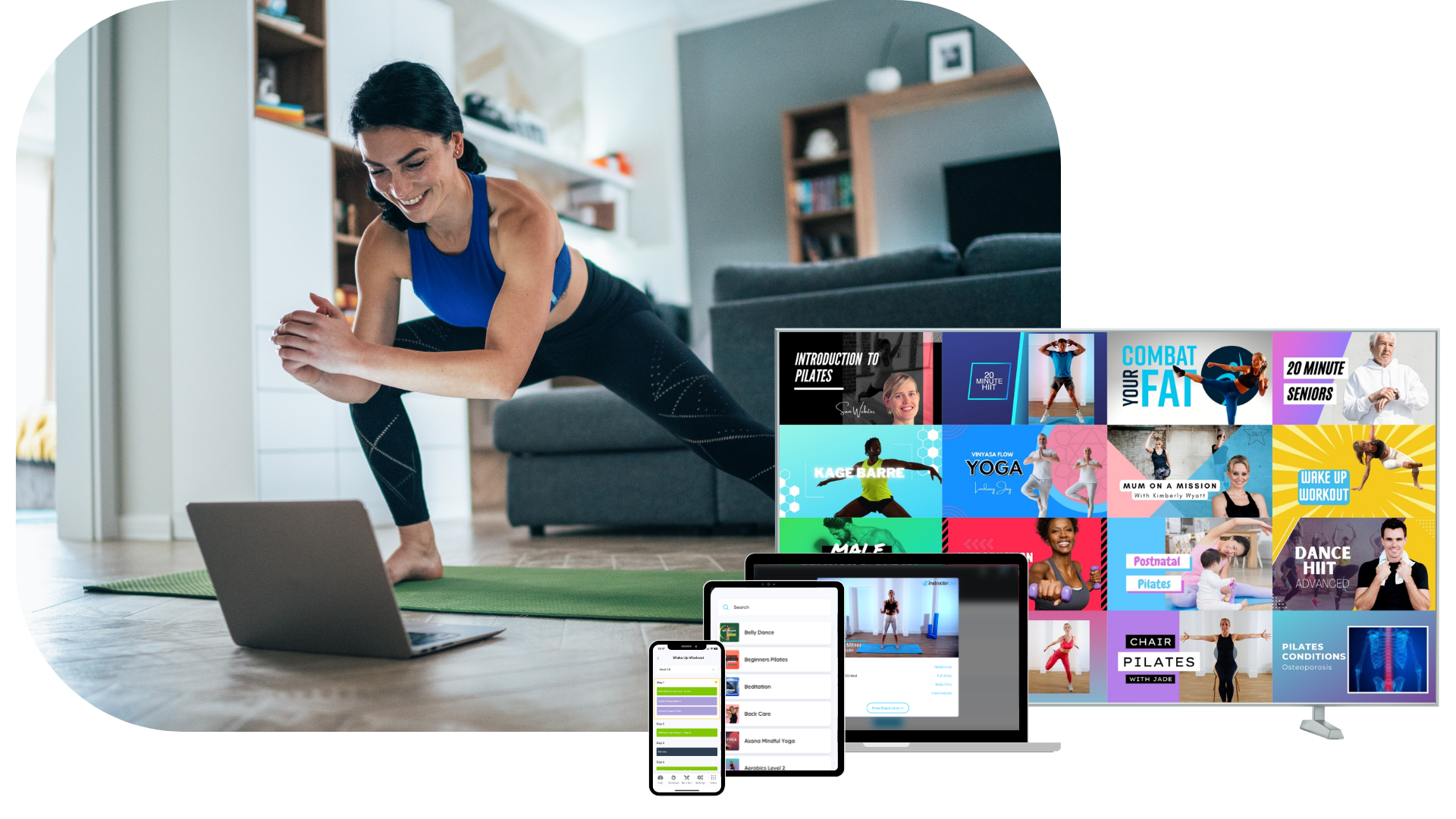
Posture Clinic: Perfect Posture with Sam Webster is an eight-week programme featuring eight 45-minute Pilates-based workouts. The programme focuses on core stability, flexibility, mobility and body control, intending to support posture and day-to-day movement. InstructorLive
Rather than reminding yourself to “stand up straight”, work on some of the strength and mobility behind how your body moves.
Try Posture Clinic: Perfect Posture
The Takeaway
After years of dance training, I still notice posture. If I walk past a mirror, there’s probably going to be a part of my brain telling me to pull my shoulders down.
But these days, I think about it differently.
I’m less interested in trying to hold my body in one perfect position. I’m more interested in keeping it strong, mobile and able to move comfortably.
So if you’ve been sitting at your desk reading this and you’ve found yourself getting closer to the screen, don’t panic.
Just get up and move for a minute.
Your next posture might be the best one.