Why Mobility Matters as You Get Older
From reaching down to put your shoes on and turning to look behind you, to getting out of a chair or reaching into a cupboard, being able to move comfortably makes an enormous difference to how we feel and function each day. That’s why mobility matters as you get older.
However, mobility is one of those areas of fitness that we often don’t think about until something starts to feel a little stiffer than it used to. Perhaps you notice your hips when you first get out of bed. Maybe your shoulders don’t move quite as freely. Or it simply takes your body a little longer to get going in the morning.
While some changes are a natural part of getting older, that doesn’t mean we should simply stop moving. In fact, regular movement becomes increasingly important because maintaining good mobility can help us continue exercising, stay active and feel more confident in everyday life.
So, what exactly is mobility, why does it matter and, most importantly, what can we do to maintain it?
Mobility and Flexibility Aren’t Quite the Same Thing
Although we often use the words mobility and flexibility interchangeably, they’re actually slightly different.
Flexibility generally refers to how much a muscle can lengthen. Mobility, on the other hand, is about how well you can move a joint through its available range of motion.
For example, you might be able to stretch your hamstrings well, but that doesn’t mean you have the hip and ankle mobility required to comfortably perform a squat.
Therefore, while stretching can form part of a fitness routine, good mobility is about control, strength and being able to use the movement you have.
Why Do We Start Feeling Stiffer?
There isn’t necessarily one single reason.
For many of us, modern life involves spending a lot of time in the same positions. We sit at desks, drive cars, watch television and spend hours looking at phones or tablets. As a result, our bodies simply aren’t moving through as many different positions as they could be.
Furthermore, as we get older, changes to our muscles and joints can affect the way we move. That’s why staying active becomes so important.
The saying “use it or lose it” might sound like a cliché, but when it comes to movement, there’s certainly some truth behind it.
Mobility Makes Everyday Movement Easier
Improving mobility isn’t about being able to perform impressive stretches or complicated yoga positions.
Instead, think about the movements you use every day.
Can you comfortably turn to look over your shoulder? Reach above your head? Can you bend down to pick something up? Get up and down from a chair without feeling restricted?
Good mobility helps all of these movements feel more comfortable and, consequently, can help you remain active and independent as you get older.
What’s more, when your body moves comfortably, exercise itself can often become more enjoyable too.
Strength and Mobility Work Together
This is something I think is particularly important.
We often separate strength and mobility into completely different types of training. However, your body doesn’t work that way.
Having a good range of movement is useful, but you also need enough strength and control to use that range effectively. Equally, building strength through a very limited range of movement isn’t always the answer either.
Therefore, combining strength work with regular mobility exercises can be a great approach.
That’s one of the reasons you’ll find mobility incorporated into our Strength Beyond 50 programmes. The aim isn’t simply to make individual muscles stronger, but to help your whole body move and function well.
You Don’t Need a Separate Hour-Long Mobility Session
The good news is that working on your mobility doesn’t need to become another enormous commitment.
You could spend ten minutes moving in the morning, enjoy a Pilates session, or make an effort to move more throughout the day.
If you’ve been sitting for a long period, for example, get up and walk around. Move your shoulders, gently rotate your upper body or take your hips through a few comfortable movements.
Individually, these things might seem small. However, when they’re repeated regularly, they can become valuable habits.
As with so many areas of fitness, consistency is far more useful than doing one enormous mobility session every few weeks.
Pilates Is a Great Place to Start
If you’d like to work on mobility in a more structured way, Pilates can be a fantastic option.
Alongside core strength and control, Pilates encourages you to move your body with awareness and gradually explore different ranges of movement.
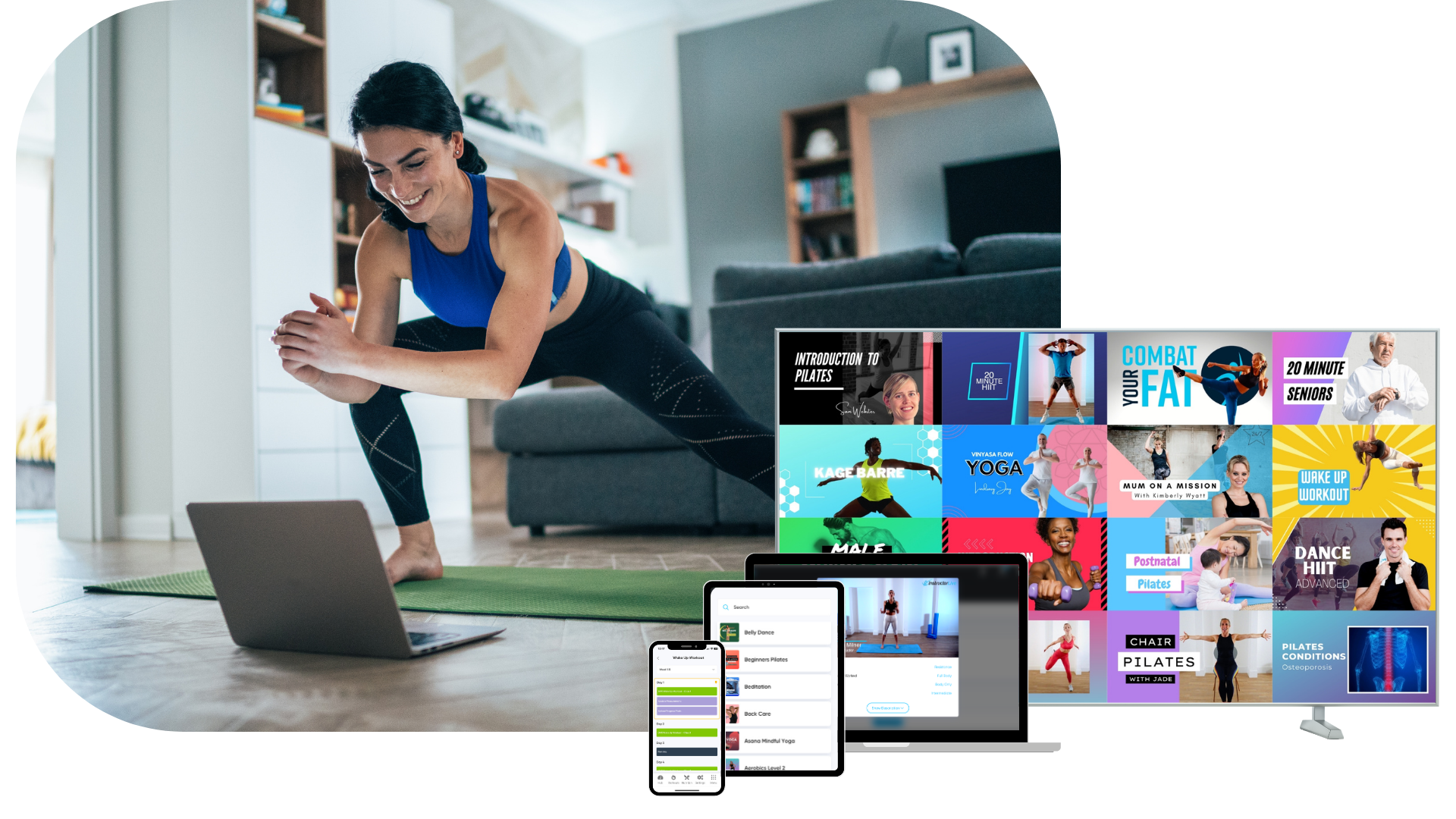
At InstructorLive, we’ve got an entire Pilates category to explore, ranging from introductory programmes to more targeted sessions. Therefore, whether you’re completely new to Pilates or you’ve been practising for years, you can find something that suits your current level.
Yoga can also be a great addition to your routine, particularly if you’d like to combine mobility work with slower, controlled movement.
The Takeaway
Mobility isn’t about trying to become as flexible as possible. Instead, it’s about maintaining the freedom to move your body comfortably and confidently.
As we get older, that becomes increasingly valuable.
Fortunately, you don’t need to completely overhaul your fitness routine to work on it. Move regularly, include different types of exercise, combine mobility with strength and try not to spend too much of your day in one position.
Most importantly, don’t wait until you feel incredibly stiff before you start thinking about how well you’re moving.
A little movement, repeated regularly, can go a long way towards helping you stay active and continue doing the things you enjoy.
After all, staying fit isn’t only about how hard you can work.
It’s also about how well you can move.