How Exercise Affects Sleep: Tips for Better Recovery
We’ve all had those nights where no matter how much we toss and turn, sleep just doesn’t come easily. And then there are those lovely evenings where our head hits the pillow and, before we know it, the alarm is ringing. If you’re anything like me, poor sleep can get in your head. You start worrying about not sleeping, which ironically becomes the very thing that keeps you awake. Maybe you’ve even looked into over-the-
counter remedies, but what if I told you one of the biggest factors that can tip the balance between restless nights and dee
p rest is much simpler? Exercise. The connection between movement and sleep is stronger than you might think. The way you move during the day has a direct impact on how well your body and mind can rest at night. Let’s break down how exercise affects your sleep, and share a few simple tips to help you get t
he best recovery possible.
Why Exercise Helps You Sleep Better
Exercise isn’t just about fitness goals; it’s also a regulator for your body’s internal clock, known as the circadian rhythm.
When you move, your body temperature rises, your heart rate increases, and your muscles work harder. Later in the day, when your body naturally cools down, these changes signal to your brain that it’s time to wind down.
On top of that, regular exercise reduces stress and anxiety, both of which are common sleep disruptors. That post-workout “feel-good” boost of endorphins doesn’t just lift your mood; it also makes it easier to drift off once bedtime rolls around.
Timing Matters
While exercise is great for sleep, when you work out can make a difference.
Morning or afternoon workouts: These are usually the best for supporting healthy sleep. They give your body plenty of time to cool down and your nervous system time to relax before bedtime.
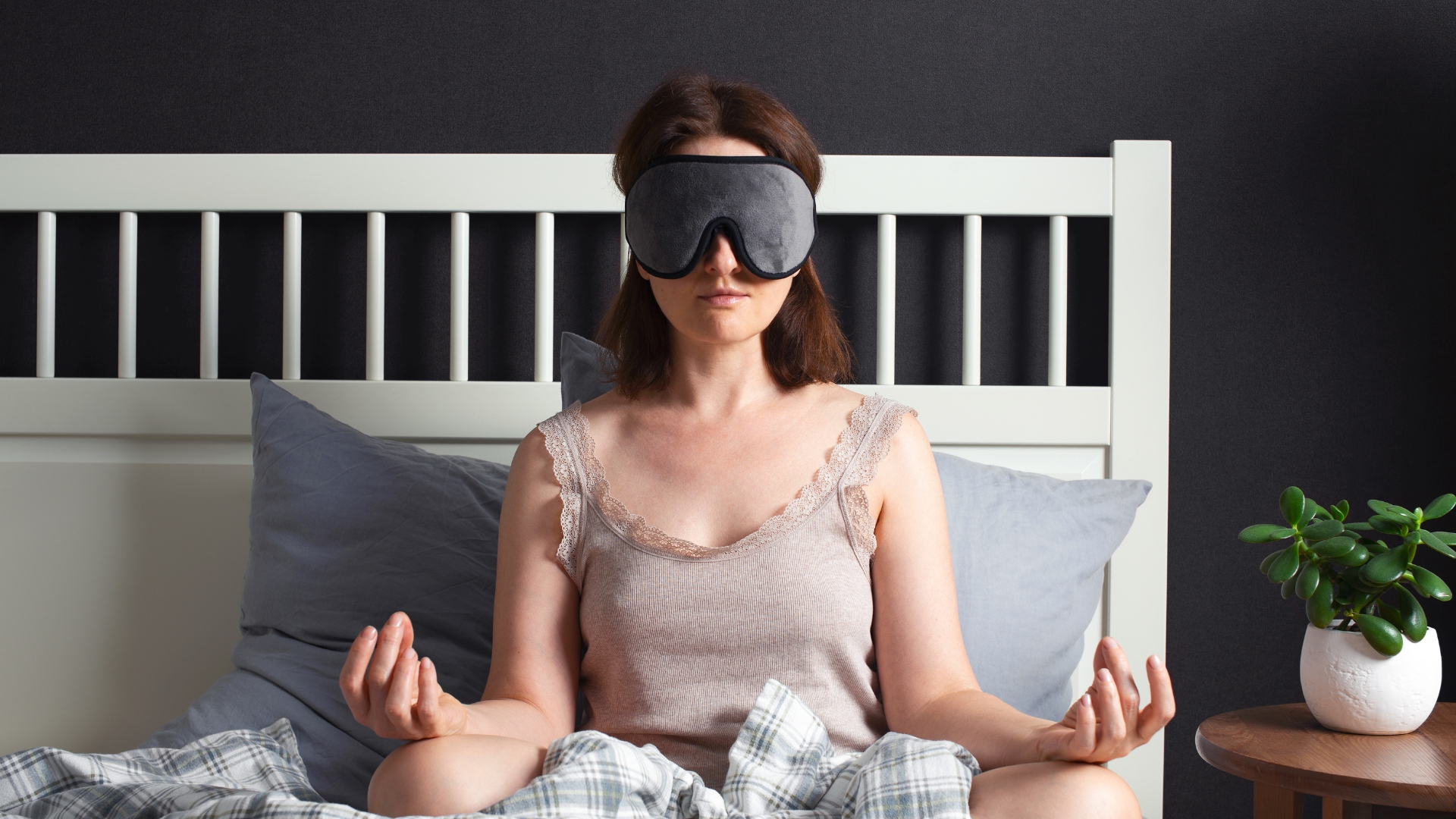
Evening workouts: If you prefer training later in the day, that’s fine too, just avoid very intense sessions right before bed. Instead, try a gentle stretch, yoga, or Pilates routine in the evening. These can calm your body and prepare you for rest.
The Role of Recovery
Here’s the important bit: sleep is when your body repairs itself. After exercise, your muscles need time to recover and rebuild, and deep sleep is where most of that magic happens.
Without enough quality rest, you may feel sluggish, less focused, and more prone to injury. That’s why combining exercise with healthy sleep habits is the ultimate recovery tool. Think of it as a partnership where movement sets the stage, and sleep does the healing.
Tips for Better Sleep and Recovery
H
ere are a few easy habits you can try:
Stick to a regular bedtime and wake-up schedule.
Move your body every day, even if it’s just a short walk.
Avoid heavy meals, caffeine, or alcohol close to bedtime.
Try gentle evening stretches to relax your body.
Make your bedroom a calm, screen-free space.
- Try our programme Yoga for Better Sleep
Final Thoughts
Exercise and sleep go hand in hand. The more consistently you move, the easier it becomes to rest, and the better your body recovers for the next day.
So, whether you’re lifting weights, doing Pilates, or heading out for a brisk walk, remember this: you’re not just working on your fitness. You’re also setting yourself up for a deeper, more refreshing night’s sleep.
The journey to a great night’s sleep starts from the moment you get up in the morning. Start the day the right way, and create a Healthy Morning Routine to Boost Energy