


When it comes to choosing the right fitness routine, one question comes up time and time again: low-impact vs high-impact workouts – which is best? And while it might sound like you have to pick one or the other, the truth is far more flexible.
High-impact workouts often steal the spotlight with their fast pace and calorie-torching benefits. But low-impact training, think Pilates, walking, and strength without jumping, can be just as effective, especially if your goals include long-term consistency, joint health, and overall mobility.
Whether you’re just getting started, recovering from injury, or simply want to move smarter (not harder), it’s worth exploring the pros and cons of both. In this blog, we’ll break down what each type of workout really means, when you should do them, and how to find the balance that works for your body and your goals.

What Are High-Impact Workouts?
High-impact workouts are those that involve both feet leaving the ground at the same time, like jumping jacks, running, burpees, or squat jumps. These types of exercises put more stress on your joints, but they also increase your heart rate quickly and help build bone density.
They’re great for:
Improving cardiovascular fitness
Burning calories quickly
Increasing power and agility
Strengthening bones and joints over time
However, they’re not for everyone. If you’re dealing with joint pain, recovering from injury, or just prefer a gentler approach, high impact may not be the most sustainable choice every day.
What Are Low-Impact Workouts?
Low impact doesn’t mean low intensity. These workouts are easier on your joints, but they can still deliver serious results. Examples include Pilates, walking, cycling, strength training without jumping, resistance band workouts, and swimming.
They’re ideal if you’re:
New to exercise
Managing an injury
Looking for a sustainable routine
Focused on mobility, strength, and flexibility
Working out regularly and want to avoid burnout
Low-impact training helps you stay consistent, and that’s one of the most important ingredients for long-term fitness success.
So, Which One Should You Choose?
Honestly? You don’t have to choose.
Both low and high-impact workouts have their place in a well-rounded routine. The key is understanding when and how to use them to your advantage.
If your goal is fat loss:
High-impact workouts can help burn more calories quickly. But combining them with low-impact strength sessions gives you the best of both worlds — cardio + muscle building.
If your goal is mobility and joint health:
Low impact is your friend. Programmes like Wake Up Workout or Wall Pilates are perfect for this.
If you’re recovering from injury:
Stick with low impact to allow your body to rebuild safely, and chat with your doctor or physio before progressing.
If you’re short on time but want intensity:
Try high-impact bursts — like Functional Fitness or 20-Minute HIIT — mixed with low-impact sessions on alternate days.
Find the Right Balance for You
A smart weekly plan might look like this:
Monday: Low-impact Pilates
Tuesday: High-impact cardio or HIIT
Wednesday: Strength training (low impact)
Thursday: Rest or gentle walk
Friday: Mixed cardio and resistance
Saturday: Yoga, mobility or stretch session
Sunday: Rest
This kind of rotation gives your joints time to recover while still keeping your fitness levels moving forward.
Try Both With InstructorLive
We’ve got plenty of low and high-impact workouts ready to go — all led by our expert instructors, and designed to suit every level.
Check out:
Mix and match them to suit your goals, mood, and energy each week. That’s the beauty of online workouts — you’re in control.
✨
Final Thoughts
There’s no single “best” type of workout — only what works best for you. Low-impact isn’t just for beginners, and high-impact doesn’t always mean better results. The real magic happens when you listen to your body, stay consistent, and build a routine that works around your life.
And remember: movement is movement. Whether you’re jumping, stepping, stretching or lifting, it all counts.
Let’s face it, weeknights can be chaos. Between work, family, life admin, and trying to squeeze in a workout, figuring out what’s for dinner often feels like the final straw. That’s exactly why we’re big fans of slow cooker meals. You throw everything in, get on with your day, and come back to a delicious, home-cooked dinner without the stress. But here’s the best part: slow cooker meals aren’t just easy… they can be really healthy too. So, if you’re looking for nutritious dinners that basically cook themselves while you get on with life, keep reading. These slow cooker ideas are simple, affordable, and packed with flavour. Let’s make healthy eating one less thing to worry about. Here are Healthy Slow Cooker Recipes for Easy Weeknight Dinners.

Why We Love Slow Cooker Meals
There’s something magical about walking into the kitchen and smelling dinner already done.
Slow cookers help you:
Save time ⏰
Save money (hello, batch cooking!)
Reduce stress ✅
Make healthier food choices
Plus, because they cook at low temperatures over a longer time, they’re perfect for preserving nutrients and tenderising lean meats and fibrous veggies — making everything taste amazing without needing loads of oil, salt or butter.
Healthy Slow Cooker Recipes to Try
Here are 4 easy, delicious, and healthy slow cooker ideas to add to your meal plan thi
s week.
1.
Slow Cooker Chicken & Sweet Potato Stew
A comforting one-pot wonder that’s high in protein, rich in beta-carotene, and super satisfying.
Ingredients:
2 chicken breasts (diced)
2 sweet potatoes (cubed)
1 onion, chopped
2 garlic cloves
1 can chopped tomatoes
1 tsp paprika, salt, pepper
1/2 tsp chilli flakes (optional)
Instructions:
A
dd everything to your slow cooker, stir, and cook on low for 6–7 hours or high for 3–4 hours. Done.
2.
Veggie-Packed Lentil Curry
Warming, high in fibre, and naturally plant-based. This is a real midweek winner.
Ingredients:
1 cup red lentils (rinsed)
1 tin coconut milk (light or full-fat)
1 tbsp curry powder
1/2 tsp turmeric
2 chopped carrots
1 courgette, chopped
1 onion, chopped
2 handfuls of spinach (add at the end)
Instructions:
Cook everything except spinach on low for 6 hours. Stir in spinach at the end. Serve with rice or naan.
3.
Slow Cooker Beef & Bean Chilli
A hearty, high-protein option with a spicy kick — perfect for meal prep.
Ingredients:
400g lean beef mince
1 can of kidney beans
1 can chopped tomatoes
1 onion, diced
1 red pepper, chopped
1 garlic clove, crushed
1 tbsp cumin & 1 tbsp smoked papri
ka
Instructions:
Brown the mince first if you can, then add everything to the slow cooker and let it go for 6–8 hours on low. Serve with brown rice or a jacket potato.
4.
Tomato, Basil & White Bean Soup
Light, fresh, and ideal for a speedy lunch or light dinner.
Ingredients:
2 cans chopped tomatoes
1 can cannellini beans
1 small onion, diced
2 garlic cloves
1 tsp dried basil or Italian herbs
Salt & pepper
Instructions:
Add to the slow cooker and cook on low for 4 hours. Blend if you like it smooth. Delicious with a slice of wholegrain toast
Slow Cooker Tips for Success
Don’t overfill it. Leave some room for steam to circulate.
Layer wisely. Hard veggies (like potatoes and carrots) go at the bottom. Softer ingredients or herbs go on top.
Add greens last. Spinach, peas or kale can go in at the end so they don’t turn mushy.
Final Thought
Whether you’re a busy parent, a shift worker, or just someone who wants to eat well without spending hours in the kitchen, slow cooker recipes are a game-changer.
They help you stay on track with your healthy habits, even when life is hectic.
So why not give one a try this week? Your future self (and your taste buds) will thank you.
Read our blog – Easy Swaps For Healthy Comfort Food
Listen to the latest episode of The InstructorLive Podcast – Creatine Explained
If you loved our original Functional Fitness program
me, you’re going to want to get stuck into this next chapter. Functional Fitness Resistance is the second instalment in Ashley Rumble’s high-energy series, and this time, we’re turning up the intensity. With the smart addition of dumbbells and resistance bands, these workouts are all about levelling up your strength, stability, and endurance. The format stays the same with short, effective, and no-nonsense workouts, but now with a powerful edge. Whether you’re aiming to build muscle, improve everyday movement, or just feel fitter in your own skin, this new programme gives you the tools to do it. And what’s best is, you can do it all from the comfort of your home.
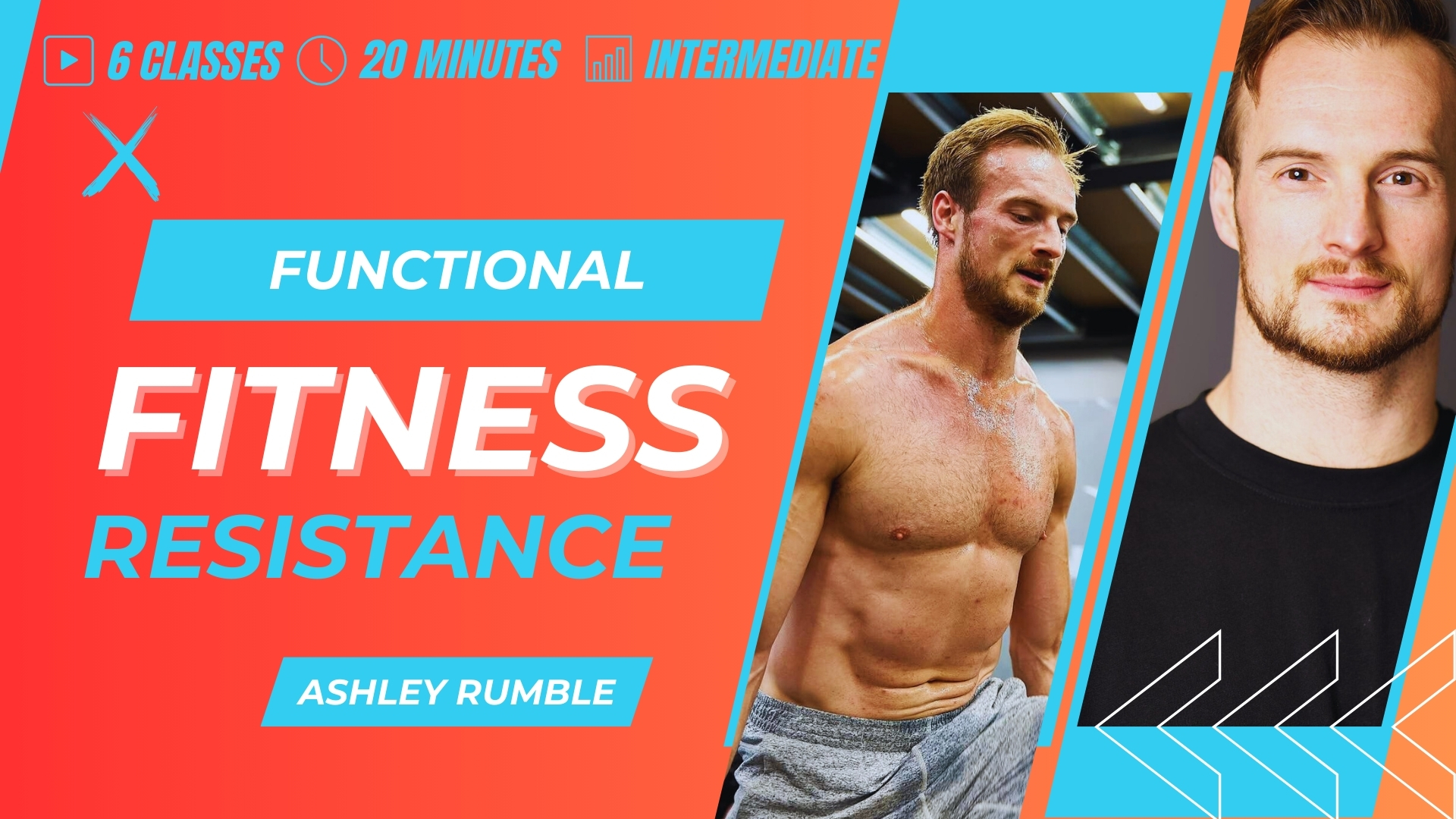
What Is Functional Fitness Resistance?
This series is all about building real-life strength using functional training techniques, but now with added resistance. That means more focus on compound movements (think squats, lunges, presses) that work multiple muscle groups at once, helping you get stronger, more stable, and better prepared for whatever life throws at you.
We’re taking the same tried-and-tested structure from Series 1 and adding resistance to increase the challenge. It’s a smart way to progress, especially if you’re looking to:
✅ Boost strength
✅ Improve movement quality
✅ Enhance posture & balance
✅ Reduce your injury risk
✅ Feel more energised and confident day to day
What To Expect from the Programme
6 workouts designed for intermediate to advanced fitness levels
Each class is 15–25 minutes
Uses dumbbells (e.g. 3kg–5kg) and resistance bands
Includes strength, mobility, and full-body conditioning
Led by Ashley Rumble – high energy, expert guidance, no fluff
Every session is programmed to progressively challenge your body while still being accessible for at-home training.
Meet the Trainer: Ashley Rumble
If you’ve already joined us for the first series, you’ll know Ashley brings motivation, clear instruction, and a down-to-earth energy that makes you want to keep showing up. With a background in functional fitness and movement coaching, he’s passionate about helping people move better, feel stronger, and train with purpose — not just aesthetics.
“Functional fitness helps you perform better in the real world — and resistance training takes that to the next level. It’s about building a body that works for your life.” – Ashley
Try It First: Free Class on YouTube
Want to get a feel for the programme before diving in?
Check out our free class on YouTube to get a taste of the resistance-based functional training style. It’s fast-paced, beginner-friendly (with plenty of challenge!), and a great way to see how it fits into your fitness routine.
Final Thought
Functional Fitness Resistance isn’t just another workout plan; it’s a real prog
ression. You’ve built the base, now it’s time to level up with resistance.
Get ready to challenge yourself, move better, and feel stronger, both in your workouts and your everyday life.
Read all about Ashley’s f
irst progr
amme for InstructorLive here: Functional Fitness
When the weather turns chilly or I’ve had one of those weeks, I’ll be honest, I find myself reaching for the kind of food that feels like a hug in a bowl. You know the type: chips straight out of the oven, creamy pasta that could feed a small army, or a pizza that magically disappears in one sitting (I blame the cheese).
The problem is, as good as these meals taste in the moment, they usually leave me feeling sluggish, heavy, and ready for a nap instead of a workout. And while there’s nothing wrong with the occasional indulgence, trust me, I’m no saint, I’ve learned that with a few clever tweaks, I can have my comfort food and still feel energised afterwards.
So this week, I thought I’d share some of my favourite easy swaps for healthy comfort food. They’re simple, satisfying, and prove that comfort doesn’t have to mean compromise.

1. Swap Chips for Sweet Potato Wedges
As much
as I love a bowl of chips, it’s usually followed by the inevitable “why did I eat all of those?” moment. Enter: sweet potato wedges. They’re just as crispy, way more colourful, and packed with fibre and vitamin A. Slice them thick, drizzle with olive oil, season generously, and roast until golden. Suddenly, “chips night” feels a lot less guilty.
2. Swap Creamy Pasta for Veggie-Packed Pasta
We’ve all been there: you sit down with a giant bowl of creamy pasta and suddenly feel like you need a lie down afterwards. My go-to hack is blending cooked cauliflower with garlic, a little parmesan, and a splash of milk. The result? A velvety sauce that tricks your taste buds into thinking it’s indulgent, but your body won’t crash afterwards. Add mushrooms, spinach, or courgette ribbons for extra texture (and extra smugness).
3. Swap Pizza Takeaway for Homemade Pita Pizzas
As much as I adore a Friday night takeaway, the salt content alone could rival the Dead Sea. The fix? Wholemeal pita breads. Spread on tomato purée, load up with veggies, a bit of lean protein, and a sprinkle of cheese. Ten minutes in the oven and boom — a pizza that hits the spot without the post-takeaway slump. Bonus: no waiting for delivery.
4. Swap Ice Cream
for Frozen Yogurt Bark
When that sweet craving hits, ice cream is
hard to resist. But frozen yoghurt bark is a lifesaver. Spread natural yoghurt on a tray, add toppings like berries, seeds, or a drizzle of honey, then freeze. Snap into shards and you’ve got a crunchy, refreshing alternative that feels like a treat but keeps things light. (Plus, it looks fancy if you want to pretend you made it for guests.)
5. Swap Crisps for Air-Popped Popcorn
Crisps are dangerously moreish! I swear the bottom of the bag sneaks up on me every time. Air-popped popcorn is the smarter option. It’s naturally low in calories and can be seasoned with herbs, spices, or even a dash of smoked paprika. You get the same satisfying crunch without the “oops, I’ve just eaten three family bags” guilt.
Final Thought
Comfort food is all about warmth, flavour, and that little bit of joy we all need sometimes. The trick isn’t cutting it out, it’s swapping it smartly. With tweaks like these, you can enjoy your favourites, feel good afterwards, and still have the energy to smash your next workout.
So next time you’re eyeing up the takeaway menu, try one of these swaps instead. You’ll still get that cosy, satisfied feeling, minus the food coma.
Want more healthy recipes and fitness tips? Explore our full library at InstructorLive.com.
Check out this chat with nutritionist Maxinne Palmer on Emotional Eating
We’re back with Episode 7 of The InstructorLive Podcast, and this week, we’re diving into a supplement that has been talked about for years in the fitness world. creatine.
Maybe you’ve seen it on the shelves of your local gym shop, or perhaps you’ve heard friends talking about it, but you’re still unsure about what it actually does. Well, you’re not alone! Creatine is one of the most researched supplements out there, yet it’s still surrounded by confusion and myths.
In this episode, I break down exactly what creatine is, how it works in your body, and whether or not you should consider adding it to your training plan.
Whether you’re looking to boost strength, improve recovery, or understand if supplements have a place in your routine, this episode gives you clear, practical answers.
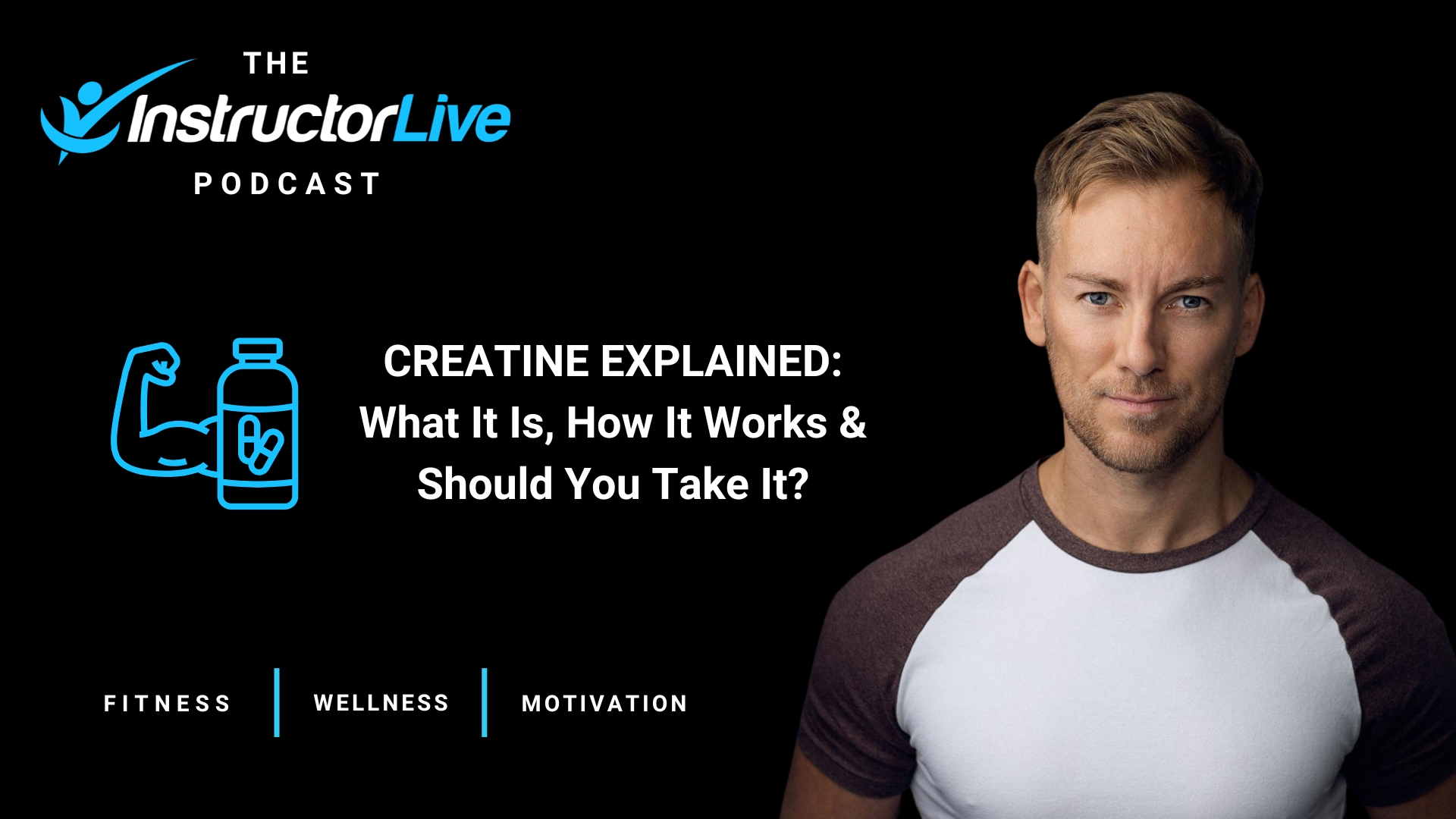
Listen to Episode 7 now:
What You’ll Learn in This Episode:
✅ What creatine actually is and how it works in your muscles
✅ Why creatine helps increase strength, power, and recovery
✅ Who should consider taking it — and who might not need it
✅ The best way to take creatine (with or without a loading phase)
✅ Common myths and concerns, explained clearly
Try Workouts to Pair with This Episode
Creatine works best alongside consistent training, so if you want to put what you’ve learned into action, try some of our free classes on YouTube:
▶️ Functional Fitness (Beginner Session)
And if you’re ready for structured programmes at home, check out:
Final Thought
Creatine isn’t a magic pill, but it is one of the most effective, well-researched, and affordable supplements available today. If your training includes high-intensity or strength-based work, it could give you that extra edge.
The key, as always, is consistency. Supplements can support your progress, but they’ll never replace good nutrition, proper recovery, and regular training.
So, if you’ve been curious about creatine, I hope this episode clears things up and helps you decide if it’s right for you.
Got feedback or ideas for future episodes? Email me directly at austin@instructorlive.com — I’d love to hear from you.
Let’s be honest, eating healthy can feel ridiculously expensive these days. I often find myself wandering around the supermarket, practically gasping at the prices, and then half-squinting with one eye open as I tap my card at the checkout. Between rising food costs and the constant temptation of quick, cheap convenience meals, it’s no wonder so many of us feel like healthy eating is out of reach unless we’ve got a huge budget. But here’s the good news: with a little planning, some smart swaps, and a few creative tricks, you can absolutely fuel your body, eat well, and still keep your shopping bill under control. So, if you want to save money without sacrificing your health, here are 5 Brilliant Tips for Eating Healthy on a Budget!

1. Plan Ahead
It may sound simple, but meal planning is one of the easiest ways to cut costs. When you know exactly what you’re cooking for the week, you can shop with purpose and avoid tossing random items into your trolley. Plus, planning reduces food waste, so no more forgotten veggies going mouldy at the back of the fridge. Start by picking three or four go-to meals for the week and build your shopping list around them.
2. Buy in Bulk
Big bags of oats, rice, pasta, beans, or frozen fruit often cost far less per serving than smaller packs. The trick here is to buy what you’ll actually use. Bulk shopping works brilliantly for staple foods you eat often, but not so much for things that will expire before you finish them. Frozen produce is especially cost-effective because it lasts longer and still retains its nutrients.
3. Embrace Cheaper Protein Sources
Protein powders and lean cuts of meat can be pricey, but there are plenty of budget-friendly alternatives. Eggs, tinned tuna, beans, lentils, chickpeas, and even frozen chicken breasts give you the protein you need without draining your wallet. If you’re plant-based, tofu and edamame are great value when bought in larger packs. Rotate your protein sources to keep things interesting and affordable.
4. Cook Once, Eat Twice
Batch cooking is a real game-changer when it comes to eating healthy on a budget. Make a big pot of chilli, curry, or soup, and you’ve got lunch or dinner sorted for several days. Not only does this save time, but it also stops you from ordering an expensive takeaway when you’re tired and hungry. Store leftovers in portion-sized containers so they’re ready to grab and go.
5. Shop Seasonal and Local
Fruit and veg can be surprisingly cheap if you buy what’s in season. Strawberries in summer, root veg in winter; eating seasonally is not only easier on your wallet but also better for flavour and freshness. Local markets or smaller greengrocers often sell produce at a lower cost than supermarkets, so it’s worth exploring.
Final Thought
Eating healthy on a budget doesn’t mean living on plain rice cakes and sadness. With a little bit of planning, some bulk-buy staples, and a few swaps here and there, you can fuel your body with nutritious meals and still save money. Remember, it’s not about being perfect, it’s about making small, consistent choices that work for your lifestyle and your wallet.
Need some inspiration for this week’s shopping? Here are 5 easy & healthy meals for families
Learn more about how nutrition fuels your workouts in this episode of The InstructorLive Podcast
We’ve all had those nights where no matter how much we toss and turn, sleep just doesn’t come easily. And then there are those lovely evenings where our head hits the pillow and, before we know it, the alarm is ringing. If you’re anything like me, poor sleep can get in your head. You start worrying about not sleeping, which ironically becomes the very thing that keeps you awake. Maybe you’ve even looked into over-the-
counter remedies, but what if I told you one of the biggest factors that can tip the balance between restless nights and dee
p rest is much simpler? Exercise. The connection between movement and sleep is stronger than you might think. The way you move during the day has a direct impact on how well your body and mind can rest at night. Let’s break down how exercise affects your sleep, and share a few simple tips to help you get t
he best recovery possible.
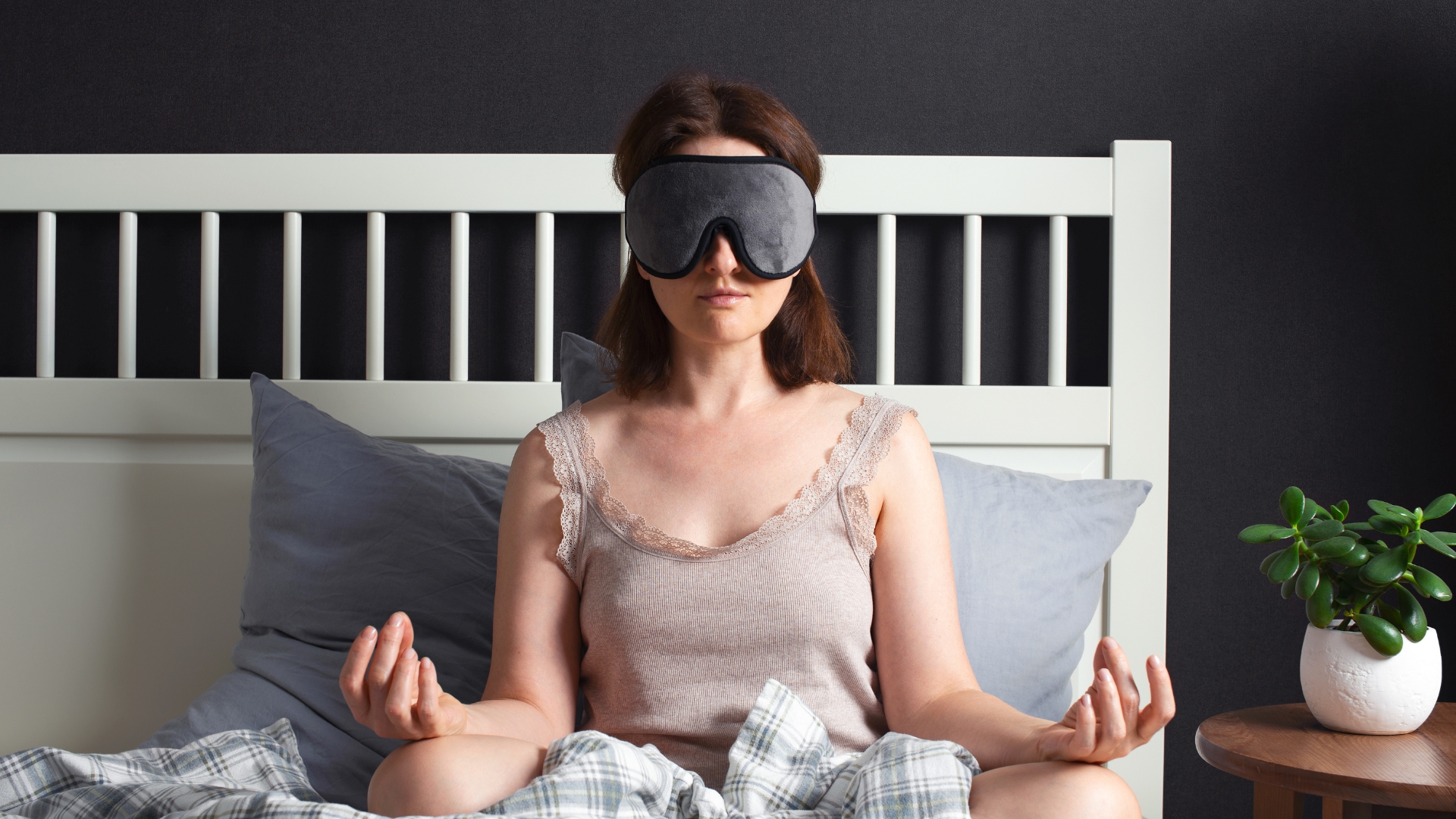
Why Exercise Helps You Sleep Better
Exercise isn’t just about fitness goals; it’s also a regulator for your body’s internal clock, known as the circadian rhythm.
When you move, your body temperature rises, your heart rate increases, and your muscles work harder. Later in the day, when your body naturally cools down, these changes signal to your brain that it’s time to wind down.
On top of that, regular exercise reduces stress and anxiety, both of which are common sleep disruptors. That post-workout “feel-good” boost of endorphins doesn’t just lift your mood; it also makes it easier to drift off once bedtime rolls around.
Timing Matters
While exercise is great for sleep, when you work out can make a difference.
Morning or afternoon workouts: These are usually the best for supporting healthy sleep. They give your body plenty of time to cool down and your nervous system time to relax before bedtime.
Evening workouts: If you prefer training later in the day, that’s fine too, just avoid very intense sessions right before bed. Instead, try a gentle stretch, yoga, or Pilates routine in the evening. These can calm your body and prepare you for rest.
The Role of Recovery
Here’s the important bit: sleep is when your body repairs itself. After exercise, your muscles need time to recover and rebuild, and deep sleep is where most of that magic happens.
Without enough quality rest, you may feel sluggish, less focused, and more prone to injury. That’s why combining exercise with healthy sleep habits is the ultimate recovery tool. Think of it as a partnership where movement sets the stage, and sleep does the healing.
Tips for Better Sleep and Recovery
H
ere are a few easy habits you can try:
Stick to a regular bedtime and wake-up schedule.
Move your body every day, even if it’s just a short walk.
Avoid heavy meals, caffeine, or alcohol close to bedtime.
Try gentle evening stretches to relax your body.
Make your bedroom a calm, screen-free space.
- Try our programme Yoga for Better Sleep
Final Thoughts
Exercise and sleep go hand in hand. The more consistently you move, the easier it becomes to rest, and the better your body recovers for the next day.
So, whether you’re lifting weights, doing Pilates, or heading out for a brisk walk, remember this: you’re not just working on your fitness. You’re also setting yourself up for a deeper, more refreshing night’s sleep.
The journey to a great night’s sleep starts from the moment you get up in the morning. Start the day the right way, and create a Healthy Morning Routine to Boost Energy
