Why Recovery Matters After Exercise
We often spend a lot of time thinking about the exercise itself. Which workout should we do? How often should we train? Are we doing enough? But have you asked why recovery matters after exercise?
Recovery after exercise is an important part of improving your fitness, yet it’s something that can easily get overlooked. We tend to focus on the work we’re putting in, rather than giving our bodies the opportunity to adapt to it.
And while getting enough exercise is important, doing more isn’t always the answer.
Whether you’re starting a new fitness routine, building strength or simply trying to stay active as you get older, understanding recovery can help you get more from your workouts.
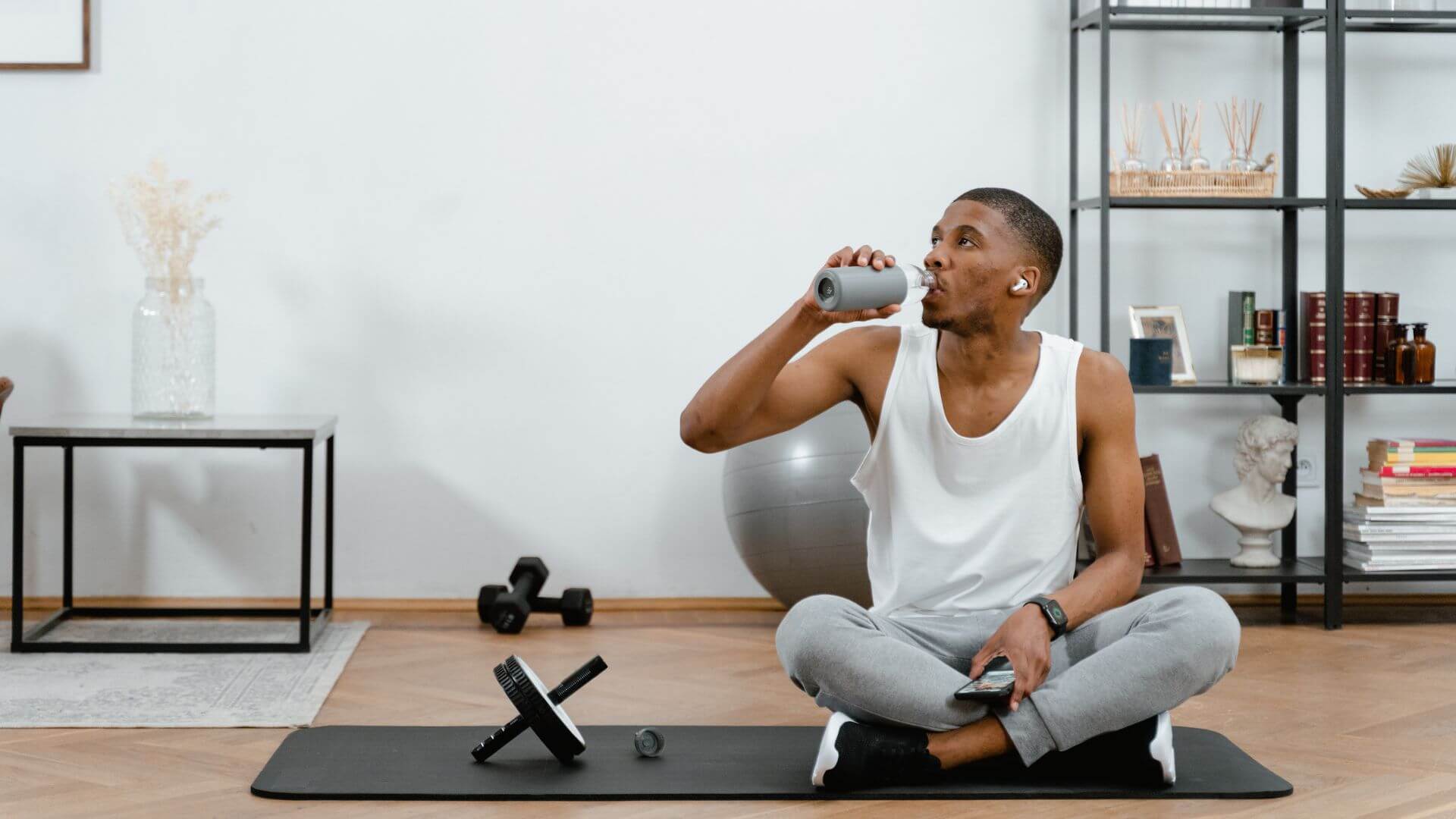
What Actually Happens During Recovery?
When you exercise, you place demands on your muscles, cardiovascular system and other parts of your body.
Strength training, for example, challenges your muscles in ways that encourage them to adapt and become stronger over time.
However, those adaptations don’t happen simply because you’ve completed a workout. Your body also needs time, energy and appropriate nutrition to respond to the exercise.
Recovery is part of that process.
This doesn’t mean you need several days off after every session, but it does mean balancing exercise with adequate rest.
1. Rest Days Aren’t Wasted Days
It’s easy to feel that taking a day off means losing momentum, particularly when you’ve worked hard to establish a routine.
But rest days can be just as important as training days.
After a challenging strength workout, your muscles may benefit from time to recover before you train them hard again.
That doesn’t necessarily mean sitting on the sofa all day. You might still enjoy a walk, some gentle stretching or other light activity.
The important thing is recognising that recovery is part of your routine, not a break from it.
2. You Don’t Have to Stop Moving
Recovery doesn’t always mean complete rest.
In fact, gentle movement can sometimes help you feel more comfortable after a demanding workout.
Walking, easy cycling or relaxed mobility exercises can be useful ways to stay active without placing the same demands on your body as a more intense session.
This is often referred to as active recovery.
The key is keeping the intensity genuinely comfortable. If your recovery workout leaves you feeling exhausted, it’s probably not serving its intended purpose.
3. Sleep Plays an Important Role
Sleep is one of the most important parts of recovery, yet it’s easy to underestimate.
During sleep, your body carries out processes involved in tissue repair, hormone regulation and general physical recovery.
Poor sleep can also affect your energy, concentration and motivation, making exercise feel more difficult the following day.
Most adults should aim for around seven to nine hours of sleep each night, although individual needs vary.
If you’re regularly struggling with sleep, improving your evening routine and keeping a consistent sleep schedule may help.
4. Give Your Body the Fuel It Needs
Exercise and nutrition go hand in hand.
Protein supports the maintenance and repair of muscle tissue, while carbohydrates help replenish the energy your body uses during physical activity.
Staying hydrated is important too, particularly after workouts that leave you sweating.
You don’t necessarily need expensive supplements or special recovery drinks.
For most people doing regular home workouts, a balanced diet with adequate protein, carbohydrates, fruit, vegetables and fluids can provide what the body needs.
5. Learn the Difference Between Effort and Overdoing It
A little muscle soreness after trying something new can be normal.
However, there’s a difference between feeling that your muscles have worked and experiencing pain that suggests something isn’t right.
Persistent soreness, unusual fatigue, declining performance or discomfort that affects everyday activities may indicate that you need to reduce your training load or allow more recovery time.
Sharp pain, significant swelling or symptoms that don’t improve shouldn’t simply be pushed through.
Learning to recognise how your body responds to exercise is an important part of building a sustainable routine.
6. Recovery May Change as You Get Older
As we age, changes in muscle mass, sleep patterns and overall health can influence how we respond to exercise.
Some people may find they need more time between demanding workouts, particularly when starting a new routine.
However, getting older doesn’t mean you should avoid challenging exercise.
Strength training and cardiovascular activity remain important throughout life. The aim is to find the right balance between challenging your body and giving it time to recover.
That balance will look different for everyone.
Try a Gentler Workout
If you’re looking for something to do between more demanding sessions, InstructorLive has several programmes that can complement your regular training.
The Ultimate Stretch with Jade offers stretching and mobility-focused sessions that can be a useful addition to your routine.
Alternatively, Reset Renew Yoga with Beth Pe Win combines yoga movements, breathing and body awareness, making it another option for days when you’d prefer a slower-paced session.
Remember, though, that recovery doesn’t have to involve another workout. Sometimes taking a complete rest day is exactly what you need.
Explore InstructorLive programmes
Progress Isn’t Just About Doing More
It’s natural to focus on how many workouts you’ve completed or how much harder you’re exercising.
But progress also depends on how well you’re able to recover and return to your next session.
A good fitness routine should challenge you, but it should also leave enough room for rest, sleep, nutrition and everyday life.
So the next time you’re planning your workouts for the week, don’t just think about when you’re going to exercise.
Think about when you’re going to recover, too.
Because taking care of your body between workouts is part of what helps you keep moving for years to come.